Showing posts with label mental health. Show all posts

Reflection and Connection: Surviving Residency and the Start of Personal and Professional Development Groups (Addison, 1/29/25)

See a recording of this session HERE

Many thanks to Dr. Ritch Addison, long time behavioral health faculty and foundation layer for our Personal and Professional Development (P&PD) Groups that still run every Thursday at Santa Rosa Family Medicine Residency. 

He spent his time with us on Wednesday morning reflecting on the experience of residency training: the constant pressure, the feeling of never enough time, too much to do with the time, dying patients, asking for help vs. not asking for help, learning the ropes and the conflict and contradiction of ideals/values and visions with every day practices. 


I cannot do his 40+ years of wisdom justice with a summary here (just watch the recording), but I do want to highlight and remind us of his model for Surviving Residency:

1) Covering over> the focus on mastering the procedures of medicine, which requires putting on blinders so that you can do what you have to do to get through your day/rotation/year/training.

2) Over reflecting>> too many reflections, filled with painful self-doubt, feelings of imposter syndrome, Did I make the right choice?

And, as Ritch stressed, neither state is stable. In fact, it's the jarring motion between the two modes that is what is so challenging in residency. "You need time to unload one experience and load the next, and you just don't have time". 


The answer? Ritch says, is connection. A place where you can do just this -- unload the conflictual and unconscious feelings, take a step outside those jarring moments>> P&PD. 

Integrative Approach to Anxiety and Depression (Brown, 10/30/2024)

A recording of this presentation is available HERE.

Many thanks to Dr. Andrew Brown, who gave an excellent Grand Rounds presentation this week on Integrative Approach to Anxiety and Depression. Anyone in primary care knows that we do a lot of management of psychiatric disorders in the primary care setting, often with very little specialty support. Many patients are interested in pursuing not just standard medical therapy (SSRI + cognitive behavioral therapy), but also integrative modalities.

Dr. Brown laid out the evidence for a wide range of non-pharmaceutical and non-psychotherapy treatments for anxiety and depression. The bottom line is that there are many, many, many integrative options with a range of small to moderate to strong evidence for the management of anxiety/depression. Put your seatbelts on. And don't use too many at once!

Integrative modalities, for the purpose of this talk include 

  • lifestyle/behavioral 
  • nutrition 
  • supplements and 
  • physical practices

Lifestyle/behavioral

Exercise works! The USPSTF recommends 2.5 hours/week of aerobic exercise for overall improved health. And good news, exercise can improved depression!  Some exercise modalities may be better than others, including: include walking/jogging/yoga/strength training. The more "intense" the better. However, in a 2023 review article, ANY regular exercise, regardless of type, setting, or supervision decreased depression scores by 5-7 points. 

There is not much evidence for exercise in anxiety, with a different review paper finding a benefit of exercise for anxiety in 7 of 25 studies and no benefit in the remaining 18.

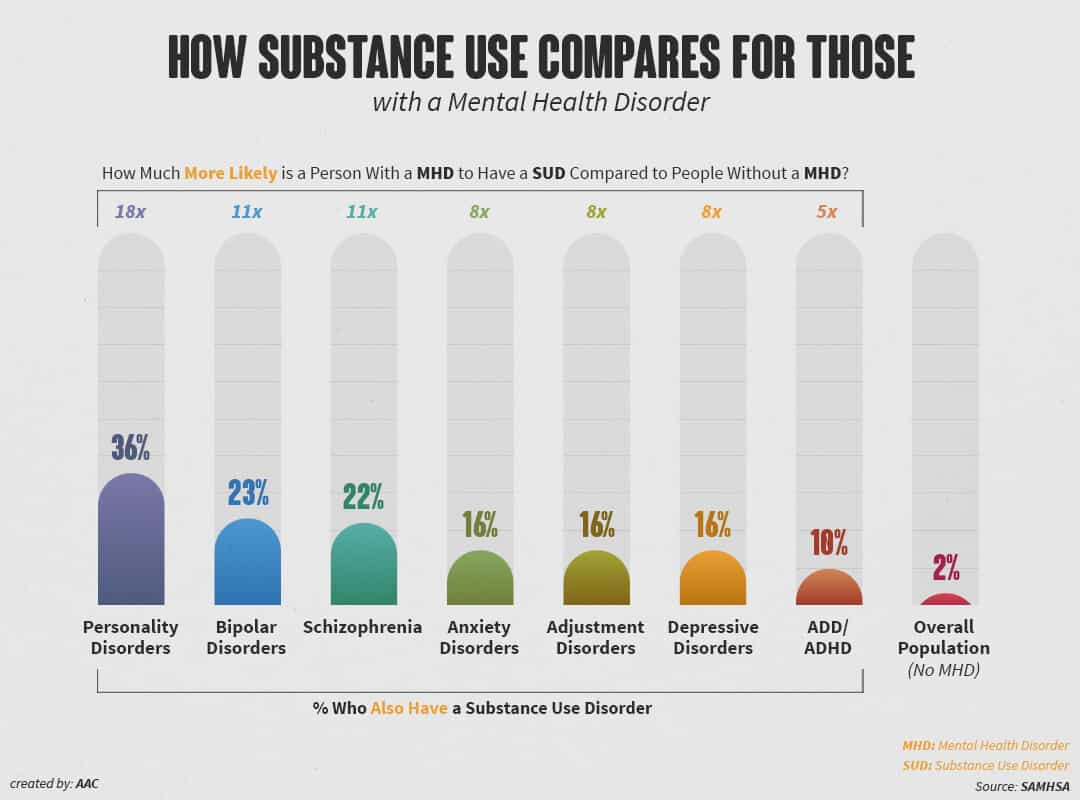
It should come as no surprise that substance use and substance use disorders are frequent comorbidities with anxiety and depression. Note in the chart below:

  • 16% of people with anxiety disorder also have SUD
  • 16% of people with an adjustment disorder also have SUD
  • 16% of people with depression also have SUD
Nicotine and tobacco, alcohol, and yes, even marijuana>>worsen anxiety

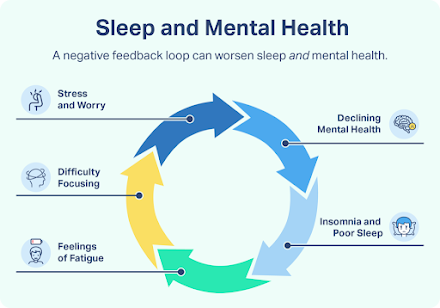
Sleep and anxiety/depression, as we know, have a bidirectional relationship. Treating the underlying cause of sleep helps (e.g. sleep disordered breathing). If you target insomnia, you improve mental health.

Social support helps too. Social support and connectedness -- perhaps even via online platforms-- helps depression and anxiety, even in people with a diagnosed social anxiety disorder!

Time spent in the natural world, including activities like "forest bathing", nature-based treatment, gardening, wilderness time, outdoor adventuring all have a positive effect on mood and anxiety. Many of the studies looking at time in nature are Korean studies, and plenty show positive effect, which is durable (at least up to 12 weeks after the outdoor time). One study even found that LOOKING at images of nature had a positive impact on mood. 

Nutrition 

Eating a healthy diet improves depression and anxiety! And there are plenty of different healthy diets that have been shown to improve mood in a 2021 Systematic Review: a diet high in fruits/veggies, a diet with less calories, a diet high in omega-3 fatty acids, probiotics, a diet rich in dietary minerals, and a ketogenic diet. Even eating breakfast works!


What doesn't work? An unhealthy diet: insufficient protein, high fat, lots of carbs/sugars, and a diet low in tryptophan (which is found in protein-rich foods, not just turkey).

Supplements

Many many botanicals are used to treat symptoms of depression anxiety. Four that Dr. Brown highlighted with moderate/strong evidence for positive effect are:
  • Kava Kava (Piper methysticum): 50-70mg TID, mixed evidence, some concern for hepatoxicity
  • St. John's Wort (Hypericum perforatum): strong evidence in depression, 500-1800mg/day. A 2017 Meta-analysis found it to be equivalent to SSRIs (of note, not safe to take at same time as SSRIs)
  • Saffron (Crocus sativus): 30-200mg/day, strong evidence for depression and anxiety, $$ cost can be an issue, also concerns regarding first trimester SAB in early pregnancy
  • Lavender (Lavandula angustifolia): "a few drops", moderate evidence, compared to lorazepam in a trial of preoperative patients was found to be "equivalent". SE: gynecomastia

Probiotics: studies show a small but consistent positive effect in depression/anxiety (not enough to be used as monotherapy, but consider for adjunct)

Vitamin Supplements
Dr. Brown highlighted five vitamins with some efficacy in depression/anxiety:
  • Vitamin D: stronger evidence in depression (than anxiety)
  • B Complex, found in dark/green/leafy veggies, may be good adjunct
  • Zinc: dose response benefit in depression and anxiety
  • Magnesium: strong evidence as either monotherapy OR adjunct, depression more than anxiety, change of 4 points on GAD7 or PHQ9, so may be good choice for mild-mod depression/anxiety
Physical Practices

Dr. Brown finished up his presentation talking about a range of physical practices that, again, have some evidence for treatment of depression and/or anxiety, specifically:
  • Acupuncture: 2024 Meta-analysis found that acupuncture was BETTER than SSRIs for depression, particularly if electro-acupuncture techniques are used. Most studies indicate that a combination of SSRI and acupuncture decreases rates of remission. There is less evidence for acupuncture in anxiety.
  • Acupressure: no evidence for durable benefit, but may be good for episodic symptoms (and can be self-done)
  • Progressive Muscle Relaxation: strong evidence in pre-procedural anxiety and symptoms report for patients. There are a wide range of muscle relaxation techniques, many can be taught in just a few minutes in the office setting
  • Breathwork: Once again, there are many different breath practices. Two easy ones to teach in the office are: Box, 4-7-8 (see images below). Both have been shown to help with symptom management


Finally, do Apps work? Apps tend to be cheap and easy for patients to get, particularly in a low resource. According to Dr. Brown. There have been 50+ studies, including an RCT, looking at apps for physical practice changers, and they have shown a significant but small/moderate effect on depression/anxiety. So consider apps an option too!


References:
  • de Noronha, S.I.S.R., de Moraes, L.A.G., Hassell, J.E. et al. High-fat diet, microbiome-gut-brain axis signaling, and anxiety-like behavior in male rats. Biol Res 57, 23 (2024). https://doi.org/10.1186/s40659-024-00505-1

  • Fatemi, F., Siassi, F., Qorbani, M. et al. Higher dietary fat quality is associated with lower anxiety score in women: a cross-sectional study. Ann Gen Psychiatry 19, 14 (2020). https://doi.org/10.1186/s12991-020-00264-9

  • Mohit Kumar, Babita Bhatt, Chitralekha Gusain, Nayan Mahajan, Mahendra Bishnoi, Sex-specific effects of ketogenic diet on anxiety-like behavior and neuroimmune response in C57Bl/6J mice, The Journal of Nutritional Biochemistry, Volume 127 (2024). https://doi.org/10.1016/j.jnutbio.2024.109591.

  • Haduch, A.; Bromek, E.; Kuban, W.; Daniel, W.A. The Engagement of Cytochrome P450 Enzymes in Tryptophan Metabolism. Metabolites 2023, 13, 629. https://doi.org/10.3390/metabo13050629

  • Gregory L. Stonerock, Rahul P. Gupta, James A. Blumenthal, Is exercise a viable therapy for anxiety? Systematic review of recent literature and critical analysis, Progress in Cardiovascular Diseases, Volume 83, 2024, Pages 97-115, https://doi.org/10.1016/j.pcad.2023.05.006.

  • Noetel M, Sanders T, Gallardo-Gómez D, Taylor P, del Pozo Cruz B, van den Hoek D et al. Effect of exercise for depression: systematic review and network meta-analysis of randomised controlled trials BMJ 2024; 384 :e075847 https://doi:10.1136/bmj-2023-075847

  • Kedzior, K.K., Laeber, L.T. A positive association between anxiety disorders and cannabis use or cannabis use disorders in the general population- a meta-analysis of 31 studies. BMC Psychiatry 14, 136 (2014). https://doi.org/10.1186/1471-244X-14-136

  • Berglund, M. and Ojehagen, A. (1998), The Influence of Alcohol Drinking and Alcohol Use Disorders on Psychiatric Disorders and Suicidal Behavior. Alcoholism: Clinical and Experimental Research, 22: 333s-345s. https://doi.org/10.1111/j.1530-0277.1998.tb04388.x

  • Lev-Ran S, Roerecke M, Le Foll B, George TP, McKenzie K, Rehm J. The association between cannabis use and depression: a systematic review and meta-analysis of longitudinal studies. Psychological Medicine. 2014;44(4):797-810. doi:10.1017/S0033291713001438

  • https://www.columbiapsychiatry.org/news/recreational-cannabis-use-among-u-s-adolescents-poses-risk-adverse-mental-health-and-life-outcomes

  • Pinto JV, Crippa JAS, Ceresér KM, Vianna-Sulzbach MF, Silveira Júnior ÉM, Santana da Rosa G, Testa da Silva MG, Hizo GH, Simão Medeiros L, Santana de Oliveira CE, Bristot G, Campos

  • AC, Guimarães FS, Hallak JEC, Zuardi AW, Yatham LN, Kapczinski F, Kauer-Sant'Anna M. Cannabidiol as an Adjunctive Treatment for Acute Bipolar Depression: A Pilot Study: Le cannabidiol comme traitement d'appoint de la dépression bipolaire aiguë : une étude pilote. Can J Psychiatry. 2024 Apr;69(4):242-251. doi: 10.1177/07067437231209650. Epub 2023 Nov 3. PMID: 37920963; PMCID: PMC10924581.

  • Gebara MA, Siripong N, DiNapoli EA, Maree RD, Germain A, Reynolds CF, Kasckow JW, Weiss PM, Karp JF. Effect of insomnia treatments on depression: A systematic review and meta-analysis. Depress Anxiety. 2018 Aug;35(8):717-731. doi: 10.1002/da.22776. Epub 2018 May 21. PMID: 29782076.

  • Fava M, Schaefer K, Huang H, Wilson A, Iosifescu DV, Mischoulon D, Wessel TC. A post hoc analysis of the effect of nightly administration of eszopiclone and a selective serotonin reuptake inhibitor in patients with insomnia and anxious depression. J Clin Psychiatry. 2011 Apr;72(4):473-9. doi: 10.4088/JCP.09m05131gry. Epub 2010 Nov 2. PMID: 21208574.

  • Nagy E, Moore S. Social interventions: An effective approach to reduce adult depression? J Affect Disord. 2017 Aug 15;218:131-152. doi: 10.1016/j.jad.2017.04.043. Epub 2017 Apr 24. PMID: 28472703.

  • Cruwys T, Alexander Haslam S, Dingle GA, Jetten J, Hornsey MJ, Desdemona Chong EM, Oei TP. Feeling connected again: interventions that increase social identification reduce depression symptoms in community and clinical settings. J Affect Disord. 2014 Apr;159:139-46. doi: 10.1016/j.jad.2014.02.019. Epub 2014 Feb 18. PMID: 24679402.

  • Beauchamp AM, Lehmann CU, Medford RJ, Hughes AE. The Association of a Geographically Wide Social Media Network on Depression: County-Level Ecological Analysis. J Med Internet Res. 2023 Mar 27;25:e43623. doi: 10.2196/43623. Erratum in: J Med Internet Res. 2023 Apr 11;25:e47896. doi: 10.2196/47896. PMID: 36972109; PMCID: PMC10131939.

  • Primack BA, Bisbey MA, Shensa A, Bowman ND, Karim SA, Knight JM, Sidani JE. The association between valence of social media experiences and depressive symptoms. Depress Anxiety. 2018 Aug;35(8):784-794. doi: 10.1002/da.22779. Epub 2018 Jun 6. PMID: 29877002.

  • Mizumoto T, Ikei H, Hagiwara K, Matsubara T, Higuchi F, Kobayashi M, Yamashina T, Sasaki J, Yamada N, Higuchi N, Haraga K, Kirihara F, Okabe E, Asai K, Hirotsu M, Chen C, Miyazaki Y, Nakagawa S. Mood and physiological effects of visual stimulation with images of the natural environment in individuals with depressive and anxiety disorders. J Affect Disord. 2024 Jul 1;356:257-266. doi: 10.1016/j.jad.2024.04.025. Epub 2024 Apr 7. PMID: 38588725.

  • Yeon PS, Jeon JY, Jung MS, Min GM, Kim GY, Han KM, Shin MJ, Jo SH, Kim JG, Shin WS. Effect of Forest Therapy on Depression and Anxiety: A Systematic Review and Meta-Analysis. Int J Environ Res Public Health. 2021 Dec 1;18(23):12685. doi: 10.3390/ijerph182312685. PMID: 34886407; PMCID: PMC8657257.

  • https://medicine.umich.edu/sites/default/files/content/downloads/Relaxation-Skills-for-Anxiety.pdf

  • Heissel A, Heinen D, Brokmeier LL, Skarabis N, Kangas M, Vancampfort D, Stubbs B, Firth J, Ward PB, Rosenbaum S, Hallgren M, Schuch F. Exercise as medicine for depressive symptoms? A systematic review and meta-analysis with meta-regression. Br J Sports Med. 2023 Aug;57(16):1049-1057. doi: 10.1136/bjsports-2022-106282. Epub 2023 Feb 1. PMID: 36731907; PMCID: PMC10423472.

  • Gartlehner G, Dobrescu A, Chapman A, Toromanova A, Emprechtinger R, Persad E, Affengruber L, Pieh C, Klerings I, Wagner G. Nonpharmacologic and Pharmacologic Treatments of Adult Patients With Major Depressive Disorder: A Systematic Review and Network Meta-analysis for a Clinical Guideline by the American College of Physicians. Ann Intern Med. 2023 Feb;176(2):196-211. doi: 10.7326/M22-1845. Epub 2023 Jan 24. PMID: 36689750.

  • Sarris J, Marx W, Ashton MM, Ng CH, Galvao-Coelho N, Ayati Z, Zhang ZJ, Kasper S, Ravindran A, Harvey BH, Lopresti A, Mischoulon D, Amsterdam J, Yatham LN, Berk M. Plant-based Medicines (Phytoceuticals) in the Treatment of Psychiatric Disorders: A Meta-review of Meta-analyses of Randomized Controlled Trials: Les médicaments à base de plantes (phytoceutiques) dans le traitement des troubles psychiatriques: une méta-revue des méta-analyses d'essais randomisés contrôlés. Can J Psychiatry. 2021 Oct;66(10):849-862. doi: 10.1177/0706743720979917. Epub 2021 Feb 18. PMID: 33596697; PMCID: PMC8573706.

  • Jacobs B.P., Bent S., Tice J.A., Blackwell T., Cummings S.R. An internet-based randomized, placebo-controlled trial of kava and valerian for anxiety and insomnia. Medicine. 2005;84:197–207. doi: 10.1097/01.md.0000172299.72364.95.

  • Hausenblas H.A., Saha D., Dubyak P.J., Anton S.D. Saffron (Crocus sativus L.) and major depressive disorder: A meta-analysis of randomized clinical trials. J. Integr. Med. 2013;11:377–383. doi: 10.3736/jintegrmed2013056.

  • Lopresti A.L., Drummond P.D. Saffron (Crocus sativus) for depression: A systematic review of clinical trials and examination of underlying antidepressant mechanisms of action. Hum. Psychopharmacol. 2014;29:517–527. doi: 10.1002/hup.2434.

  • Kasper S., Gastpar M., Müller W.E., Volz H.P., Möller H.J., Schläfke S., Dienel A. Lavender oil preparation Silexan is effective in generalized anxiety disorder-A randomized, double-blind comparison to placebo and paroxetine. Int. J. Neuropsychopharmacol. 2014;17:859–869. doi: 10.1017/S1461145714000017.

  • Kasper S., Anghelescu I., Dienel A. Efficacy of orally administered Silexan in patients with anxiety-related restlessness and disturbed sleep—A randomized, placebo-controlled trial. Eur. Neuropsychopharmacol. 2015;25:1960–1967. doi: 10.1016/j.euroneuro.2015.07.024.

  • Kasper S., Volz H.P., Dienel A., Schläfke S. Efficacy of Silexan in mixed anxiety-depression-A randomized, placebo-controlled trial. Eur. Neuropsychopharmacol. 2016;26:331–340. doi: 10.1016/j.euroneuro.2015.12.002

  • Woelk H., Schläfke S. A multi-center, double-blind, randomised study of the Lavender oil preparation Silexan in comparison to Lorazepam for generalized anxiety disorder. Phytomedicine. 2010;17:94–99. doi: 10.1016/j.phymed.2009.10.006.

  • Janda K., Wojtkowska K., Jakubczyk K., Antoniewicz J., Skonieczna-żydecka K. Passiflora incarnata in Neuropsychiatric Disorders—A Systematic Review. Nutrients. 2020;12:3894. doi: 10.3390/nu12123894.

  • Sarris J, Kavanagh DJ, Byrne G, Bone KM, Adams J, Deed G. The Kava Anxiety Depression Spectrum Study (KADSS): a randomized, placebo-controlled crossover trial using an aqueous extract of Piper methysticum. Psychopharmacology (Berl). 2009 Aug;205(3):399-407. doi: 10.1007/s00213-009-1549-9. Epub 2009 May 9. PMID: 19430766.

  • Liu RT, Walsh RFL, Sheehan AE. Prebiotics and probiotics for depression and anxiety: A systematic review and meta-analysis of controlled clinical trials. Neurosci Biobehav Rev. 2019 Jul;102:13-23. doi: 10.1016/j.neubiorev.2019.03.023. Epub 2019 Apr 17. PMID: 31004628; PMCID: PMC6584030.

  • Yang Y, Yang L, Wan M, Pan D, Sun G, Yang C. Assessment of optimal combinations of therapeutic probiotics for depression, anxiety, and stress. Psychol Med. 2024 Jul;54(10):2547-2561. doi: 10.1017/S0033291724000679. Epub 2024 Mar 18. PMID: 38497101.

  • Yosaee S, Clark CCT, Keshtkaran Z, Ashourpour M, Keshani P, Soltani S. Zinc in depression: From development to treatment: A comparative/ dose response meta-analysis of observational studies and randomized controlled trials. Gen Hosp Psychiatry. 2022 Jan-Feb;74:110-117. doi: 10.1016/j.genhosppsych.2020.08.001. Epub 2020 Aug 10. PMID: 32829928.

  • Ranjbar E, Kasaei MS, Mohammad-Shirazi M, Nasrollahzadeh J, Rashidkhani B, Shams J, Mostafavi SA, Mohammadi MR. Effects of zinc supplementation in patients with major depression: a randomized clinical trial. Iran J Psychiatry. 2013 Jun;8(2):73-9. PMID: 24130605; PMCID: PMC3796297.

  • Tarleton EK, Littenberg B, MacLean CD, Kennedy AG, Daley C. Role of magnesium supplementation in the treatment of depression: A randomized clinical trial. PLoS One. 2017 Jun 27;12(6):e0180067. doi: 10.1371/journal.pone.0180067. PMID: 28654669; PMCID: PMC5487054.

  • Wang H, Jin M, Xie M, Yang Y, Xue F, Li W, Zhang M, Li Z, Li X, Jia N, Liu Y, Cui X, Hu G, Dong L, Wang G, Yu Q. Protective role of antioxidant supplementation for depression and anxiety: A meta-analysis of randomized clinical trials. J Affect Disord. 2023 Feb 15;323:264-279. doi: 10.1016/j.jad.2022.11.072. Epub 2022 Nov 25. PMID: 36442656.

  • Borges-Vieira JG, Cardoso CKS. Efficacy of B-vitamins and vitamin D therapy in improving depressive and anxiety disorders: a systematic review of randomized controlled trials. Nutr Neurosci. 2023 Mar;26(3):187-207. doi: 10.1080/1028415X.2022.2031494. Epub 2022 Feb 14. PMID: 35156551.

  • Zhu C, Zhang Y, Wang T, Lin Y, Yu J, Xia Q, Zhu P, Zhu DM. Vitamin D supplementation improves anxiety but not depression symptoms in patients with vitamin D deficiency. Brain Behav. 2020 Nov;10(11):e01760. doi: 10.1002/brb3.1760. Epub 2020 Sep 18. PMID: 32945627; PMCID: PMC7667301.

  • Wang R, Xu F, Xia X, Xiong A, Dai D, Ling Y, Sun R, Qiu L, Ding Y, Xie Z. The effect of vitamin D supplementation on primary depression: A meta-analysis. J Affect Disord. 2024 Jan 1;344:653-661. doi: 10.1016/j.jad.2023.10.021. Epub 2023 Oct 16. PMID: 37852593.

  • Marschall J, Fejer G, Lempe P, Prochazkova L, Kuchar M, Hajkova K, van Elk M. Psilocybin microdosing does not affect emotion-related symptoms and processing: A preregistered field and lab-based study. J Psychopharmacol. 2022 Jan;36(1):97-113. doi: 10.1177/02698811211050556. Epub 2021 Dec 17. PMID: 34915762; PMCID: PMC8801668.

  • Tan Y, Duan R, Wen C. Efficacy of acupuncture for depression: a systematic review and meta-analysis. Front Neurosci. 2024 Apr 30;18:1347651. doi: 10.3389/fnins.2024.1347651. PMID: 38745939; PMCID: PMC11091333.

  • Zhichao H, Ching LW, Huijuan L, Liang Y, Zhiyu W, Weiyang H, Zhaoxiang B, Linda ZLD. A network meta-analysis on the effectiveness and safety of acupuncture in treating patients with major depressive disorder. Sci Rep. 2021 May 17;11(1):10384. doi: 10.1038/s41598-021-88263-y. PMID: 34001924; PMCID: PMC8129113.

  • Xu G, Lei H, Huang L, Xiao Q, Huang B, Zhou Z, Tian H, Huang F, Liu Y, Zhao L, Li X, Liang F. The dose-effect association between acupuncture sessions and its effects on major depressive disorder: A meta-regression of randomized controlled trials. J Affect Disord. 2022 Aug 1;310:318-327. doi: 10.1016/j.jad.2022.04.155. Epub 2022 May 2. PMID: 35504399.

  • Xu Z, Zhang X, Shi H, Liang M, Ning F, Wang Q, Jia H. Efficacy of acupuncture for anxiety and depression in functional dyspepsia: A systematic review and meta-analysis. PLoS One. 2024 Mar 7;19(3):e0298438. doi: 10.1371/journal.pone.0298438. PMID: 38452033; PMCID: PMC10919749.

  • Carlson LE, Ismaila N, Addington EL, Asher GN, Atreya C, Balneaves LG, Bradt J, Fuller-Shavel N, Goodman J, Hoffman CJ, Huston A, Mehta A, Paller CJ, Richardson K, Seely D, Siwik CJ, Temel JS, Rowland JH. Integrative Oncology Care of Symptoms of Anxiety and Depression in Adults With Cancer: Society for Integrative Oncology-ASCO Guideline. J Clin Oncol. 2023 Oct 1;41(28):4562-4591. doi: 10.1200/JCO.23.00857. Epub 2023 Aug 15. PMID: 37582238.

  • Fan JQ, Lu WJ, Tan WQ, Liu X, Wang YT, Wang NB, Zhuang LX. Effectiveness of Acupuncture for Anxiety Among Patients With Parkinson Disease: A Randomized Clinical Trial. JAMA Netw Open. 2022 Sep 1;5(9):e2232133. doi: 10.1001/jamanetworkopen.2022.32133. PMID: 36129711; PMCID: PMC9494193.

  • Wiles MD, Mamdani J, Pullman M, Andrzejowski JC. A randomised controlled trial examining the effect of acupuncture at the EX-HN3 (Yintang) point on pre-operative anxiety levels in neurosurgical patients. Anaesthesia. 2017 Mar;72(3):335-342. doi: 10.1111/anae.13785. Epub 2017 Jan 16. PMID: 28092106.

  • Molassiotis A, Suen L, Lai C, Chan B, Wat KHY, Tang J, To KL, Leung CO, Lee S, Lee P, Chien WT. The effectiveness of acupressure in the management of depressive symptoms and in improving quality of life in older people living in the community: a randomised sham-controlled trial. Aging Ment Health. 2020 Jun;24(6):1001-1009. doi: 10.1080/13607863.2019.1584789. Epub 2019 Mar 14. PMID: 30869991.

  • Linardon J, Messer M, Goldberg SB, Fuller-Tyszkiewicz M. The efficacy of mindfulness apps on symptoms of depression and anxiety: An updated meta-analysis of randomized controlled trials. Clin Psychol Rev. 2024 Feb;107:102370. doi: 10.1016/j.cpr.2023.102370. Epub 2023 Dec 3. PMID: 38056219; PMCID: PMC10872959.

  • Hofmann SG, Gómez AF. Mindfulness-Based Interventions for Anxiety and Depression. Psychiatr Clin North Am. 2017 Dec;40(4):739-749. doi: 10.1016/j.psc.2017.08.008. Epub 2017 Sep 18. PMID: 29080597; PMCID: PMC5679245.

  • Tan, Z.Y.A., Wong, S.H., Cheng, L.J. et al. Effectiveness of Mobile-Based Mindfulness Interventions in Improving Mindfulness Skills and Psychological Outcomes for Adults: a Systematic Review and Meta-regression. Mindfulness 13, 2379–2395 (2022). https://doi.org/10.1007/s12671-022-01962-z

  • Éva Gál, Simona Ștefan, Ioana A. Cristea, The efficacy of mindfulness meditation apps in enhancing users’ well-being and mental health related outcomes: a meta-analysis of randomized controlled trials, Journal of Affective Disorders, Volume 279, 2021, Pages 131-142, ISSN 0165-0327, https://doi.org/10.1016/j.jad.2020.09.134.

  • Goldberg, S. B., Lam, S. U., Britton, W. B., & Davidson, R. J. (2021). Prevalence of meditation-related adverse effects in a population-based sample in the United States. Psychotherapy Research, 32(3), 291–305. https://doi.org/10.1080/10503307.2021.1933646

  • Conrad A, Roth WT. Muscle relaxation therapy for anxiety disorders: it works but how? J Anxiety Disord. 2007;21(3):243-64. doi: 10.1016/j.janxdis.2006.08.001. Epub 2006 Sep 1. PMID: 16949248.

  • Jia Y, Wang X, Cheng Y. Relaxation Therapy for Depression: An Updated Meta-analysis. J Nerv Ment Dis. 2020 Apr;208(4):319-328. doi: 10.1097/NMD.0000000000001121. PMID: 32221187.

  • Köse Kabakcıoğlu N, Ayaz-Alkaya S. The effect of progressive muscle relaxation on stress, anxiety, and depression in adolescents: A quasi-experimental design. J Pediatr Nurs. 2024 Sep-Oct;78:89-96. doi: 10.1016/j.pedn.2024.06.014. Epub 2024 Jun 21. PMID: 38905787.

Perinatal Mood Disorders (Zechowy, 8/28/2024)

Many thanks to Dr. Jill Zechowy for an excellent presentation this week on Perinatal Mood Disorders. A link to the recording is available HERE

My notes:

  • PPD: perinatal/post partum depression
  • PPA: perinatal/post partum anxiety
  • PMADs: perinatal mood disorders (including depression, bipolar, anxiety including panic, OCD, GAD)
PPD is persistent low mood lasting >2 weeks, occurring in pregnancy or in first year postpartum, dx'd the same as other forms of depression with the SIGECAPS pneumonic:
  • Sleep
  • Reduced Interest
  • Guilt
  • Low Energy
  • Impaired Concentration (may be criteria for extending disability)
  • Appetite (crave carbs, have low appetite)
  • Psychomotor agitation or slowing
  • Suicidality

In the first YEAR of life, maternal mental health diagnoses are the number 1 cause of maternal mortality (death from suicidality and/or drug overdose)

PPD differs from major depression in a few ways: more anxiety, changed sleep/lifestyle, parenting responsibilities

Costs for moms/women: PPD affects 1/7 women, PMADs in 1/5 women, 1/10 partners/adoptive parents (roughly 1 million people/year). Depression impairs women's ability to bond with baby, delays/impairs attachment. Depressed moms are less responsive to their babies -- children born to women with untreated PPD are more likely to have externalized behaviors (e.g. conduct issues, fights in school, shouting, hitting, aggressive behaviors). PMADs major cause of divorce, suicide.

Costs to infant: if a person with a uterus is pregnant with depression, more likely to have pre-term birth, SGA, impaired brain growth, developmental delay, behavioral disorders, attachment disorders. Untreated PPD is an ACE for the child.

Who is at risk? People with prior history of depression/anxiety is at increased risk, family history depression/anxiety (even  in a male relative) increases risk of PPD. Trouble sleeping in pregnancy has the strongest correlation with PPD in perinatal time. 

PPD is caused, in part, by hormone changes (e.g. allopregnanolone levels plummet at birth, women with a genetic issue with pregnanolone receptors have severe PPD). But hormones are only part of the explanation. There are other biological issues. Right now, our awareness of mental health of children is so acute that it is a particularly difficult time to mother/parent. The demands of parenting are also an extreme stress.

Screening

All pregnant people should be screened for PPD, positive Edinburgh screening is 9-12 (out of total 30). ACOG recommends in first trimester, again at "later trimester" and every postpartum visit. AAP recommends "mothers be screened for PPD at 1, 2, 4 and 6 month visits". 

  • Assess for suicidality: pay particular attention to the suicide question on your screening tool.
  • Ask how women are sleeping.
  • Screen for bipolar disorder: history of bipolar disorder, family with bpd, ever a time they were agitated/impulsive/didn't sleep/more sexual
    • bipolar disorder most often diagnosed postpartum
  • Look for evidence of psychosis
Intrusive thoughts vs. Postpartum psychosis
Intrusive thoughts are common in perinatal period (common in PPA, OCD flare). Intrusive thoughts are scary, harsh images of harm coming to the baby (e.g. tripping on baby, imagining pot of hot water burning the baby). These intrusive thoughts make women scared of holding the baby. These get better with time away from baby, more sleep, more support, or OCD/anxiety is treated. They are NOT at risk of harming their baby because the idea is abhorrent.

In psychosis, it is more ego-syntonic. It feels okay, comfortable. People hear voices to kill their baby. This is VERY different. Women with psychosis have very high risk of infanticide (1/1000 risk of killing baby). They need urgent assessment and should not be left alone with their baby. Need ER assist. There is a mother-baby unit in Stanford. 

Principles of treatment
Therapy, medications are both first line. Medication may be more accessible in resource-poor settings.

Also, try not to allow breastfeeding to impair sleep: 5 hours in a row is better than 8 hours with three interruptions due to 3 REM cycles in a row, which is more replenishing for our brain biochemistry.

Don't be shaming when talking about breastfeeding. If a bottle of formula (or pumped milk) allows mom to get 5 hours of sleep, no shame and no blame. Can use power pumping, which is better than pumping in the middle of the night (don't set your alarm q3 hours to pump in the middle of the night).

Medication prescribing: weigh risks of treating vs. risk of untreated depression.
Don't change medication just because a woman is pregnant. 
Don't treat someone halfway (e.g. the lowest dose, but not effective dose, increase sertraline from 25 mg (too low) to more effective/therapeutic dose). When you do this, you are exposing infant to both the medication AND the depression.

Sertraline (Zoloft) has the most safety data, but that doesn't mean it's the safest medication. There isn't enough data to know which SSRI is safer. Sertraline does work for a wide range of diagnoses, so if a woman isn't on medication, sertraline is a good first start. BUT if a person has tried multiple anti-depressants, it's okay to continue that medication; don't switch to sertraline, especially if it didn't work for them in the past.

Perinatal psychiatrists use Reprotox.net (has every study on any medication in pregnancy) or MothertoBaby.org (patient handouts Eng/Spanish)

5 Risks of SSRI:

  • poor neonatal adaptation (akin to SSRI withdrawal), occasionally NICU for monitoring and blood sugar
  • pulmonary hypertension of newborn: very low risk
  • cardiac defects ?some studies show yes, others no (cardiac side effects documented in paroxetine, fluoxetine (rx'd often for PMDD)
  • bipolar disorder: do not want to precipitate mania, consider quetiapine QHS for someone who have postpartum bipolar disorder. Get psychiatrist help
  • suicidality (always recheck 2 weeks after starting SSRI). Agitation can happen without warning, can be result of agitation that an SSRI can cause, unknown element of BPD. National Suicide Hotline 9-8-8. If they have thoughts of hurting themselves, should stop the med and let you know. 
For Insomnia/Post Partum Anxiety: can use very very very low doses of quetiapine (1/4-1//8 of a 25mg tablet of quetiapine): undetectable in breastmilk. May be safer than sleeping meds (less likely to roll over baby). Consider as adjunct for anxious patients who do not meet criteria for mania but for whom you are worried about starting sertraline. 

The newest treatment option for PPD is Zuranolone: synthetic analog of allopregnanolone. Works very quickly (within 3 days). Only 2 week course (14 pills), Can be done on top of SSRI, anti-psychotic, lithium. Causes profound sedation (no driving). No safety information in breastmilk. Very costly: $1000+/pill, $15,000 for a course. 

Preventing PPD

With specific techniques, up to 50% of PPD can be prevented. Lots of studies that we can prevent a good percentage of PPD: self care, support, sleep. Needs to be included in prenatal classes. We need policy change (paid maternity leave in the US!). Need to address partner treatment (male/female).

Ketamine Assisted Psychotherapy (Tamar-Mattis 5/29/2024)

 The link for the recording of this session is HERE.

***

Many thanks to Dr. Suegee Tamar-Mattis and Celeste Monette, LCSW for a really interesting Grand Rounds this week on the use of Ketamine Assisted Psychotherapy. Those of us in primary care know too well that our tools for managing mental illness -- treatment-resistant depression, suicidality, and PTSD, for example -- are terribly limited. Dr. Tamar-Mattis encouraged us to consider psychedelics as a powerful and increasingly evidence-based tool that may change patients' brains and lives. The use of psychedelics for mental health is not new, but it is quickly evolving.  It strikes me that was once considered "fringe" is now moving into the mainstream. 

As someone who has been practicing for over 15 years, one's willingness to take on something new is such an interesting concept in  medicine. Are you an early adopter? Or do you wait for the evidence to be convincing? Do you feel comfortable with experimentation? Or do you prefer engaging only in the "standard of care"? Why? Why not? 

My notes:

Dr. Tamar-Mattis opened their presentation with the new hope of psychedelic medicine -- this is not just prescribing medications, but the combination of psychedelics and therapy. That is, the use of ketamine to offer patients a novel window into their mental health that then allows them to engage in therapy in a productive way, thereby offering hope in an area that can otherwise feel hopeless.

The Best Desk Toy Is This Snow Globe 2017 | The Strategist

Psychedelics have been shown to have impact on both neurogenesis and neuroplasticity in the brain, and it is their effects on neurons that may be key to why they work. In essence, psychedelics allows patients with deep neural pathways to rewire them and/or alter them by acting directly on the neuronal networks. This concept is often referred to as "the snow globe effect" -- that is, for many people with severe mental health issues, the neuronal pathways are fixed and, therefore, deeply carved in the metaphysical snow; thus, it is virtually impossible for patients to forge a new path. BUT, with the use of psychedelics, the snow globe (neuronal networks) is virtually "shaken up" and the fixed pathway is then uncarved, opening the possibility for patients to create a new pathway, a healthier one. 

I love this concept for patients -- particularly for those who seem so stuck. And it is the very stuck patients that get most frustrated with us (providers and healthcare system) and are most frustrating to their clinicians.

***
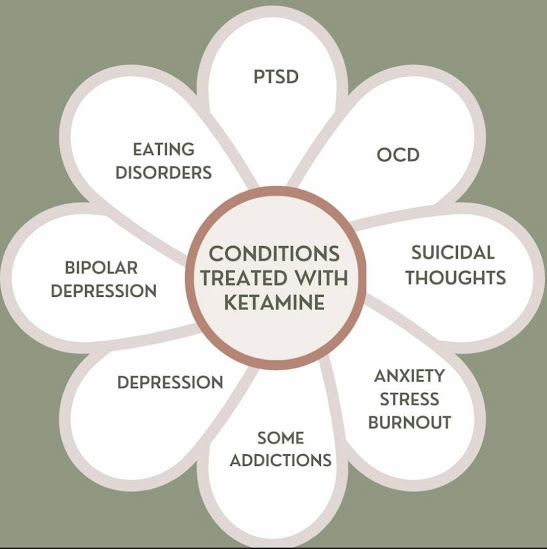
Ketamine is the only legal psychedelic at the federal level. There is evidence it works to improve mental health, even for patients who are already on SSRIs. It has a rapid anti-depressant effect and a rapid anti-suicidal effect. There is increasing evidence -- albeit small studies-- that it can positively impact PTSD, OCD, eating disorders, anxiety, some addiction, treatment-resistant depression and suicidality. In addition, there has been some use in developmental trauma and end of life issues. 

For specific studies and data on the use of ketamine for psychiatric disease, see the reference list below**, which was compiled by Dr. Tamar Mattis.

Psychiatric contraindications: active mania in Bipolar I disorder, psychotic disorders, some personality disorders (particularly if very rigid or very unorganized)

Medical contraindications: heart disease (particularly recent MI or new CAD), uncontrolled hypertension, liver disease (ketamine is metabolized in the liver), pregnancy, increased intra-cranial pressure, and oxygen dependence (due to risk of respiratory depression). 

Side effects: regularly elevates BP 10-20mm Hg, nausea and vomiting (can pre-treat with ondansetron), respiratory depression (rare at doses used for treatment).

***
Ketamine cannot be absorbed orally. But can be delivered via 

  • Lozenges/troches
  • Nasal spray
  • IV
  • Injection (subcutaneous)
The most controlled way to administer ketamine is via subcutaneous injections (starting doses in their clinic is 0.5-1.5 mg/kg (sometimes as high as 2.0 mg/kg), well below the anesthetic dosage ranges, which begin at 6mg/kg). Ketamine's acute effect lasts between 30-45 minutes. As used by Dr. Tamar-Mattis in the clinic, these visits are generally 2.5 hours long, allowing for time to recover from acute effects as well as concomitant psychotherapy. Patients wear masks, and music is played. A typical treatment time is 6 sessions (or 2 months total), again well-below standard years of psychotherapy for intractable mental illness.

It is believed that completing therapy in the altered state allows a shift from intellectual ideas (e.g. suicidality, severe depression) to a "felt-experience". Also, while ketamine is considered a dissociative anesthetic, this is not a dissociated psychological experience. It is more in the body. The work is labor intensive not because of the drug-administration but rather due to the psychotherapist constant presence during the entire session-- which is costly.

Group ketamine-assisted psychotherapy, which the clinic is currently experimenting with, offers the possibility of increased connection, community, and lower cost -- making it more affordable to the wider audience, particularly to vulnerable populations.

As Dr. Tamar-Mattis herself expressed, "We are living in the Wild West of Ketamine right now"-- patients can even order ketamine online to self-administer. She cautioned against the use of ketamine without the assistance of trained providers, mostly to help support patients through the important work of the therapy. Most of their patients have outside therapists, and they consider the work they do at the clinic an adjunct to the psychotherapy patients are already undergoing. Barriers to care include cost: there is not insurance coverage for this type of treatment, and a full course of treatment can cost between $6000-8000 out of pocket, as well as stigma. 

Dr. Tamar-Matti's clinic, Liminal Medicine, in Sebastopol is offering a one-time experiential class for healthcare providers (including physicians, mental health providers) on Saturday June 22, as well as a 5-week caregiver group, titled "Helping the Helpers". See below for details.

 **
References
Grunebaum MF, Galfalvy HC, Choo TH, Keilp JG, Moitra VK, Parris MS, Marver JE, Burke AK, Milak MS, Sublette ME, Oquendo MA, Mann JJ. Ketamine for Rapid Reduction of Suicidal Thoughts in Major Depression: A Midazolam-Controlled Randomized Clinical Trial. Am J Psychiatry. April 1, 2018 https://pubmed.ncbi.nlm.nih.gov/29202655/

Ballard ED, Yarrington JS, Farmer CA, Richards E, Machado-Vieira R, Kadriu B, Niciu MJ, Yuan P, Park L, Zarate CA Jr. Characterizing the course of suicidal ideation response to ketamine. J Affect Disord. December 1, 2018 https://pubmed.ncbi.nlm.nih.gov/30099268/

McInnes, L. A., Qian, J. J., Gargeya, R. S., DeBattista, C; Heifets, B. D. (2022, January 11). A retrospective analysis of ketamine intravenous therapy for depression in real-world care settings. Journal of Affective Disorders. Retrieved May 10, 2022, from https://www.sciencedirect.com/science/article/pii/S0165032721014142#sec0007

Witt K, Potts J, Hubers A, Grunebaum MF, Murrough JW, Loo C, Cipriani A, Hawton K. Ketamine for suicidal ideation in adults with psychiatric disorders: A systematic review and meta-analysis of treatment trials. Aust N Z J Psychiatry. May 14, 2020 https://pubmed.ncbi.nlm.nih.gov/31729893/

John G. Keilp, PhD; Sean P. Madden,; Julia E. Marver, PhD; Abigail Frawley, PhD; Ainsley K. Burke, PhD; Mohammad M. Herzallah, PhD Mark Gluck, PhD; J. John Mann, MD; and Michael F. Grunebaum: Effects of Ketamine Versus Midazolam on Neurocognition at 24 Hours in Depressed Patients With Suicidal Ideation. The Journal of Clinical Psychiatry. November 2, 2021.
https://www.psychiatrist.com/jcp/depression/ketamine-neurocognition-patients-with-suicidal-ideation/

The Effect of a Single Dose of Intravenous Ketamine on Suicidal Ideation: A Systematic Review and Individual Participant Data Meta-Analysis
Samuel T. Wilkinson, M.D., Elizabeth D. Ballard, Ph.D., Michael H. Bloch, M.D., M.S., Sanjay J. Mathew, M.D., James W. Murrough, M.D., Ph.D., Adriana Feder, M.D., Peter Sos, M.D., Ph.D., Gang Wang, M.D., Carlos A. Zarate Jr., M.D., Gerard Sanacora, M.D., Ph.D. Published Online:3 Oct 2017https://doi.org/10.1176/appi.ajp.2017.17040472

Jollant F, Colle R, Nguyen TML, et al. Ketamine and esketamine in suicidal thoughts and behaviors: a systematic review. Therapeutic Advances in Psychopharmacology. 2023;13. doi:10.1177/20451253231151327 https://journals.sagepub.com/doi/10.1177/0004867419883341

Anzolin AP, Goularte JF, Pinto JV, Belmonte-de-Abreu P, Cruz LN, Cordova VHS, Magalhaes LS, Rosa AR, Cereser KM, Kauer-Sant'Anna M. Ketamine study: Protocol for naturalistic prospective multicenter study on subcutaneous ketamine infusion in depressed patients with active suicidal ideation. Front Psychiatry. 2023 Mar 9;14:1147298. doi: 10.3389/fpsyt.2023.1147298. PMID: 36970275; PMCID: PMC10033666.

Ahmed GK, Elserogy YM, Elfadl GMA, Ghada Abdelsalam K, Ali MA. Antidepressant and anti-suicidal effects of ketamine in treatment-resistant depression associated with psychiatric and personality comorbidities: A double-blind randomized trial. J Affect Disord. 2023 Mar 15;325:127-134. doi: 10.1016/j.jad.2023.01.005. Epub 2023 Jan 7. PMID: 36623562.

Chen, C. C., Zhou, N., Hu, N., Feng, J. G., & Wang, X. B. (2023). Acute Effects of Intravenous Sub-Anesthetic Doses of Ketamine and Intranasal Inhaled Esketamine on Suicidal Ideation: A Systematic Review and Meta-Analysis. Neuropsychiatric Disease and Treatment, 19, 587–599. https://doi.org/10.2147/NDT.S401032


Climate Change in Medicine (Murphy, 4/24/2024)

Thanks so much for a wonderful Grand Rounds this week -- a somber and thought provoking and hopeful presentation-- from SRFMR Alumnus Dr. Sarah Murphy on Climate Change in Medicine. A recording of the presentation can be found HERE

My notes:

Dr. Murphy began her presentation with the concept of Planetary Health and the question What if the planet were our patient? As family doctors, we can definitely all understand this question because anyone, really anyone, can be our patient, and the interconnectedness of the health of families and communities and our world are central to the work we do every day. 

Consider these thought-provoking statements about the relationship between human health, our planet's health, and health professionals' role:

  • “Human health and the health of our planet are inextricably linked, and our civilization depends on human health, flourishing natural systems, and the wise stewardship of natural resources.” (2015 Rockefeller Foundation-Lancet Commission on Planetary Health)
  • “Health professionals have an essential role in the achievement of planetary health: working across sectors to integrate policies that advance health and environmental sustainability, tackling health inequities, reducing the environmental impacts of health systems, and increasing the resilience of health systems and populations to environmental change.”
Climate change in 10 words, From Yale Program on Climate Change

Scientists agree.
It's real.
It's us.
It's bad.
. . . There's hope.

Climate change has a direct impact on human health across many different domains. Here are just a few concrete examples:
  1. Extreme heat>>dehydration, heat stress (particularly children, elders), MI/CVA, altered mental status, food insecurity, higher food costs, etc.
  2. Outdoor air quality>>smoke, high pollen counts, short and long-term health effects (including small and large particles that can cause acute disease, but also smaller particles that cross alveoli and can lead to long-term impacts on IQ, heart disease, obesity, etc. And then there's indoor air quality. . .
  3. Flooding>>rising sea levels, more intense precipitation, hurricanes, leading to displacement, water-borne diseases, drowning, etc.
  4. Vector born infection>>rising temperatures change the range of vectors, increasing Lyme disease distribution, mosquito-born illness (e.g. dengue) and increasing risk particularly for children, who are outside playing close to the earth often at dawn and dusk
  5. Food born infection>> toxic algae blooms, increase rates of campylobacter, cholera crypto. Increased diarrheal disease
  6. Mental health. Dr. Murphy introduced the idea of "eco-anxiety" or "eco-grief" that has three components: 1) acute or past physical ecological loss, 2) the loss of environmental knowledge and 3) anticipated future loss.
Ecological grief and anxiety
What kind of ecological grief do you see around you? What kind of climate change (aka eco-anxiety) do you personally experience or see in your clinical practice? How do we support patients in dealing with this kind of grief?

Participants at Grand Rounds shared their own grief and anxiety after the 2017 Tubb's wildfire, concerns about family lands destroyed by flooding in India, loss of salmon runs in Alaska. And more. We all have stories.

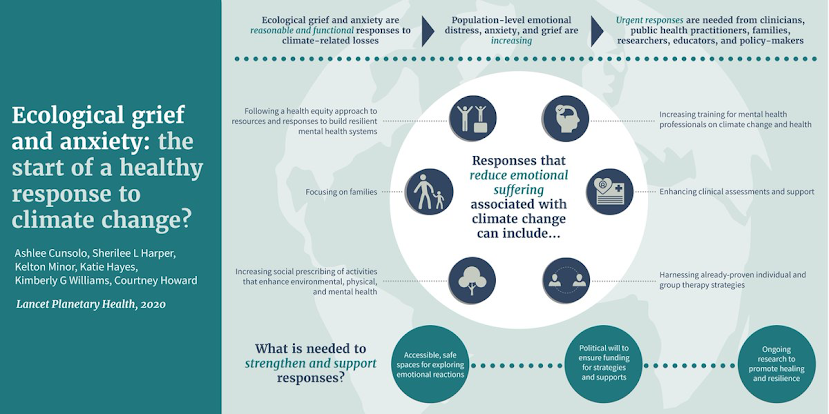
Graphic with text saying ecological grief and anxiety are reasonable and functional responses to climate-related losses, and that population level distress, anxiety and grief are increasing, thus urged responses are needed from clinicians, public health practitioners, families, researches, educators, and policy-makers. Responses that reduce emtotional suffering could include: 
Focus on Families
Increase social prescribing of activities that enhance physical, environmental and mental health
Use individual and group therapy strategies
Enhance clinical assessments/support
Increase training for mental health professionals on climate change and health
Follow a health equity approach to resources and responses.
Graphic from paper: Ecological grief and anxiety: the start of a healthy response to climate change?

Dr. Murphy urged us rather than think about these responses as pathological, perhaps we reframe them as reasonable and functional responses. The key is what do we do with these feelings? Do we acknowledge them in ourselves? Do we ask patients about them? Do we have outlets to build community and affect change driving by the need to respond to these emotions? 

Climate change, health disparities and inequities
Unsurprising to those of us who practice in the safety net, there is intersection between social determinants of health and social vulnerability. Our most vulnerable populations suffer the greatest health impacts of climate change. 


For more information, check out the CDC+UCSF Pediatric Environmental Toolkit available at:  https://www.atsdr.cdc.gov/emes/health_professionals/pediatrics.html

https://peht.ucsf.edu/index.php


There is a subset of the toolkit that focuses on environmental exposures linked to climate change and gives providers key information and good tips on anticipatory guidance in well-child checks

The healthcare system's direct impact on Planetary Health Don't forget that the healthcare industry, in general, and hospitals, specifically, contribute a tremendous amount of waste and greenhouse gases that only compound climate change. 8.5% of US total waste is healthcare sector waste. If healthcare were our own nation, we would rank 13th in greenhouse gas emissions. This also doesn't take into account supply chain waste, single use waste, water and sanitation issues.

And yet, even still there is hope.
Hope you say?
Yes.

Yet among this crisis we have an opportunity: Our best science tells us that the The severity of climate-related health risks is highly dependent on how well health systems can protect people.

With timely, proactive and effective adaptation many risks for human health and wellbeing can be reduced and some potentially avoided (very high confidence) 


Read this article from UW: Hope Health and the Climate Crisis (Frumkin, 2022). Frumkin tells s that hopeful people feel better, hope leads to action, and hope is empirically justified.
What can healthcare providers do?
  • We can vote with our wallet (spend money where it matters and buy things that are good for the planet)
  • OR Buy LESS (se second hand, repurporse)
  • Talk with patients about the health impact, their actions, and their eco-grief
  • Enjoy the outdoors -- having a relationship with our planet will help us protect our planet
  • Join a group that is doing advocacy

Take the examples of Dr. Plastic Picker (a Kaiser pediatrician in southern CA who is modeling beach cleanup and climate change action), Climate Health Now (Drs. McLure and Millstein, CA advocacy group) or anesthesiologists who are advocating to decresae their use of gases.

Looking for more resources. Here are a TON!!

Global Consortium on Climate and Health Education:
https://www.publichealth.columbia.edu/research/global-consortium-climate-and-health-education

Medical Society Consortium on Climate and Health
https://medsocietiesforclimatehealth.org/

Healthcare Without Harm Physician & Nurse Network
https://noharm-uscanada.org/HealthyClimate

Practice Greenhealth
https://practicegreenhealth.org/topics/climate-and-health/climate-and-health

Health Care Climate Challenge – for hospitals & health systems

Climate Resources for Health Educ - https://climatehealthed.org/

U of CO Climate & Health Program – diplomat/fellowship
https://medschool.cuanschutz.edu/climateandhealth

Citizens’ Climate Lobby
Project Drawdown: The World’s Leading Resource for Climate Solutions

Films/videos/books
Solving for Zero
Braiding Sweetgrass – Robin Wall Kimmerer
This Changes Everything - Documentary
Talking about Climate Change: https://ourclimateourfuture.org/video/secret-talking-climate-change/
Katharine Hayhoe TED Talk: The Most Important thing you can do about Climate Change? Talk about it!

Diagnosis and Management of Osteoporosis (Hamann 7/23/2026)

 A recording of this presentation is available HERE .  *** Thanks so much to Dr. Kendal Hamann, SMGR Endocrinologist, for an outstanding Gra...