Showing posts with label equity. Show all posts

Ethical Deviations and Inequities in the Delivery of Health Care (Matthews, 2/11/26)

A recording of this presentation is available HERE.

***

Special thanks to Dr. Adora Matthews, Sutter's CME of Inclusion and Belonging. She gave an important presentation on Inequity in the Delivery of Health Care-- as a celebration/reminder of Black History Month and a reminder of our commitment to delivering equitable and excellent care to every patient we serve. 

Dr. Matthews reminded us of four important historical occurrences that still contribute to fractured trust in the medical system for black Americans:

1) Dr J. Marion Sims, often referred to as "the father of modern gynecology", a white man, who operated on black slaves without anesthesia, perfected his hysterectomies and vesico-vaginal fistula repair on black slaves without consent, and contributed to a long-held notion in medicine that "black people don't feel pain the same as white people". After  all surgical assistants resigned due to discomfort with his work, he ultimately forced three black slave women (named Anarcha, Betsy, and Lucy) to assist him in these experimental surgeries.

A statue to honor these three women, the "Mothers of Gynecology" stands today in Montgomery, Alabama. 

2) The Tuskegee Syphilis experiment, which took place from 1932-1972, in which 400 black male sharecroppers were knowingly observed to study the natural history of syphilis, even after cure/treatment for syphilis was widely available (in the form of penicillin!). Spouses were infected, babies were born with congenital syphilis, extreme pathology was documented. This is widely considered the greatest failure of medical ethics in our country. This experiment didn't end until it was leaked to the press in 1972. A formal apology rendered by President Bill Clinton in 1997, calling the experiment "shameful and racist". 

3) Henrietta Lacks was a black woman who was treated in 1951 for cervical cancer at John's Hopkins University. After she died that same year, her cell line (HeLa) was used (without consent) for countless projects, including vaccine development, medical research, most recently for the COVID vaccine development. 110,000 publications are attributed to her cell lines, which are still in use today. The Lacks family was unaware of this use of her cells until 1973, when they were approached by a scientist who wanted to study them. 
These historical truths (and many others) contribute now to systemic inequity and mistrust. We must be aware of these histories, warned Dr. Adora Matthews, when we are caring for black American patients. We must be aware of them when we see current inequities. And while being aware isn't enough, it's a start.

Four current inequities for Black patients:
1) Healthcare access: black and brown patients have higher rates of being uninsured, are less likely to have preventive care, and less likely to have a regular PCP.
2) Chronic disease management: black American women have some of the highest rates (40%) of metabolic syndrome, which doubles CV risk, increases all cause mortality, and is associated with DM, CKD and stroke.
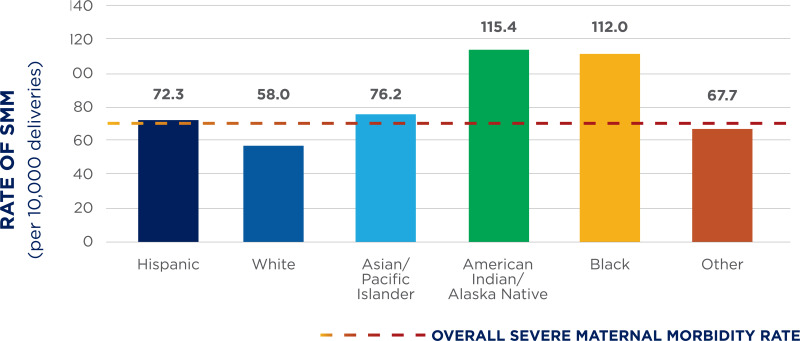
3) Maternal and fetal health outcomes: black women have highest rates of maternal mortality and fetal mortality, even when controlling for SES (see graphs below)


4) Pain management: Biased beliefs about black patients and pain tolerance dating back centuries with no evidence-- still exist today. There is literature from emergency rooms, hospitals and clinics that black patients are less likely to receive pain medication for the same painful condition.

Dr. Matthews reminded us that knowing the history (and the current inequities) is where we begin-- from here we begin to look at systems and address systemic racism in the daily work we do. We turn our grief, sadness, anger and despair into hope for our patients. We confront our own biases by attending lectures like these and participating in unconscious/implicit bias assessment ( Harvard's can be found HERE). 


Physiologic Birth in the Hospital (Saedi-Kwon, 12/11/24)

 A recording of this presentation is available HERE

Thanks to Dr. Ryley Saedi-Kwon for her presentation this week on Physiologic Birth. As usual, a recording of the presentation is available above. Dr. Saedi-Kwon covered a wide range of birth topics, see my highlights below.

Physiologic Birth, as outlined in a 2012 consensus statement of US midwifery organizations includes:

  • Spontaneous onset and progression of labor
  • Includes biological & psychological conditions that promote effective labor
  • Results in the vaginal birth of the infant and placenta
  • Results in physiological blood loss
  • Facilitates optimal newborn transition through skin-to-skin contact
  • Supports early initiation of breastfeeding

2018 systematic qualitative review found that

  • Most wanted a physiological labor and birth while acknowledging that birth can be unpredictable and frightening and they may need to ‘go with the flow’

  • Small minority birth was physical process that should be conducted as quickly and painlessly as possible


What matters to birthing patients is:
  • Giving birth to a healthy baby in a clinically and psychologically safe environment
  • Practical and emotional support from birth companions and competent, reassuring, kind clinical staff
  • Individualized care
  • Sense of personal achievement and control through active decision-making
Birth Setting
Possible birth settings include hospital, home, or birth center birth. There are advantages and disadvantages to all three settings, and may patients' options are limited/controlled by financial and insurance decisions rather than personal decision-making. Whereas the hospital setting has demonstrated benefit in "high risk" deliveries, there is plenty of data showing that both home birth and birth center birth can be just as safe in "low risk" patients. Whereas hospitals offer expert and facile access to testing and timely interventions, they tend to be less private, less comfortable and allow limited freedom of movement. Birth centers have demonstrated less interventions and some improved outcomes with similar safety outcomes to hospital birth in a select patient population.
   

Racial and ethnic disparities exist. As we know, BIPOC women have increased rates of maternal mortality but also have increased rates of discrimination and mistreatment in the hospital setting, including higher rates of feeling "pressured into interventions". In one study, 30% of BIPOC patients experience mistreatment during hospital birth compared to 6.6% of patients who delivered in a birth center. 
***

There are many evidence-based and non-evidence based interventions patients and providers use/recommend to promote physiologic birth. These very across the stages of labor. Dr. Saedi-Kwon reviewed briefly the use and evidence for these interventions/options:

First stage of labor

"natural birth preparation" or "natural induction"
  • Red raspberry tea 
  • Dates
  • Castor oil
  • Primrose oil
Pain Management is an important consideration for laboring patients. IVs, medications, and pharmaceutical interventions can have a tethering effect for women, and non-pharmacological interventions have some high level evidence. These include:
  • Continuous labor support (i.e. doulas and/or partner support): associated with decreased length of labor, increased rates of vaginal birth, reduced procedural deliveries, decreased pain medications and increased patient satisfaction. Continuous labor support also allows someone to be present who is advocating for the patient during their labor. Of note, Medi-Cal now covers doula services. 
  • maternal position: upright and walking has demonstrated better outcomes
  • hydrotherapy/water immersion: decreases anxiety and improves pain without any evidence of harm 
  • counter pressure: mixed data but some studies show improved pain scores
How can we limit interventions in birth?
  • Delayed admission to L&D
  • Outpatient cervical ripening: pharm or non-pharm placed in the hospital (misoprostol or foley) with return in 12-24 hour for recheck
    • Whereas current guidelines do recommend immediate induction of labor if a patient has PROM, 95% of patients with PROM will go into spontaneous labor within 24-48 hours
  • Intermittent auscultation for fetal monitoring (via doppler)
2nd Stage of Labor
  • Perineal massage: metanalysis found a decrease rates of 3rd and 4th degree lacerations, more significant in primigravida
    • starting at 34 weeks, 3-9 o'clock posterior perineum, clean hands, lubricant (water-based or food based oil)
    • can by done by partner or self
    • even as infrequently as 1-2x week has benefit
  • Warm compresses held to perineum during/between pushing also has some evidence of decreased 3rd/4th degree lacerations
  • "Hands on" vs. "Hands poised" position (by provider): mixed evidence, comparing the two, hands on shows no reduction in anal sphincter injury
  • Pushing (studies done in patients with epidurals)
    • immediate vs. delayed, immediate pushing does decrease length of second stage and reduces rates of chorioamnionitis, but there is no different in vaginal operative delivery, laceration, or post-partum hemorrhage
    • open vs. closed glottis: closed glottis does again decrease length of second stage but does also increase risk of abnormal post partum urodynamics
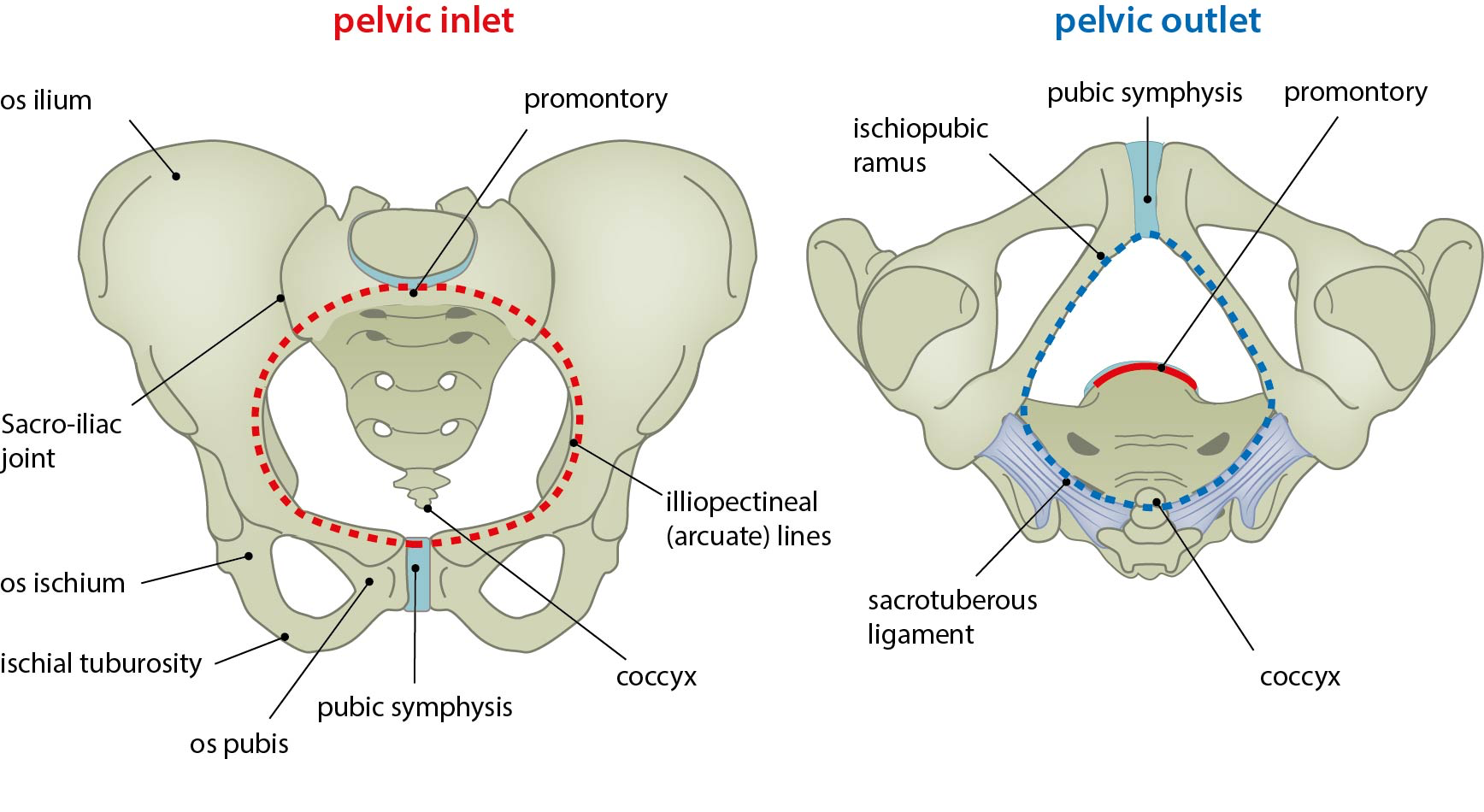
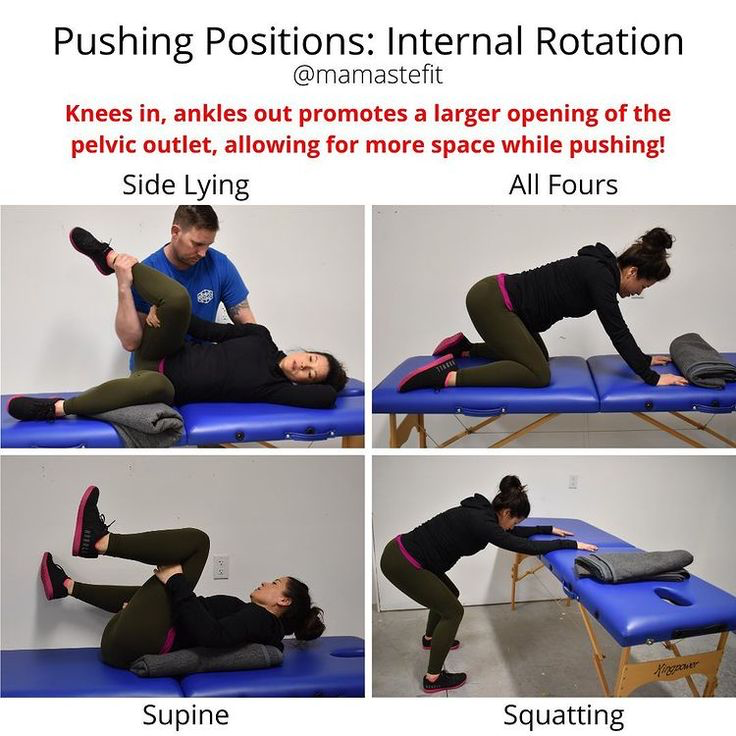
    • opening the pelvis with knees wide (traditional lithotomy) vs. with internal rotation of the knees: internal rotation does increase size of pelvic outlet
    • pushing position: upright and side lying (as opposed to lithotomy) does increase rates of intact perineum
3rd Stage of Labor
    • Delayed cord clamping increased final blood volume of neonate by 20-30% and has proven benefit in neonates, >120 seconds
      • in very preterm neonates (<28 weeks), cord milking may be preferred to allow for urgent resuscitation for non-vigorous infants
    • To decrease rates of postpartum hemorrhage (PPH): 
      • Pitocin at delivery of anterior shoulder decreases rates of severe PPH
      • cord traction with counterpressure on uterus (risks are cord avulsion (5%)and uterine inversion (<0.1%), both of which are rare
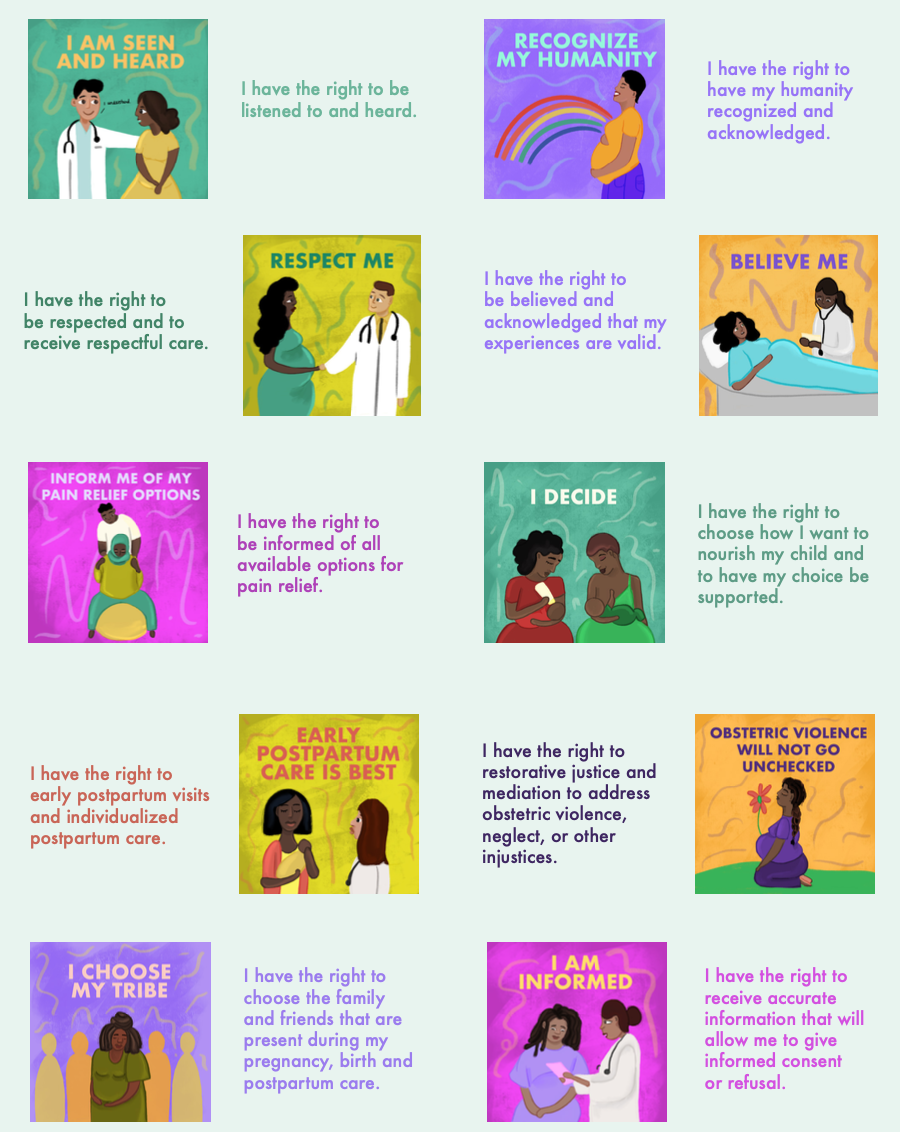
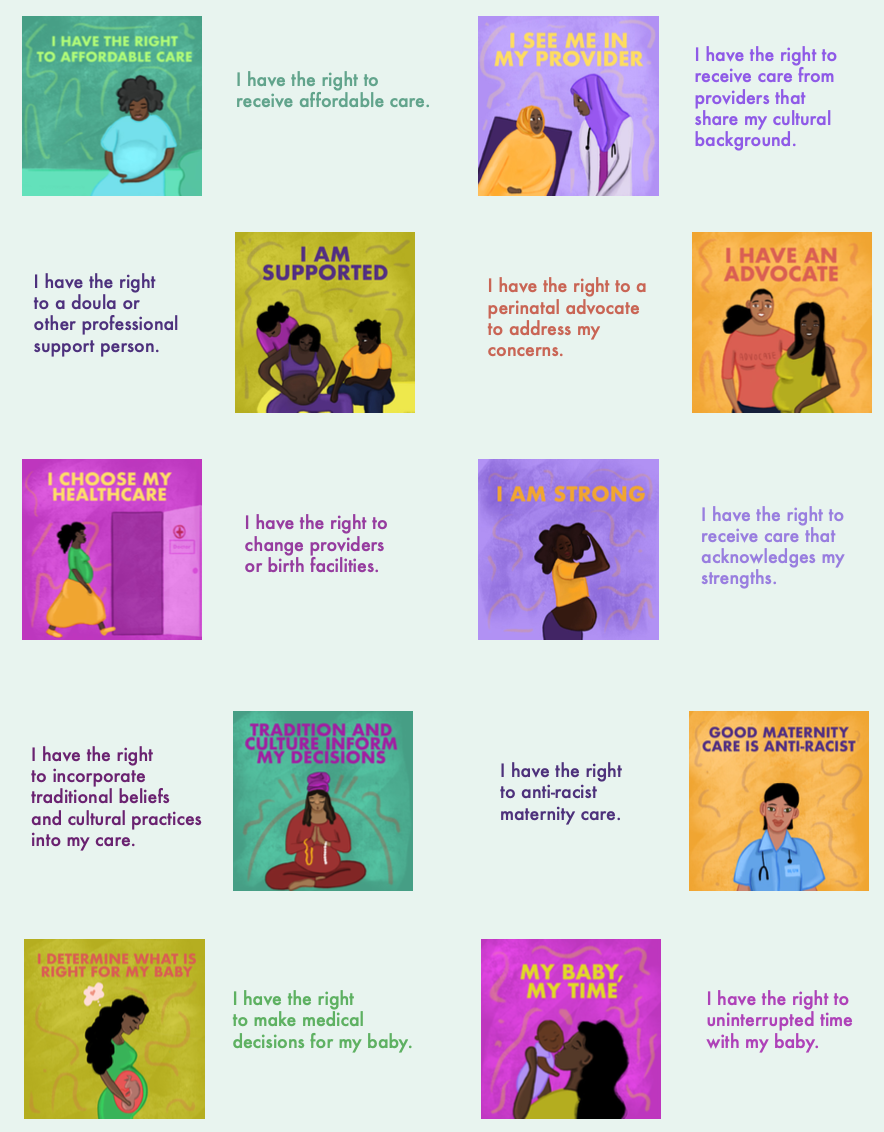
And, finally, Dr. Saedi-Kwon ended her presentation with this beautiful montage from the National Association to Advance Black Birth - Black Birthing Bill of Rights. Please check them out HERE.


Barriers to Fertility Care (Orozco-Llamas, 9/18/2024)

Many thanks to Dr. Orozco-Llamas for an excellent, thought-provoking presentation this week on Barriers to Fertility Care. A recording of her presentation is available HERE.

My notes:

2020 American Society for Reproductive Medicine definition for infertility:

  • Inability to achieve a successful pregnancy based on a patient’s medical, sexual, and reproductive history, age, physical findings, diagnostic testing or any combination of those factors.

  • Need for medical intervention to achieve a successful pregnancy either as an individual or with a partner

In patients having regular, unprotected vaginal-penile intercourse, evaluation should be initiated at 

  • 12 months when the female is under 35 years of age
  • 6 months when female is 35 - 40 years
  • Immediate evaluation may be warranted in female >40 years
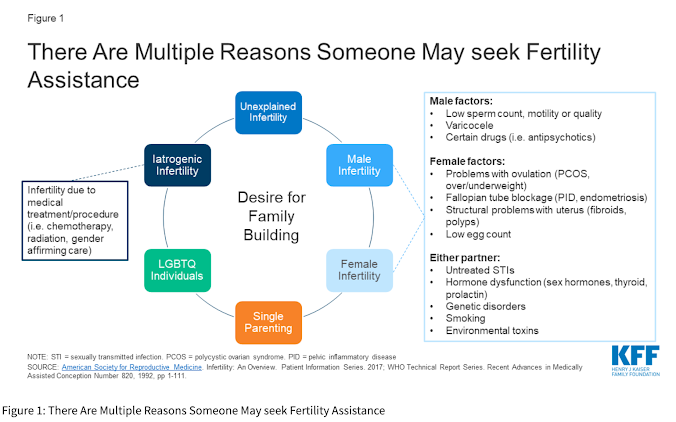
Infertility affects 15% of heterosexual couples in the US
Male factor accounts for 40-50%
Female factor accounts for 35-50%
Unexplained fertility accounts for ~30%
This talk did not cover the usual fertility evaluation, but a typical plan for infertility includes diagnostic services (serum lab tests, semen analysis, imaging and diagnostic procedures, e.g. laparoscopy or hysteroscopy) and treatment services, including medications (clomiphene/letrozole), surgery (laparoscopy or hysteroscopy), intrauterine inseminations (IUI) and in vitro fertilization (IVF)

Each of these components has an associated cost:
For patients who need fertility specialty care, costs are generally self pay. At our local fertility clinic-- Advanced Fertility Associates, Inc, here are some current out of pocket costs:
  • Consult $280 

  • US done in-house $275  (even if done already at outside facility)

  • Blood work $350 (often needs repeating)

  • IUI $400 per cycle

  • IVF $10,000-$15,000 per cycle

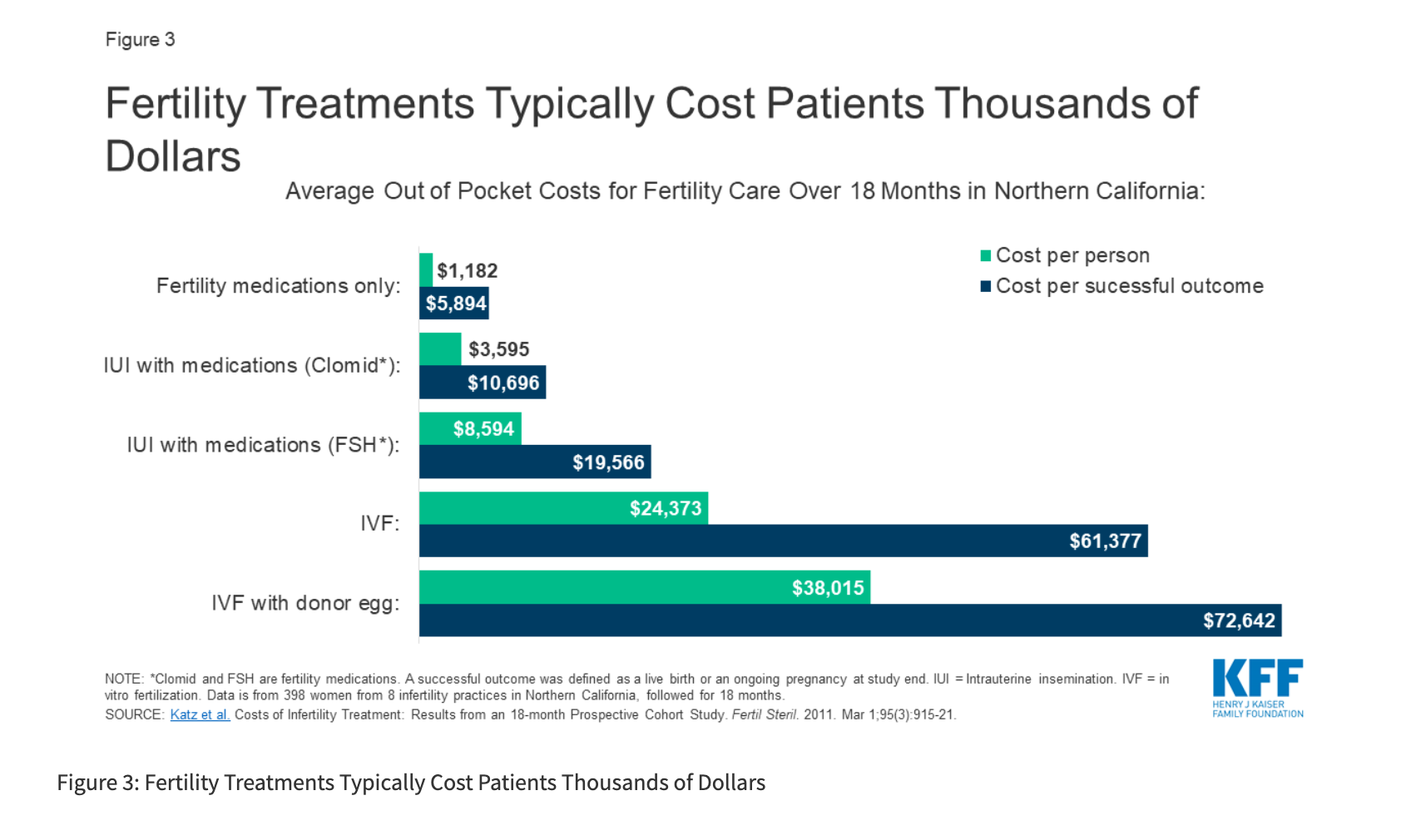
It is important to note that fertility treatments do not every guarantee a successful pregnancy and many of these costs need to be multiplied to achieve success. If you look at the graph below from KFF, you can see that whereas a single cycle of IUI may cost about $3500 dollars, the average cost per successful pregnancy is over $10,000 dollars. 

Ovulation stimulating medication is relatively low-cost for our Medi-Cal and uninsured patients (~$18 for a course of clomiphene and/or letrozole), but there is currently no in clinic IUI offered at our community health centers. Patients can be counseled on doing home insemination, which has a lower success rate.

We know that IVF has been in the national political conversations lately. It is important to note that there is wide variability in states regarding private insurance mandates around fertility care. 

As of June 2024, 23 states have mandates requiring insurance companies to include some coverage for infertility diagnosis and treatment. Of these, 15 states specifically require coverage for IVF. Most require a clinical diagnosis of infertility, often requiring all people seeking coverage, including single people and people in same sex partnerships, to demonstrate clinical infertility (sometimes requiring a rounds of IUI before covering IVF).

Where policies cover IVF, coverage is limited by either a dollar limit or a maximum number of IVF cycles.  Several of the states that mandate insurance coverage of infertility treatment do not require religious organizations, small businesses, or employers who self-insure to offer coverage. Several states require that the patient be married. Many states place an age limit on infertility treatment.

No state Medicaid (in California, MediCal) currently covers IUI or IVF.
***
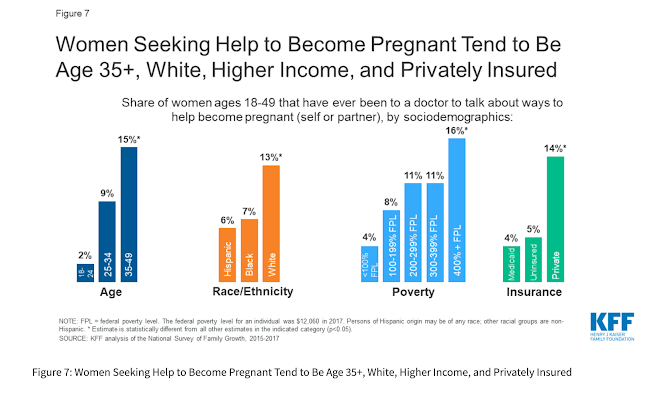
All this being said, patients of color and patients with low SES have higher rates of infertility! In fact
  • All non-white racial and ethnic groups (black, other race, and Hispanic) are significantly more likely to experience infertility than whites.

  • Both high school dropouts and high school graduates are significantly more likely to experience infertility than four-year college graduates. 

  • Women who are not white and women who are of lower SES are significantly less likely to report ever having received infertility treatment.

This is an equity issue. It shouldn't be surprising that women seeking fertility treatments tend to be older, white, of higher income and privately insured. 

Also of note, there is evidence that women who work with pesticides have higher rates of infertility. See image below for details on two studies that are highlighted. This is particularly relevant to many of our local SoCo patients who work in vineyards and local farming industry. 


What can primary care docs working in the safety net do with patients who need fertility services?
  • Talk to your  patients about fertility!

  • Refer to WHPC or GYN clinic at Vista SRCH

  • Education on infertility and ovulation cycle

  • Mental health resources

  • Diet and lifestyle modifications

  • Guidance on when to refer and providing financial information


References:
  • Bill Status - SB-729 Health Care Coverage: Treatment for Infertility and Fertility Services. leginfo.legislature.ca.gov/faces/billStatusClient.xhtml?bill_id=202320240SB729.
  • Figà-Talamanca, Irene. “Occupational risk factors and reproductive health of women.” Occupational medicine (Oxford, England) vol. 56,8 (2006): 521-31. doi:10.1093/occmed/kql114
  • Fuortes, L et al. “Association between female infertility and agricultural work history.” American journal of industrial medicine vol. 31,4 (1997): 445-51.
  • Gaskins, Audrey J, and Jorge E Chavarro. “Diet and fertility: a review.” American journal of obstetrics and gynecology vol. 218,4 (2018): 379-389. doi:10.1016/j.ajog.2017.08.010
  • “Infertility: An Overview Patient Education Booklet.” Infertility: An Overview Patient Education Booklet | ReproductiveFacts.Org, American Society for Reproductive Medicine, www.reproductivefacts.org/news-and-publications/fact-sheets-and-infographics/infertility-an-overview-booklet/.
  • Infertility Workup for the Women’s Health Specialist: ACOG Committee Opinion, Number 781. Obstetrics & Gynecology 133(6):p e377-e384, June 2019. | DOI: 10.1097/AOG.0000000000003271
  • Katz, Patricia et al. “Costs of infertility treatment: results from an 18-month prospective cohort study.” Fertility and sterility vol. 95,3 (2011): 915-21.
  • Mays, Mackenzie. “A Bay Area Cancer Patient Froze Her Eggs in Hopes of Having Children. She Can’t Afford to Finish IVF - Los Angeles Times.” Los Angeles Times, 9 Apr. 2024, www.latimes.com/california/story/2024-03-31/ivf-isnt-covered-by-insurance-in-california-hopeful-parents-are-struggling-to-afford-fertility-care.
  • Phillips, Kiwita, et al. “Infertility: Evaluation and Management.” AAFP, 15 June 2023, www.aafp.org/pubs/afp/issues/2023/0600/infertility.html.
  • Practice Committee of the American Society for Reproductive Medicine. Electronic address: asrm@asrm.org. “Definitions of infertility and recurrent pregnancy loss: a committee opinion.” Fertility and sterility vol. 113,3 (2020): 533-535. doi:10.1016/j.fertnstert.2019.11.025
  • Weigel, Gabriela, et al. “Coverage and Use of Fertility Services in the U.S. | KFF.” KFF, 15 Sept. 2020, www.kff.org/womens-health-policy/issue-brief/coverage-and-use-of-fertility-services-in-the-u-s.

To understand and to be understood: language interpretation in medicine (Slater, 5/1/2034)

Many thanks to Dr. Allison Slater, our final resident from the class of 2024 to give her senior Grand Rounds presentation this week. She gave a really important and thought-provoking presentation on language and language interpretation in medicine. It was titled "To Understand and be Understood", a title she borrowed from a March 2017 AMA Journal of Ethics that focused on language, literacy and hierarchy in medicine.  

A recording of her presentation can be found HERE.

My notes:

Dr. Slater began with a review of words:

  • interpretation: spoken language being repeated in an alternate language
  • translation: written language being repeated in an alternate language
The distinction between the two is important because trained interpreters have special training and skill in being able to perform live and capture the meaning of the discussion, whereas written translators have the tincture of time and the ability to be more precise. In the healthcare setting, we are generally using live interpretation with patients during patient encounters, though document translation is also important issue, particularly with regards to clinic after visit summaries and hospital discharge summaries.
  • limited English proficiency (LEP): US Census distinction based on an individual's response to the question: "How well do you speak/read/write English".  LEP is considered anyone who responds anything other than "very well"
  • Non-English language preference: upon closer examination, the term LEP is a "deficit-oriented" distinction and in no way recognizes a person's proficiency in languages other than English. Thus, this may be the preferred term. 
Professional interpretation in the healthcare setting is the law. 
This legal protection comes through various acts and executive orders, but which has not always been accepted:
  • 1964: Civil Rights Act codifies "national" origin as a protected class for all programs or activities receiving federal funds
  • 2000: President Bill Clinton signs an executive order designed to improve access to services for patients with limited English proficiency (LEP) from all federally-funded agencies
  • 2003: AMA president makes public statement that he sees "no need for professional interpreters"
  • 2010: The Affordable Care Act (aka ACA/Obamacare) added protections for patients, including regulation around signage in 15 top languages for each state
  • 2019: Trump rolls back and narrows protection
  • April 26, 2024 (last week!): a federal appeals court reinstates the 2010 ACA protections that had been repealed in 2019
Despite the regulation requiring healthcare institutions to provide no-cost language interpretation for patients with non-English preference (and the real risk of malpractice vulnerability) we are al aware that what happens in real life is not always what should happen. Many healthcare providers "get by" with inadequate language skills, physicians in particular are well-documented to overestimate their language skills, and patients with LEP are known to have more adverse outcomes, longer hospital length of stay, have more tests, higher rates of readmission, and feel discriminated against in the places they are receiving health care.

Unfortunately, ad hoc or informal interpretation is often used -- including patient family members and/or non-trained staff. Ad-hoc interpreters -- i.e. anyone who isn't trained and certified-- introduce a range of possible challenges: the potential for role confusion, may not have adequate language abilities for the content, insufficient attention and recall, not following standard interpretation protocols, subjectivity and biased interpretation, breach of confidentiality, missed conversations, and the possibility of limited scope of inquiry (e.g. intimate sexual issues). In fact, one study found that 1/4 to 1/2 of questions asked by a clinician were misinterpreted or omitted by ad hoc interpreters

While "routine conversation" between LEP patients and clinicians who self-identify as being language proficient may be acceptable, clinicians should really be subject to a proficiency certification to ensure that vital medical conversations (e.g. diagnosis, surgery plans, medical treatment plans, procedural consents, and discharge plans) are correctly communicated. Medical communication requires precision -- and this is even more important with sensitive topics, e.g. mental health, options counseling, substance abuse, trauma, and sexual assault. 

In addition, official interpreter roles can include exploration and explanation of culturally relevant features of a conversation. 

Okay, deep breath. As I myself said at the end of her presentation, there are many ways in which much of what Dr. Slater shared has me feeling bad about myself. Even as someone who considers herself a champion for the best care for our patients with LEP, I often find myself acting badly: acting as an interpreter (myself without formal training), using family members for interpretation (twice in the last 2 weeks, interpreters in patient's preferred language were not readily available), failing to give an interpreter context, not ensuring that every person in the room has access to the same information.

Let's do better!
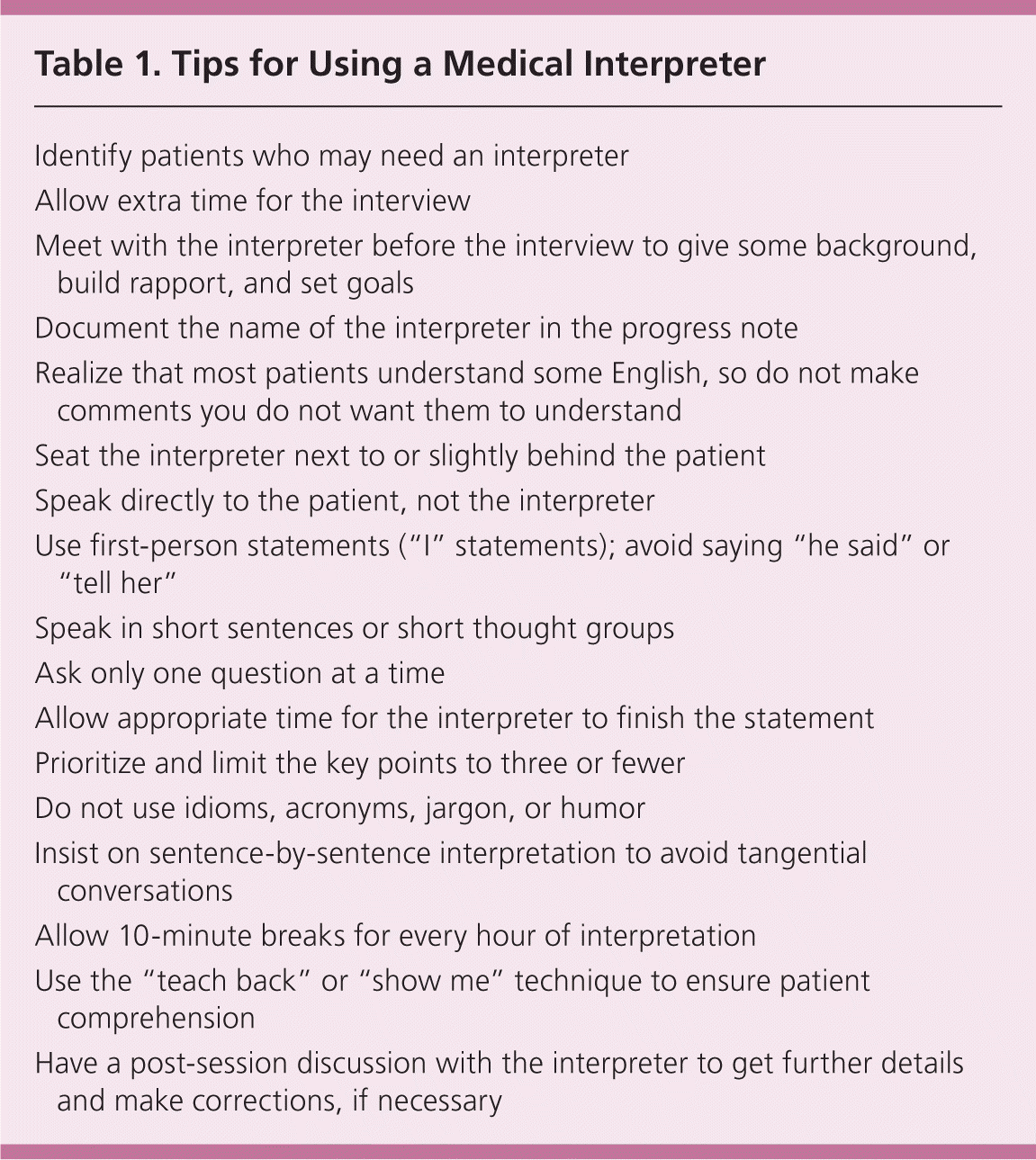
Best practices, my favorites: 1) Make sure you allow extra time 2) Always write down the ID# of the interpreter you are using 3) huddle with the interpreter before the conversation whenever possible 4) look for red flags (e.g. confusing answers, confusing questions, long statements that are not being appropriately interpreted) and 5) if you don't use an interpreter, document why. For more, see the Table below from the 2014 AAFP article, Appropriate Use of Medical Interpreters

Healing through Strengths, Movement, and Culture (Fleg, 1/10/2024)

 A recording of this presentation is available HERE.

***

Deep gratitude for today's Grand Rounds, an impactful presentation by Dr. Anthony Fleg from  University of New Mexico in Albuquerque, about changing the way we assess and treat patients by assessing for their strengths, rather than their deficits. 

I would say this is a presentation better watched and absorbed than summarized, but here are my notes for those of you who prefer them.

Dr. Fleg encouraged us from the beginning of his presentation to consider how we are trained in medicine to assess and manage patients by understanding their "problems" or "deficits" rather than to understand their strengths. 

To begin, he asked us to consider one of the patients we may have struggled to serve effectively in recent weeks and to list out their problems. After about a minute, he then asked us to list out this same patient's strengths. Once we were done with the exercise, he made us do a self-assessment.

  • What was our ratio of problems to strengths for our patient? (on average, he said, physicians are able to list 6 problems to 1 strength)
  • Did we have trouble thinking of strengths? It wouldn't be surprising, we aren't trained to look for them.
  • How might we care for our patients differently if we ask "what is right with you?" instead of always "what is wrong with you"?          
  • How can we possibly ask patients to use those strengths if we do not know what they are? 
  • How can we change even very complex medical situations into achievable goals for patients -- particularly for historically marginalized patients, e.g. BIPOC patients, but really for everyone?    

Dr. Fleg spoke about how social workers are trained to do something called "asset mapping" with their clients, which is exactly what it sounds like -- looking for people's strengths, even under challenging conditions. The idea is that, by understanding assets, we  empower people in communities to build on what they do well in order to improve their health. 

Take, for example, Dr. Fleg's wife's 95 year old Navajo grandfather, a traditional medicine man, who died of COVID early in the pandemic. This person, Grandad Bahe Manybeads, looked at from a traditional medical model -- a deficit perspective -- had many things stacked against him: low English proficiency, low educational attainment, minimal eye contact, hard to communicate with, doesn't share, geriatric. But what happens if we flip his deficits into strengths: he is Navajo speaking, culturally competent and highly educated in Navajo culture, a recognized community healer, humble and modest, stoic and strong, wise elder, a physical strong healer who still performs all night healing ceremonies well-into his nineties. How does that lens change how we treat his medical illness?


By not focusing on strengths, Dr. Fleg argues, we perpetuate racism, lose key chances to empower patients to heal from within, dehumanize patients and ourselves, and feed into our own burnout. Deep breath. Take that for consideration. Consider how focusing on patient strengths may actually feed you and sustain your practice.

***


Dr. Fleg ended his thought-provoking presentation on leading with strength on a reminder of  the decimation of the Indigenous people in California (from the state of CA court's website):

  • From 1840-1870, the California indigenous population decreased from 200,000 people>> 12,000 due to disease, removal and death. This was not accidental.
  • Even still, CA has the largest Native American population in the country (12% of all Native Americans in the US live in California)
    • Over 1/2 of California's indigenous people are descendants of those displaced due to mass relocation to urban centers (SF and LA)
  • Systematic oppression, codified by law:
    • Any Indian declared vagrant could be thrown in jail 
    • Indian children were allowed to be sold as slaves
    • Laws explicitly prohibited Indians from testifying in court against a white person
  • While there are currently >100 tribes recognized in CA, there are also tribes that were erased by federal policy. Be careful with each individual's identity and passing value judgements without understanding
In summary, while we may be medically proficient, we may also be culturally and historically deficient in understanding people's contexts. Be sure to consider be peoples contexts and make an effort each day to care for people, rather than treat patients.

I'll end on a state from Dr. Fleg that was particularly poignant for me: "We decolonize ourselves when we are strength-based and that is good for ourselves and for every single person we care for."

Thriving or Surviving: The Connection Between Chronic Stress, Chronic Disease, and Social Determinants of Health (Deol - 9/6/23)

 A recording of this presentation can be viewed HERE

***

Thank you to Dr. Navi Deol, PGY3, who gave an excellent presentation this week titled Thriving or Surviving: the intersection between chronic stress, chronic disease, and the social determinants of health. Each of the items in the subtitle is a HUGE topic, and Dr. Deol was able to weave them together beautifully and powerfully. I encourage you to watch yourself.

Image from https://www.glasbergen.com/stress-management-cartoons/cartoons/page/3

If you prefer the written word, see my notes:

  • stress: how certain stimuli (stressors) affect a person's mind, body and spirit
  • stress response: how our body reacts normal, a normal physiologic and psychologic response to stressors
  • some stressors evoke positive emotions and can be beneficial (eustress); some evoke negative emotions and cause problems (distress)
A certain amount of stress is important and necessary to generate optimum productivity and performance, but too much stress can lead to anxiety, overload, and burnout (see image below of the Yerke's-Dodson Law).
Yerke's-Dodson Law, image fromhttps://stock.adobe.com/

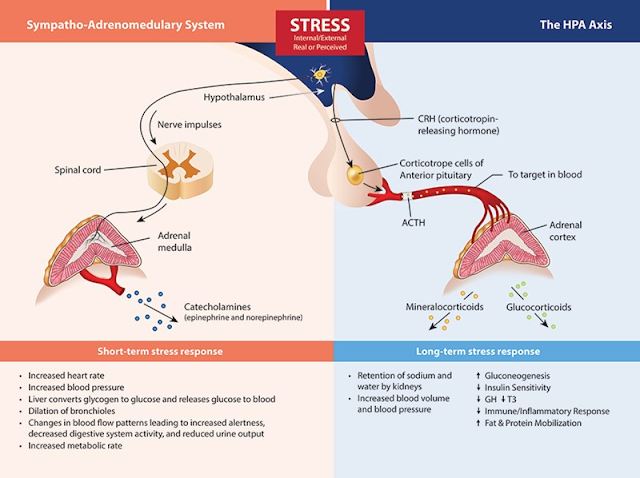
Stress causes physiologic changes in our bodies. We are all familiar with the autonomic nervous system, which responds to acute stress with the sympathetic "fight or flight" and the balancing parasympathetic "rest and digest", but what happens when the stress response is constantly being activated? 

Image from: https://www.backtothebooknutrition.com/adrenal-fatigue-hpa-axis-dysregulation/


The answer is that our long-term stress response leads to a cascade of responses that make us more vulnerable to chronic diseases.

A 2019 study published in the Journal of ACC looked at the link between SES factors such as low income and higher crime on MACEs (cardiac death, myocardial infarction, unstable angina, cerebrovascular accident, peripheral artery disease with revascularization, or heart failure). This study suggests that a biological pathway contributes to this link, involving, in series, higher amygdala activation, increased activation of the bone marrow (with release of inflammatory cells), which in turn leads to increased atherosclerotic inflammation and its atherothrombotic manifestations


Patients were categorized according to quartiles of their neighborhood median income and neighborhood crime rates.  Amygdalar activity (A) and arterial inflammation (B) were lower as neighborhood median income increased. Amygdalar activity was higher (C) and arterial inflammation trended toward an increase (D) as neighborhood crime rate increased. One image from that study is seen below. For more information, click the link above or see the study link below the image.

https://www.jacc.org/doi/10.1016/j.jacc.2019.04.042


Chronic diseases are non-communicable illnesses that persist for long periods of time and result from a combination of genetic, environmental, and psychological factors. These include cardiovascular disease (e.g. hypertension, coronary artery disease, and strokes), metabolic disorders (e.g. type 2 diabetes and obesity), mental health issues (e.g. depression, generalized anxiety disorder), and substance use disorders.

We know that inflammatory cascades play an important (and damaging role) in the onset and progression of chronic disease. While acute inflammation is technically "good" for us because it cleans up disease states in our body, chronic inflammation is bad bad bad.

Financial stress

Are you aware that money (finances and inflation) is a tremendous source of chronic stress for a shocking number of US adults. A 2022 survey found that 57% of US adults reported not having enough money to pay for essential items; 43% reported that they are not saving enough, and 56% had to make different choices due to their lack of money. 

Violent stress

Mass shootings, gun violence, and crime are also sources of tremendous chronic stress, particularly for people living in poverty and disproportionately for BIPOC people. 

Social Determinants

This leads us directly into a discussion of the importance of the Social determinants of health (SDOH), the conditions into which individuals are born, grow, live, work and age. There is an unsurprising link between chronic stress and the SDOH. These include your neighborhood and built environment, healthcare, education, economic stability, and social and community context. 

image from Healthy People 2030

If this is news to you, check out this video about how zip codes influences an individual's health: A Tale of Two Zip codes.

And for something even closer to home, check our our local Sonoma County data on how the SDOH vary based on zip code in the report titled A Portrait of Sonoma County 2021 Update, available here:  https://upstreaminvestments.org/impact-make-a-change/portrait-of-sonoma-county

https://upstreaminvestments.org/impact-make-a-change/portrait-of-sonoma-county


What can we do about all this stress?
Dr. Deol encouraged us to take a deep breath and realize that we cannot tackle these complex issues alone. First, we must acknowledge the deep-rooted history of structural and systemic racism, oppression, and discrimination that have led to health inequities that require interventions at multiple levels to reduce disparities. 

When caring for individuals, we should be careful about using the term "non-compliance" and better recognize the daily barriers our patients face due to their own SDOH. In our communities, we should be screening for SDOH and get to know and refer to appropriate community services. And at the state level, she encouraged us to support CAFP Bill AB85, which requires SDOH screening and provides resources and education for providers in referring to community health workers. 

More information for AB85 can be found HERE


Race-Based Affinity Caucusing as a Tool for Promoting Equity and Inclusion (Washington, 1/19/2022)

Many thanks to Dr. Sharon Washington for an important presentation on Race-Based Affinity Caucusing as a Tool for Promoting Equity and Inclusion

It is always worth your time to listen to Dr. Washington. She has been a tremendous resource and teacher for our anti-racism work at Santa Rosa Family Medicine Residency. A recording of her presentation is available HERE

Dr. Washington opened with two recent articles from the medical literature exploring racial harms in the healthcare setting and recommended that leadership teams could explore caucusing as a tool to support community, connection, and racial healing and equity in the health care setting

Paper #1: Racism as Experienced by Physicians of Color in the Health Care Setting, Serafina et al, Family Medicine 2020, exploring racism as experienced by physicians of color

  • 71 physician participants, 88% family medicine physicians
  • 72% female, 1.4% gender non-binary
  • 34% black, 34% Asian, 24.7% Hispanic/Latinx, 1.4% Native American/Alaskan Native
  • 33% English as a second language (ESL)
  • Dr. Washington notes two caveats
    • we know that physicians are higher in medical hierarchy, and this study doesn't take into account experiences of nurses, support staff, that are also BIPOC
    • the study also doesn't include color/lightness of skin (which we know plays a role in the experience of racism), and which we know from previous studies is likely to be lighter than those of staff lower in medical hierarchy
Findings from this study
Experiences offered by Physicians of color (POC):
  • more likely to experience racism from colleagues than from patients
  • 23% POC reported a patient refused their care because of their race/ethnicity
  • ESL POC report more incidents of racism than those with English as first language
  • Experiences of micro-aggressions are associated with secondary trauma/stress with ongoing implications in the mental and physical health of these POC
    • surprisingly, not statistically significantly associated with compassion fatigue or burnout
Qualitative themes from this same study:
How has institutional racism affected you?
  • exclusion from leadership advancement (treated differently than non-black counterparts)
  • assumptions discounting abilities or expressing stereotypes
  • being held to higher standards than white counterpart
  • numerous microaggressions in the workplace without response from the institution
Incidences of racism from a colleague. . .
  • many did not have an example of experience of racism from colleague 
  • microaggressions from colleagues: assumption they are not a doctor because of race, general lack of respect, homogeneity bias
  • assumptions: e.g.  about medical knowledge in context of accented English
  • invalidation: lack of trust
Instances of racism from a patient. . .
  • microaggressions
  • assumptions
  • patient refusal of care
  • adaptation: comments on "where were you born and how how well I speak English"
  • psychological burden of patient questions "where are you from", "Are you Korean"
  • patients reacting differently to the same advice when offered by a colleague
  • differential treatment: non-verbal, body language
Dr. Washington remarks: above are the experiences that POC revisit (and hyper-revisit), struggle to let go of, not for lack of conscious effort, experiences that can cause physical and chemical reactions when these types of instances happen with patients, colleagues, staff, etc. have weathering/long term effects on physical and mental well-being, ability to stay in the work place

Recommendation for promoting inclusion includes listening to POC, offer diverse representation in leadership, staff and recruitment, empowering BIPOC leadership

  • learners (students, residents) and lower level health care staff are more vulnerable to racial trauma, particularly during pandemic
    • seeing selves in the disparities, seeing structural and interpersonal practices
  • creating a safe and trusting environment where staff can share their racial trauma
  • training managers and supervisors (skills, time)
  • engage in deep listening to the trauma stories
  • provide concrete support, if needed (e.g. escort at night to the car, restorative time off)
Note from Dr. Washington: while the title includes "health care staff" this is actually another paper about physicians. Researchers need to be reflecting on the power hierarchy and be sure to extend beyond physician experience when reporting on this topic

Racial Affinity Group Caucusing is approach to bring people together, based on shared mindset, identities, orientation (e.g. physicians come together, nurses have meetings)
  • allow group to focus on manifestations of how we internalize racial oppression in a system that is hierarchical, promotes dominance, and is inherently racism
    • identify where behaviors originate
    • collectively find new behaviors that stop self-perpetuation of cycles of these concepts
  • allows groups that identify as white to come together, people who identify as black (or African descent), groups who identify as Latinx (or Hispanic)
    • the bigger the group, the more specific these groups can be
    • allows people to be in "safer space", grounded in "shared experiences" to explore structural racism, how we contribute to perpetuation
    • seek to explore ways in which we contribute in unintentional ways
  • build communication skills to stay present and effectively navigate cross-racial dynamics
    • our bodily reactions can make it hard to stay present if we don't have the racial literacy to stay present in our bodies
  • allow for creation of community of dialogue, accountability, support institutional growth of equity and racial inclusion
  • challenges white folks to do their own work (and not rely on BIPOC to do the work)
    • allow white people to develop a racial identity, own one's racial identity (just like BIPOC do every day)
    • leverage the sense of self to be committed to growing together in anti-racism
  • within BIPOC spaces caucusing allows be understood, collaborate, not have to explain or be believed
    • have more nuanced, deeper more complex conversations about intersection and deeper identities, how BIPOC perpetuate other forms of bias and dominance in other identities
What does caucusing look like?
Priming content: e.g. podcast, readings, video content
Groups (as defined by the institution) but self-selected by the participant
Planned curriculum discussion, agenda with a trained facilitator/moderator
Engage in dialogue and discussion during the session
Have some sort of report out: sharing, transparency, accountability to the other caucus groups

What is caucusing is NOT?
not place to whine/complain, not hate fest, hot pot for racism
people are not assigned for multi-racial or mixed race person (they can be fluid), people self-identify and choose the group 


A final note: Caucusing is NOT "the only answer" to solving racism in the health care setting.
Caucusing must be combined with a comprehensive PROGRAM of equity and inclusion, including DEI leadership, committees, curriculum and trainings, policy, metrics of accountability, dashboards, and a concrete commitment of the organization to anti-racism work. 


Birth Equity (Jimenez, Lund, Bacon 9/8/2021)

Many thanks to Drs. Jimenez, Lund and Bacon for an important presentation on Addressing maternal health disparities and birth equity this week. A full recording of their excellent presentation is available HERE.
https://youtu.be/Y2uJEZyT1ZE

My notes:

What is birth equityBirth equity is the assurance of the conditions of optimal births for all people with a willingness to address racial and social inequities in a sustained effort  

https://www.cmqcc.org

Dr. Jimenez led off with a review the concept of race

  • The notion of race is a social construct designed to divide people into groups ranked as superior and inferior. Societies use race to establish and justify systems of power, privilege, disenfranchisement and oppression
  • Scientific consensus: race has no biological basis (we are all one race)
  • In a racialized society like the US, we are all assigned a racial identity, whether we are aware of it or not
  • Geographic ancestry (which does have genetic importance) is not the same thing as race (which does not)
  • 1700s, Carl Linnaeus, father of modern taxonomy, classified our own species into races based on reports from explorers and conquerors 
    • Americanus, Africanus, Europaeus, Asiaticus, Monstrosus
    • Western concept of race is based on a classification system that emerged from, and in support of, European colonialism
He followed with a review of racism and bias
  • Racism is an organized system premised on the categorization and ranking of social groups into races, and devalues, disempowers, and differentially allocates desireable societal opportunities to racial groups regarded as inferior (Bonilla-Silva 1996)
  • Racism often leads to the development of negative attitudes (prejudice) and beliefs (stereotypes) toward non-dominant stigmatized racial groups and differential treatment (discrimination) of these groups by both individuals and social institutions 
  • Bias is a decision we make so quickly that it simply occurs to us as data; we don't even rela
Dr. Jimenez finished his section with real life examples of racism in maternity care (past and present) and an encouragement that we must begin to come to terms with our own past
  • The 2018 story of tennis star Serena William's emergency c-section, complicated by PEs and failure of her physicians to listen to her and diagnose her quickly
  • Slave-holding surgeon (Francois Marie Prevost) pioneered c-section surgeries on American enslaved women's bodies through repeated experimentation
  • In the 1840s, J Marion Sims, father of modern gynecology, was a plantation physician and then gynecological surgeon in Alabama--> experimental surgeries on enslaved women for vesico-vaginal fistulas. Did not use anesthesia, despite it being readily available. Got rich and famous from his work.
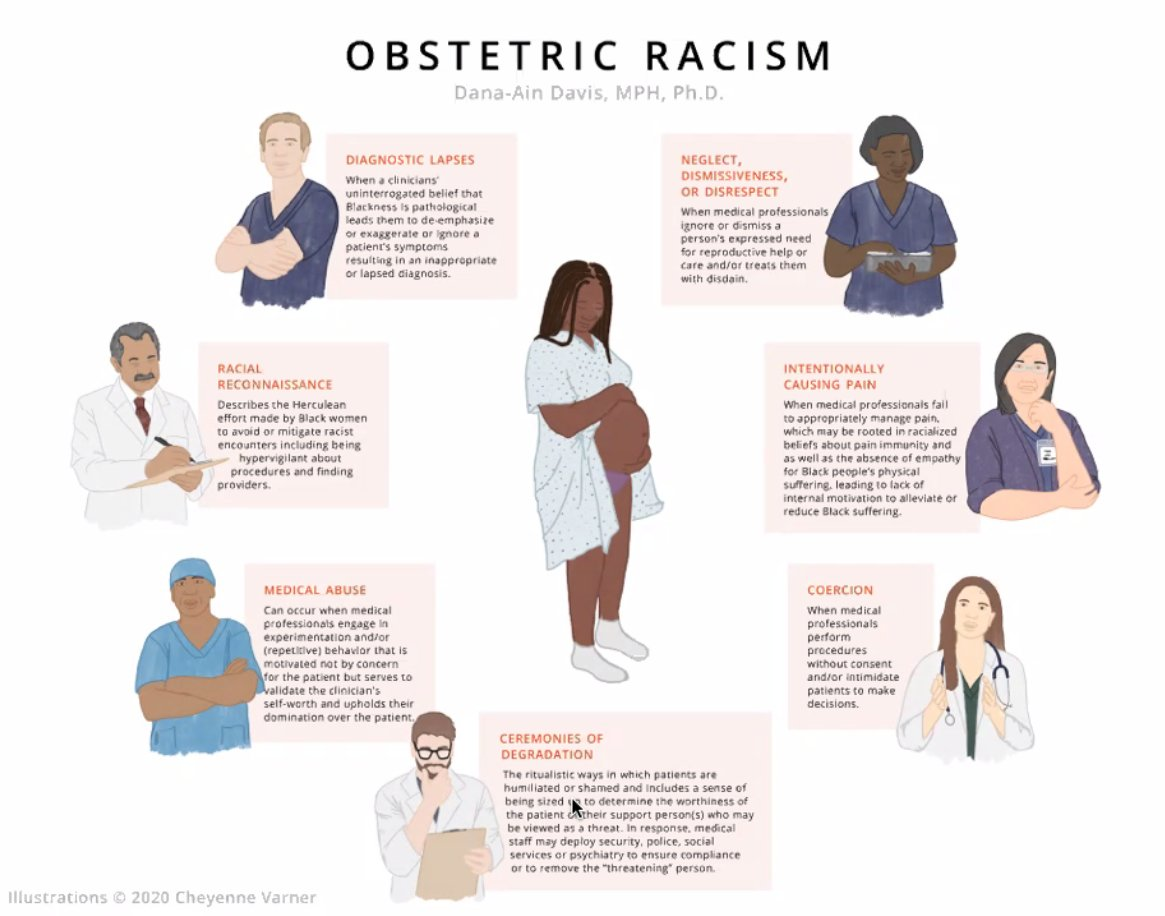
  • Consider reviewing the image below to understand how racism impacts obstetric care
Dr. Lund took part 2 of the presentation to review disparities in maternity care in the US
  • Black women experience far worse outcomes than any other racial or ethnic group. Black women:
    • are 3-4x more likely to die than their white counterparts
    • comprise 13.5% of live births, but 35.5% of pregnancy-related deaths
    • have higher preterm delivery (13.4% vs. 9%)
    • have higher c-section rate (RR 1.23)
    • have higher PPH rates (3% vs. 1.6%)
    • have higher peripartum infection (4.9% vs. 4.1%)
  • Pre-E, diabetes, and and unintended pregnancy are also higher for black women
  • American Indian/Alaskan Natives (AI/AN) are also at risk for adverse outcomes
  • Black and AI/AN infants are more likely to die in their first year of life
    • black infants diet at greater than 2x rate of white infants (11.4 vs. 5.2 per 1000 live births)
California has been working hard since 2006 to reduce our maternal mortality rates, and it's working!
(this graph below shows a decline by 55% 2006 to 2013)
However, despite tons of successful work to reduce maternal mortality, the disparity ratio (black women vs. white women) remains unchanged (see image below):
Dr. Lund also shared some of our local stats at SSRRH
  • ~50% of our deliveries are to Hispanic patients (~ 20% US-born and 30% foreign born)

  • Another 37.5% of our deliveries are to non-Hispanic White identified Patients
  • 4.5% of births to Asian or Pacific Islander patients
  • <2% of our deliveries to non-Hispanic Black identified Patients
  • About 2% “other” which primarily represent American Indian/Alaskan Native patients
  • A full 6% were race/ethnicity “unknown”
Dr. Lund shared important outcomes for our maternity patients, including NTSV c-section rates, maternal morbidity, preterm birth rates, unexpected newborn complications, and exclusive breastfeeding at discharge:
  • Hispanic born US rates of pLTCS are the lowers of all, much lower than state average
  • Non-Hispanic black patient cesarean rates are about 4% higher than almost all others but lower than state average. 
  • Our “other” category (largely AI/AN) exceptionally high NTSV c-section rate. Total # of patients in the “other” category higher than for non-hispanic black but still only about 145 patients over 5 years. 


And for preterm birth:

  • Non-Hispanic Black preterm birth rate is similar to others at our facility and lower than state average, however note that #’s are quite small so should continue to trend over time 11 patients out of 124 patients total in 5 years. 
  • Rate of PTB among white patients higher than the rest of CA
  • “Other” preterm birth rate is quite high, mostly represented by AI/AN individuals, numbers still low 28 patients out of 144 over 5 years. 


What can be done?

Dr. Bacon capped off this week's Grand Rounds presentation with a series of recommendations of how you might engage in local advocacy and beyond to work on birth equity:

  • Individual work: if you are unsure where to begin and/or unsure about what you think about this information, individual work is the place for you
    • consider reading and/or listening to podcasts, listening to the experiences of others (particularly BIPOC), assessing your own personal unconscious bias, and work on retraining your brain on these biases
    • Listen to Dr. Camara Jones
    • Visit Project Implicit
    • I personally recommend Seeing White on Scene On Radio as a good place to start (we have been listening to this as a faculty for our anti-racism work)
  • Institutional work
    • there are lots of robust toolkits and trainings to help guide institutions
    • these might help you help guide YOUR institution
    • try: CMQQ, ACOG/SMFM, https://blackmamasmatter.org/, CDC's Hear Her campaign
    • Locally, attend CEDAWG grand rounds, September 22 Foundations for Health Equity Workshop, UCSF Differences Matter, Trauma informed care trainings
    • Check out the SSRRH Labor Culture Committee (LCC) at SSRRH (inquire with Julie Barajas or 
  • Community Work
    • Workforce development, pipelines
    • Community health workers
    • Doulas
    • Black midwifery
    • Centering pregnancy
  • Statewide and National work
    • Pay attention to what is happening in politics and policy:
      • SB65: a bill that creates a committee to investigate maternal deaths, examines adding a doula benefit to medi-cal funding, and helps low income communities have access to midwifery care
      • California AB4: removing documentation status for Medi-cal benefits
      • Governor Newsom's 2022 budget, which includes California extension of OB Medi-cal to 1 year postpartum
    • Also take a look at commonwealthfund.org Maternal mortality and maternity care project

And more resources:

Jenee Desmond-Harris: Implicit bias means we're all probably at least a little bit racist. https://www.vox.com/2014/12/26/7443979/racism-implicit-racial-bias

Eric Deggans: 'Not Racist' Is Not Enough: Putting In The Work To Be Anti-Racist. https://www.npr.org/2020/08/24/905515398/not-racist-is-not-enough-putting-in-the-work-to-be-anti-racist

Camara Phyllis Jones, MD, MPH, PhD: 


https://www.projectimplicit.net/

CDC Hear Her campaign: https://www.cdc.gov/hearher/resources/download-share/warning-signs-poster.html

ACOG Health Equity Curriculum: https://www.acog.org/education-and-events/creog/curriculum-resources/additional-curricular-resources/health-equity

ACOG CO 649 (2015): Racial and Ethnic Disparities in Obstetrics and Gynecology https://www.acog.org/-/media/project/acog/acogorg/clinical/files/committee-opinion/articles/2015/12/racial-and-ethnic-disparities-in-obstetrics-and-gynecology.pdf

Black Mamas Matter Alliance Toolkit: https://blackmamasmatter.org/resources/toolkits/


Diagnosis and Management of Osteoporosis (Hamann 7/23/2026)

 A recording of this presentation is available HERE .  *** Thanks so much to Dr. Kendal Hamann, SMGR Endocrinologist, for an outstanding Gra...