Showing posts with label autoimmune. Show all posts

Inflammatory Bowel Disease (Memel, 8/19/26)

A recording of this presentation is available HERE.

Thanks to Dr. Memel for a super packed fact-filled presentation on Inflammatory Bowel Disease (mostly focused this time on ulcerative colitis  with an important preamble on nutrition). Thankfully, she is coming back to do Part 1 in December, because we were all on the edge of seats and we didn't get through the whole slide deck and we want to learn more about Crohn's Disease!

My take homes:

  • Ultra-processed foods (containing additives like dyes, emulsifiers, and excess salt) are bad for our gut. In particular, emulsifiers are to be avoided!
  • The Mediterranean Diet is the best for patients with IBD and everything else)
  • FIBER is actually good for patients IBD (contrary to old thinking), just need to modify the texture as needed for tolerance
  • Fecal calprotectin is an excellent screening test for IBD and can be used to trend over time to monitor treatment response
  • 5ASA is mainstay of UC treatment (lifelong), budesonide can be added on for flares (less systemic effects than prednisone)

IBD is an idiopathic autoimmune disease with objective inflammatory evidence>> chronic inflammation is key, and it tends to progress in severity

IBD incidence is rapidly increasing worldwide (in both developing and developed countries). Older adults getting more and more IBD>> keep on ddx

Genetic susceptibility (163 genetic loci identified, very genetically inherited) is an important factor. Crohn's has higher genetic risk than UC. Higher risk of passing to first degree relatives.

Environmental triggers causing patients to express the phenotype. Immune system is "over reacting>> changes in gut microbiome>> expression of IBD. Ultra-processed foods, sugar (highest risk factor for developing IBD). Chemicals that allow foods to be shelf stable are the most problematic part of ultra-processed foods. Excess salt causes inflammation in GI tract. Artificial sweeteners disrupt the microbiome. Once bacteria get past the mucosa>> inflammatory cascade!

Emulsifiers (that allow oil and water to mix) are used widely in the food industry (ice cream, peanut butter) are TERRIBLE for the GI tract. Disrupt a mucous layer causing an inflammatory environment. Try to avoid emulsifiers as much as possible, read labels and look to eat things with LESS chemicals in the food label.


What you can do?

  • Breastfeeding is protective and beneficial to the  microbiome.
  • Pets in the home under 2 benefits children's microbiome (hygiene hypothesis)
  • Mediterranean diet (2023 practice update) is the best diet for people with IBD, first degree relatives less likely to develop IBD
  • People who eat more fruits/veggies/whole grains have less inflammation in their gut
  • Fiber is GOOD for the gut (unless they have a stricture/penetrating disease). All the data suggests them more fiber, less likely they are to flair. Not all fiber is the same. Can cook fruits/veggies and make them softer. Texture can help them be better tolerated (smoothies, cooked veggies)
  • Red meat is bad for the colon-- Crohn's and UC, specifically processed red meats (salami, prosciutto)
  • Dr. Memel says she always starts with breakfast: oatmeal, fruit smoothies (frozen fruit is cheaper, blended is tolerable), chia seeds can be integrated into everything (and cheap at TJs)

Dieticians for IBD:

Crohn's vs. UC


Labs to evaluate a patient with IBD:

  • CRP helpful to track inflammation
  • albumin used to assess severity of inflammation in IBD (albumin can inform the dose of infliximab)
  • enteric pathogen panel important because infection can provoke IBD flare
Fecal calprotectin: protein released by neutrophils. Most helpful in someone with chronic diarrhea and trying to determine if this is inflammatory or not. If normal fecal calprotectin, much likely NOT IBD. Borderline levels can be tricky, trending in 4-6 weeks can be helpful. Very high needs colonoscopy. Used in IBD to trend over time and track in place of colonoscopy.

Mayo endoscopy score, GI uses as standard objective assessment 

UC Treatment has two parts:

1-induction (put out the fire)
2-maintenance (prevent fire from coming back)

Stride 2 guidelines recommend three goals for treatment of patients with IBD:

1-Clinical remission (living life again)
2-Endoscopic remission (no disease evident on colonoscopy)
3-Complete histologic healing (no inflammation on biopsy)

Treatment protocols are driven by risk to progression to colectomy. Low risk involves mild disease with limited anatomic extent. High risk include younger (<40), extensive colitis, severe disease (Mayo 3), elevated CRP, low albumin (admit to hospital for IV steroids)

IF Mild UC>>5-ASA or budesonide

5ASA formulation and rx depends on where UC is anatomically
3 phenotypes: 
  • Proctitis (5ASA suppositories are often good enough), if really struggling can do steroid suppositories as well, can do daily 5 ASA>> taper to qod> taper to q 3 days (for life, otherwise will flare)
  • Left sided colitis (5 ASA enemas can reach further): oral + enema at the beginning, if they don't respond, can add budesonide (selective steroid), budesonide foam can be squirted up the rectum (not as far as an enema but easier to use). For maintenance, oral 5 ASA because patients hate doing enemas the rest of their life
  • Pancolitis (need oral 5 ASA as well): can do oral budesonide + 5 ASA. Very rare risk of AIN (renal function should be checked once a year)
Budesonide used by GI a lot! Added on as a flare treatment Much LESS side effects than oral prednisone (safer, lower risks of systemic side effects). Not as strong as prednisone

Patients should be on lifelong therapy for UC (to prevent flares!!!)


IF Mod-Severe disease>> Tx is Biologics (see chart below)

There are MANY many biologics. Many more than just infliximab (the original anti-TNF). Patients google biologics and get very scared but the options are many and they are much safer than they used to be. See the triangle of safety down below. Dr Memel tells patients now, "The risk of developing colon cancer from recurrent flares is greater than the risk of being on today's biologics".


Decisions about which agent the gastroenterologist will choose are complex, including insurance/comorbidities/physical needs/travel needs, etc. . .

There is still emerging data on how long patients need to be on biologics. . .Dr. Memel tells people that biologics are "life long therapy" due to the risk of relapse/flare. 

Treatment of acute UC flares
-always order stool cultures, including CDiff (infection is risk for flare)
-always order CRP (GI trends daily)
-trend bowel movements (by nursing)
-DVT ppx is important even if bloody bowel movements due to 3-5x increased risk of VTE (flares are inflammatory)
-40-60mg IV methylprednisone in AM (to reduce insomnia)
-check PPD/quant gold  and Hep B serologies on admission (because they take a long time to come back)
-Try to avoid opioids and NSAIDs due to risk of toxic megacolon

Rheumatoid Arthritis Update (Kremer - 8/16/23)

 A recording of this presentation can be viewed HERE.

***

Renoir's Jardin du peintre à Essoyes

Many many thanks to our veteran SMGR Rheumatologist, Dr. Lisa Kremer for a compelling, artsy, and moving Grand Rounds presentation this week on Rheumatoid Arthritis (RA). Immediately after Dr. Kremer's presentation, a fellow primary care physician remarked to me, "I am not sure I have ever heard a specialist say so loudly and so clearly how important the social determinants are on the health of our patients."

Truth. And gratitude. From a primary care perspective, even one who is practicing almost entirely in the hospital these days, so much of health comes down to our social support and our community. Thanks, Dr. Kremer, for highlighting that.

RA is an autoimmune condition that developed in industrial society. Rarely seen before the 1600s, RA has some genetic susceptibilities (e.g. HLA DR4) and is precipitated by infections, environmental toxins (smoking doubles the risk), social and physical stresses, and hormonal triggers. 

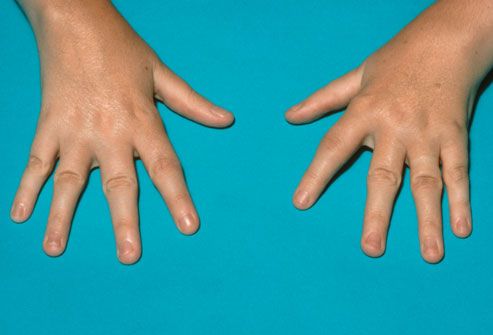
RA is characterized by symmetrical polyarticular swelling of the small and medium joints on more than one occasion, over more than six weeks, supported by lab and/or xray and absence of other diagnosis. The back is not a small joint and is not involved in RA. 


photo source: https://www.nyp.org/healthlibrary/multimedia/

Classic x-ray findings (seen in above image) include loss of alignment of our normally beautiful joints, ulnar deviation, erosion of the MCP and PIP joints, but sparing of the DIP joints.

Exact causes of RA are unknown. There are a myriad of triggers.

  • 1% of the the adult world has RA (1.5 million people in the US)-- the most common chronic inflammatory arthritis
  • 4:1 female to male
  • Peak age onset 40-60 years (but anytime after puberty is possible)
  • All races and geographic areas are affected
  • Specific populations with higher incidence (Native Americans, particularly: up to 10% of Sioux, Algonquian, Pima, Yakima, and Inuit peoples)
  • Renoir's Young Girls at the Piano

While Dr. Kremer presented us with a ton of medical information, she also presented the case of artist Pierre Aguste-Renoir (1841-1919), a French painter in the impressionist movement. She described him as a joyous and radical young man, struck by RA around age 50. His RA seems to have been precipitated by a fall from a bicycle and a resulting arm fracture. A trauma from which he never really recovered. And yet Renoir continued to paint long into his illness-- even designing his own wheelchair and equipment to be able to reach up to his large canvas painting surface. 

We live in a modern environment of autoimmunity

  • lung exposures: tobacco, silica, textile dust
  • chronic gingivitis
  • GI tract microbiome patterns, diet (processed foods, e.g. cheese whiz and bologna)
  • extreme and prolonged social stressors: war, jail, victims of abuse

Laboratory testing in RA is helpful but pretest probability determines the benefit of the test. 

  • Rheumatoid factor (RF) is not specific
  • Anti-CCP is more specific (can actually be positive a few years prior to onset of symptoms, but not always)
  • ANA can be positive
  • ESR and CRP really convey inflammatory cascade
  • (these are used more for research than for clinical application)
Sometimes it can be surprisingly hard to distinguish RA from osteoarthritis (OA). 
RA vs. OA (from PPM here): 

Extra-articular complications of RA only occur only in seropositive patients (i.e. +RF, +CCP ):

  • fever and weight loss (can look like cancer)
  • nodules (can be anywhere: eyes, heart, etc)
  • interstitial lung disease
  • pleuro-pericarditis
  • CAD
  • malignancy (specifically lymphoma)
  • infections (like pneumonia)
  • a variety of hematologic abnormalities (anemia, thrombocytopenia)
  • osteoporosis
Prognosis and Disability:
Untreated, RA shortens life by 5-10 years. Aggressive RA therapy decreased mortality due to CV disease, lung, alanto-axial subluxation, and drug toxicity (e.g. steroids, NSAIDs). Treatment reduces the need for joint replacements by 50%.

In 1975, 50% of people with RA were disabled within 3 years; current estimates that 33% of people will be disabled (i.e. leave the workforce) within 5 years. Fatigue and unpredictable joint symptoms are frequently the most disabling issues. We should feel comfortable and confident filling out paperwork for our patients with RA. Their symptoms will wax and wane unpredictably.

Auto Amplifying loops
RA, like many autoimmune disease, consists of auto amplifying loops. Destruction of cartilage--> thickened synovium--> unstable tendons--> immune complexes--> extreme fatigue
Our current therapeutics have been created in direct response to this immunology. Treatments for RA are named for their immune targets. Note that methotrexate is still mainstay treatment for RA and steroids should only ever be given for short-term management. The combination of methotrexate and TNF inhibitors can actually stop all disease progression!
  • Antimetabolites: Methotrexate (worldwide, best treatment for RA), Leflunomide
  • TNF: Adalimumab, Etanercept, Infliximab
  • IL-6: Tocilizumab
  • Co-stimulation (CD28-CD80/86): Abatacept
  • B cell depletion (anti-CD20): Rituximab
  • JAK inhibitors: Tofacitinib, Baricitinib
  • IL-1: Anakinra

Lifestyle matters!
This was perhaps the most compelling part of Dr. Kremer's talk. It turns out that these wonderful, effective meds are less effective if not used in combination with attention to a patient's life. 
  • diet, exercise weight management
  • tobacco cessation and limited alcohol
  • stress management
  • community and social support are key

And finally, Dr. Kremer's pearls of wisdom:
Image result for renoir wheel chair
  • Deformity does not equal disability
  • RA does NOT cause back pain
  • Never order tests if you don't know what you are looking for
  • Low SES is associated with onset and severity of RA
  • Smoking DOUBLES the risk and worsens the progression
  • RA is "soft and spongy" (not hard and bony like osteoarthritis)
  • A positive RF is not diagnostic, it should prompt you to keep looking for a diagnosis
  • DIP joints are almost always spared
  • If after careful exam and lab testing, you suspect RA, refer early to rheum for treatment!


Rheumatoid Arthritis Part 1 (Kremer, 2/26/2020)

Image result for rheumatoid arthritis hands
Dr. Lisa Kremer gave a wonderful Grand Rounds this week on Rheumatoid Arthritis. To be clear, RA is not a topic that normally gets me out of bed in the morning. But Dr. Kremer's presentation was so good that I found myself wishing for it not to end. Or for Part 2 to follow asap.  And even several hours later, in the chaos of a busy day in the hospital, I found myself considering this strange disease-- rarely seen before the 1600s, now quite common, terribly disabling, and brought about by a "perfect storm" of genetics, environment, and stress.


RA is characterized by symmetrical polyarticular swelling of the small and medium joints on more than one occasion, over more than six weeks, supported by lab and/or xray and absence of other diagnosis. Exact causes are unknown. Multiple triggers.

Dr. Kremer described RA as an autoimmune condition, with some genetic susceptibilities (e.g. HLA DR4), for which smoking doubles the risk. RA can be precipitated by infections, environmental toxins, social and physical stresses, and hormonal triggers.

  • 1% of the the adult world has RA (1.5 million people in the US)-- the most common chronic inflammatory arthritis
  • 4:1 female to male
  • Peak age onset 40-60 years (but anytime after puberty is possible)
  • All races and geographic areas are affected
  • Specific populations with higher incidence (Native Americans, particularly: up to 10% of Sioux, Algonquian, Pima, Yakima, and Inuit peoples)

Image result for renoir portrait bezille
And while Dr. Kremer presented us with these data and more, she also presented the case of Pierre Aguste-Renoir (1841-1919), a French artist and a leading painter in the impressionist movement. She described him as a joyous and radical young man, struck by RA around age 50. His RA seems to have been precipitated by a fall from a bicycle and a resulting arm fracture. From which he never really recovered. And yet Renoir continued to paint long into his illness-- even designing his own wheelchair and equipment to be able to reach up to his large canvass painting surface. 

Dr. Kremer espouses that Renoir is a particularly excellent painter of hands. Perhaps he spent a lot of time thinking about hands. And looking at them. . .

Laboratory testing in RA is helpful but pretest probability determines the benefit of the test. 

  • Rheumatoid factor (RF) is not specific
  • Anti-CCP is more specific (can actually be positive a few years prior to onset of symptoms, but not always)
  • ANA can be positive
  • ESR and CRP really convey inflammatory cascade
RA vs. OA (from PPM here): 
Image result for table V differentiating rheumatoid RA from generalized osteo
Extra-articular complications of RA only occur only in seropositive patients (i.e. +RF ):

  • fever and weight loss (can look like cancer)
  • nodules (can be anywhere: eyes, heart, etc)
  • interstitial lung disease
  • pleuro-pericarditis
  • CAD
  • malignancy (specifically mymphoma)
  • infections (like pneumonia)
  • a variety of hematologic abnormalities (anemia, thrombocytopenia)
  • osteoporosis
Prognosis:
Untreated RA shortens life by 5-10 years. Aggressive RA therapy decreases mortality risk due to CV disease, lung disease, and more (more on this next time). Treatment reduces need for joint replacement byup to 50%.

Disability:
Over 33% of RA patients working at the time of diagnosis will leave workforce within 5 years
Fatigue and unpredictable joint symptoms are frequently the most disabling issues

And finally, here are Dr. Kremer's pearls of wisdom:
Image result for renoir wheel chair
  • Deformity does not equal disability
  • RA does not cause back pain
  • Never order tests if you don't know what you are looking for
  • Low SES is associated with onset and severity of RA
  • Smoking DOUBLES the risk and worsens the progression
  • RA is "soft and spongy" (not hard and bony like osteoarthritis)
  • A positive RF is not diagnostic, it should prompt you to keep looking for a diagnosis
  • DIP joints are almost always spared
  • If after careful exam and lab testing, you suspect RA, refer early to rheum!
Stay tuned: Dr. Kremer will present Part 2 (Rheumatoid Arthritis: Treatment) in July or August of 2020. Keep your eyes out! And don't miss it.

Understanding Hospice Care (Saeed, 9/30/26)

A recording of this presentation is available  HERE .