Showing posts with label pharmacy. Show all posts

Tumor Lysis Syndrome (Truong, 11/19/2025)

 Thanks so much to our Pharmacy Resident, Lam Truong, who gave an excellent Grand Rounds this week on Tumor Lysis Syndrome.

Recording will be posted HERE when available. 

In the meantime, enjoy the cliff notes (thanks Cherie Green!)

Tumor Lysis Syndrome

  • Oncological emergency from rapid breakdown of malignant cells leading to massive release of intracellular contents into bloodstream
  • Overall in hospital mortality is 21%
  • Most common in NHL(30%) > solid tumors (20%) > AML (19%)> ALL (13%)
  • TLS can either present at initial dx with very aggressive tumors (usually lymphomas/leukemias but occasional very aggressive solid tumors), OR onset can be 3-7 days after chemotherapy - so patients with upcoming chemotherapy get labs 3 days prior to chemotherapy both to make sure they are not already in TLS and to compare post-chemo labs


Diagnosis: Prompt recognition and tx are essential….

4 Lab abnormalities for dx: 

Hyperkalemia (tumor cell lysis), Hyperphosphatemia (cell lysis), Hyperuricemia (from breakdown of DNA/RNA-crystal nephropathy), and Hypocalcemia (binds the excess phosphate)

Result:AKI (uric acid crystals, direct cytotoxicity), cardiac arrhythmias (hyperK), and seizures (metabolic disturbances), neuromuscular dysfunction (rigidity)

Symptoms: n/v/d, weakness, muscle cramps, paresthesias, seizures, arrhythmia, hypotension, HF, syncope, oliguria, hematuria, edema, joint pain - so keep your differential broad if patients present with these sxs!


Causes: chemo causing cytotoxic effects, molecular targeted therapies and immunotherapies, can occur spontaneously in setting of large tumor burden even in absence of treatment initiation


Monitor Uric acid, K Phos, Ca, Cr, LDH (high LDH represents rapid cell turnover)


Prevention of Tumor Lysis Syndrome:

Hydration protocol, closely monitor UO, dc nephrotoxins, stop all K agents 

Hypouricemic Agents for prevention and tx

Allopurinol xanthine oxidase inhibitor used in intermediate risk patients, prophylaxis in TLS but has slower onset than…

Rasburicase recombinant urate oxidase inhibitor for high risk patients and tx of active hyperuricemia works rapidly (risks: hemolytic anemia in G6PD deficiency). Loading dose 3 mg IV x 1 


Management: Use Tumor Lysis Order Set 

  • Look at criteria and lab monitoring - some need additional doses of rasburicase and q6 hr labs
  • HyperK: use protocol
  • Hyperphos: treat first with binders and concurrently treat hypocalcemia
  • HypoCa: look on the line above, don't treat first. Treat Phos first!
  • HD for usual indications (refractory hyperK, fluid overload, etc)


Advancements in GLP-1 Receptor Agonists: Where we are and where we're going (Felton, 2/19/25)

 A recording of the presentation is available HERE.

***

Many thanks to Dr. Erin Felton for an excellent presentation on a hot topic: GLP-1 Receptor Agonists, the class of medications that is literally taking our nation by storm. As Dr. Felton said during her presentation, direct to patient advertising and word of mouth has led to droves of patients coming to their providers asking for these medications, most commonly, for weight loss. 

A recording is available above.

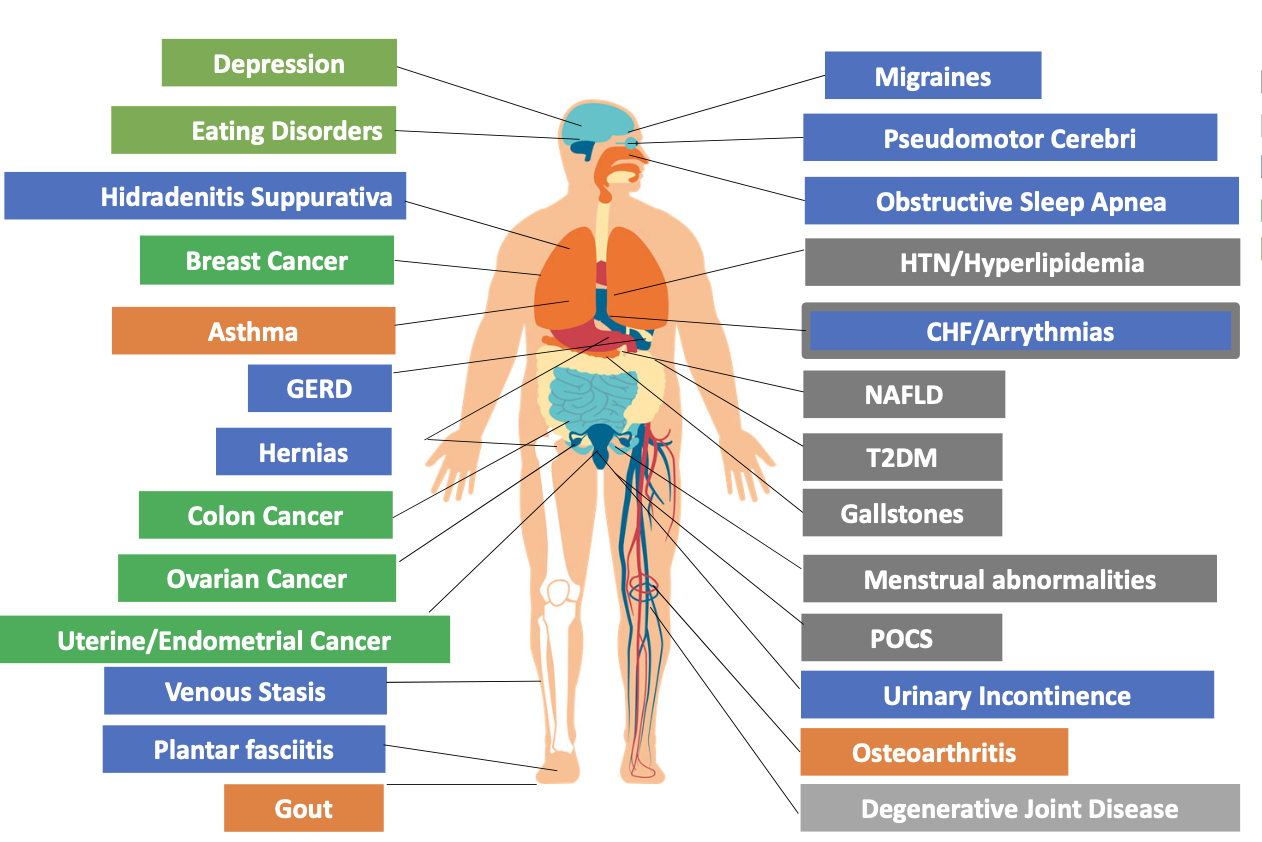
comorbidities associated w/obesity

Here are my notes:

  • obesity is a chronic, relapsing , treatable multifactorial disease
  • it is associated with comorbidities (e.g. HF, DM2, uterine cancer) and complications
  • BMI, as we know, is not a perfect measure, but it's what we currently have
  • According to 2023 CDC data: 1/5 US adults are obese
  • By 2030, there are estimates that 1/3 US adults will have a BMI>30
  • There are racial and socioeconomic disparities associated with obesity
    • these are particularly evident in communities of color (black and Latinx)
We must be aware of our own "fat bias" in medicine
  • always ask patients for permission before discussing their weight
  • give patients a right to decline weighing in
  • focus on chronic disease aspect of obesity (rather than weight)
  • consider how to create a supportive environment for obese patients
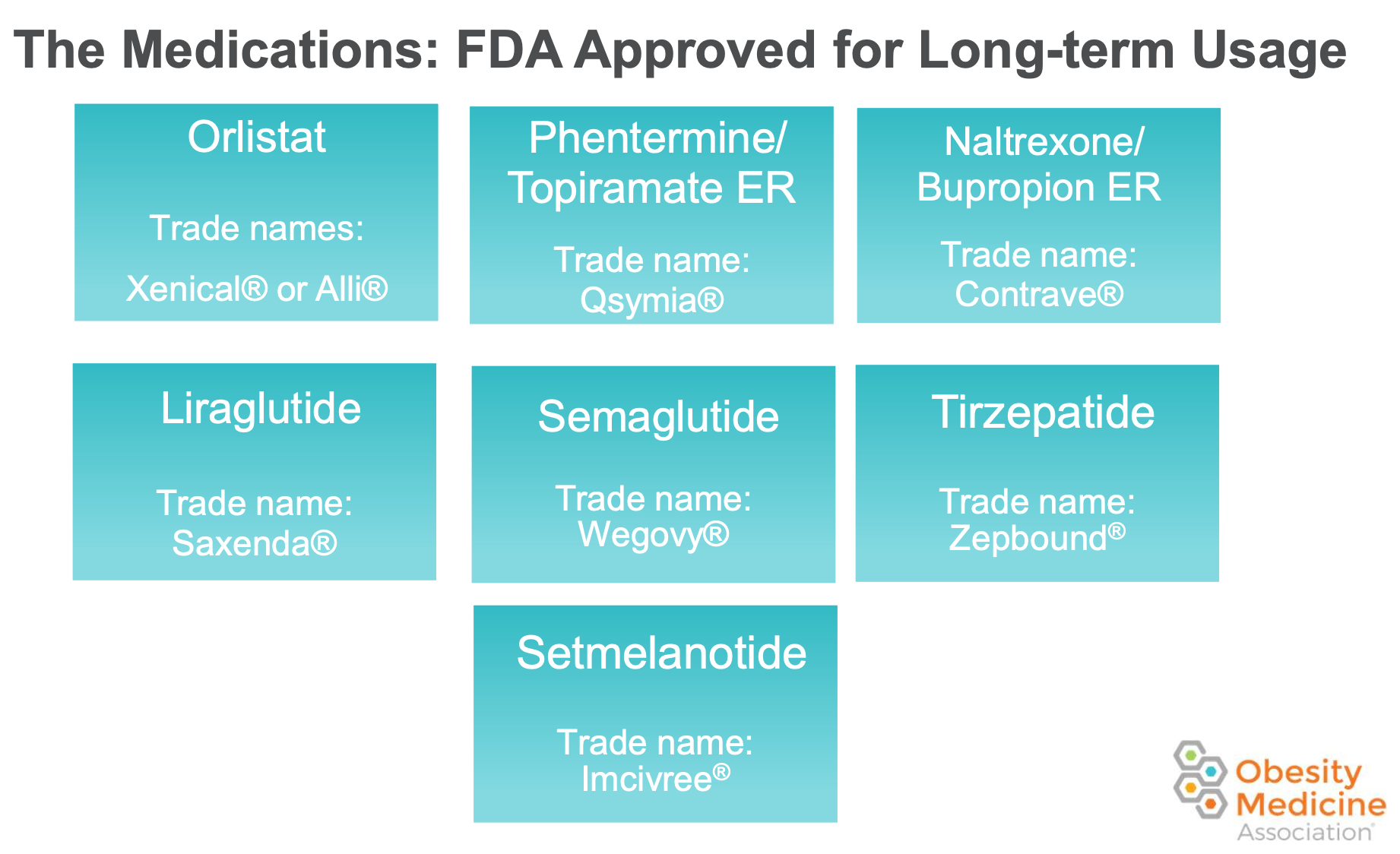
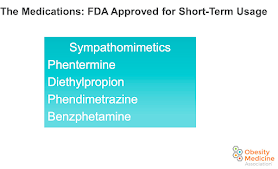
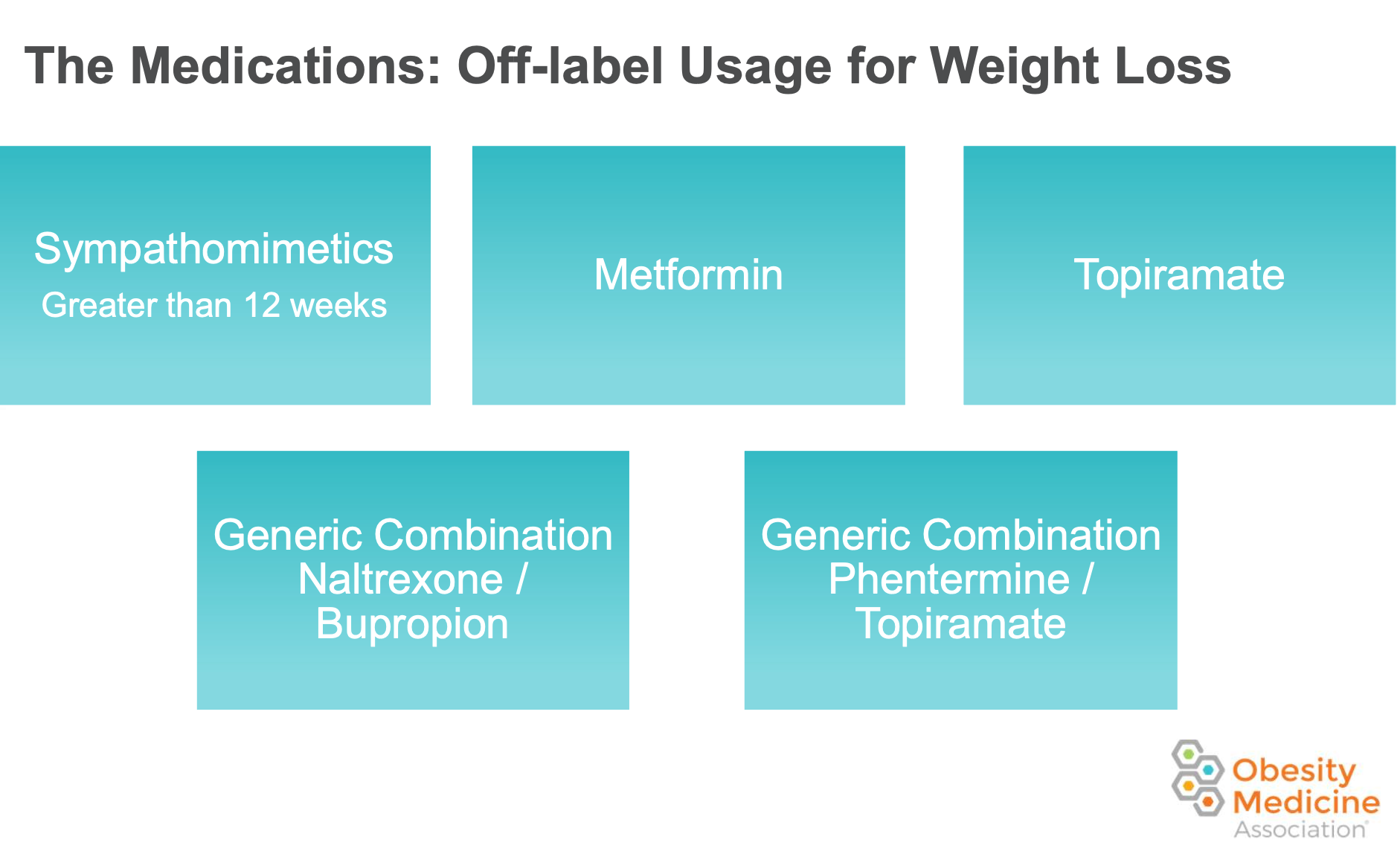
There are several FDA approved medications for obesity, the GLP-1 Receptor Agonists are the new kids on the block, but see the image below for all meds that are currently approved for long-term usage, short-term usage, and off label usage:
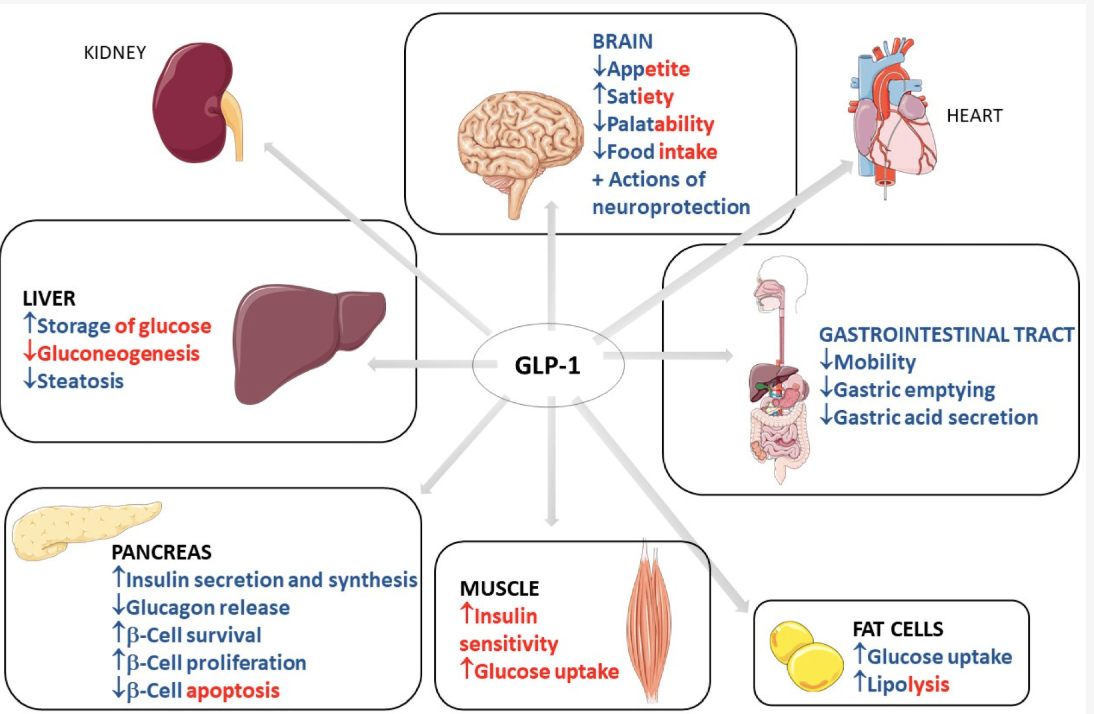
GLP-1 is an endogenous incretin hormone that is produced by the L cells in the distal ileum and colon in response to food intake. GLP-1 receptor agonists mimic this mechanism. In addition, GLP-1 receptors are expressed in multiple organs: GI tract, pancreas, hypothalamus, brainstem, heart, kidney, muscle, fat cells. It is thought that effects on the brain influence appetite and satiety. Receptors in the GI tract decrease gastric emptying and slow gastric motility.


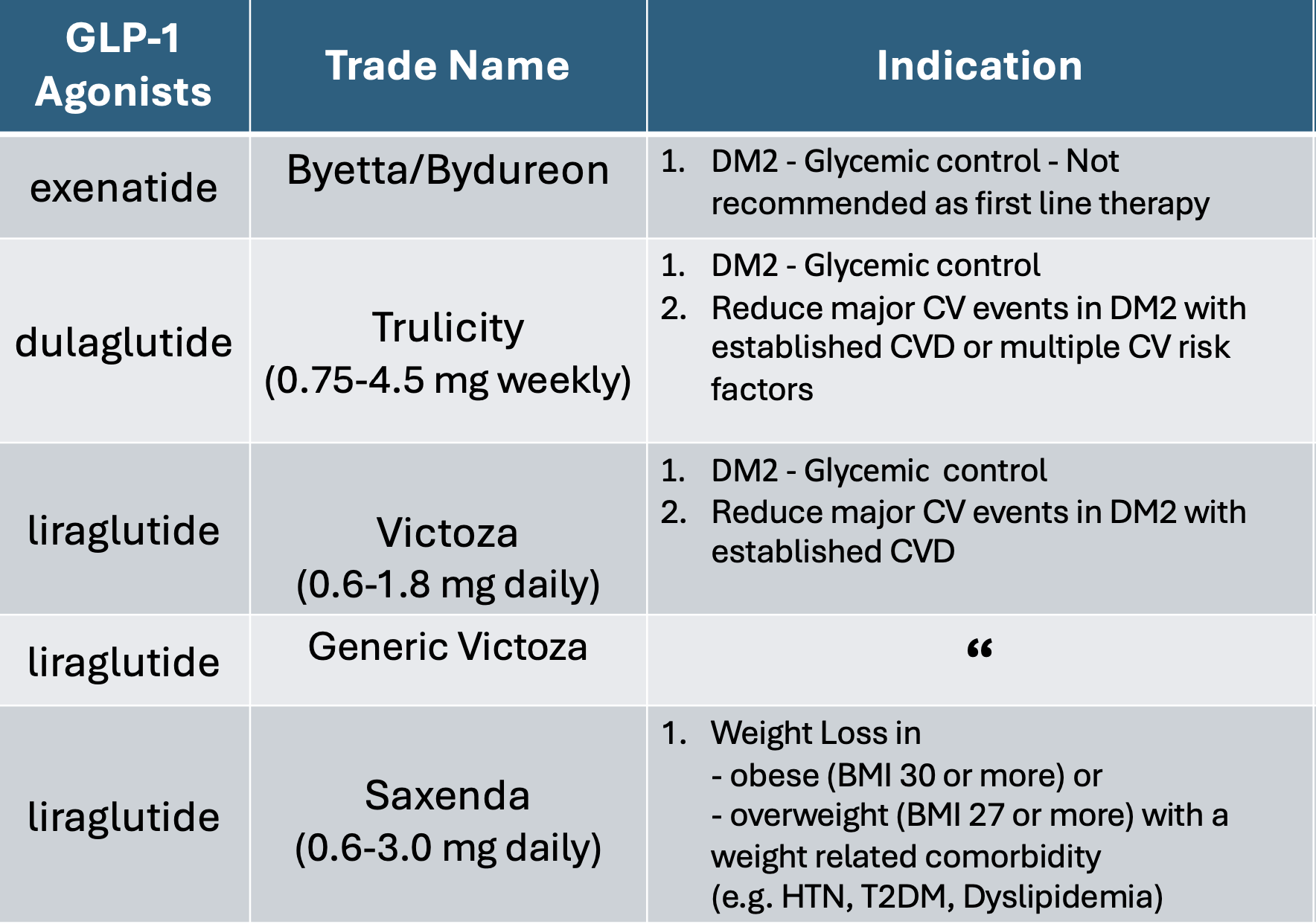
Current GLP-1 Receptor Agonists:

Murphy EJ,”What’s new in Endocrinology”, Medical Management of HIV Conference, 2024


The newer kid on the block are multi-targeted incretin therapies, including GIP, which is secreted more proximally in the small intestine; it stimulates downstream GLP-1, enhances insulin, promotes satiety and seems to be associated with less nausea.
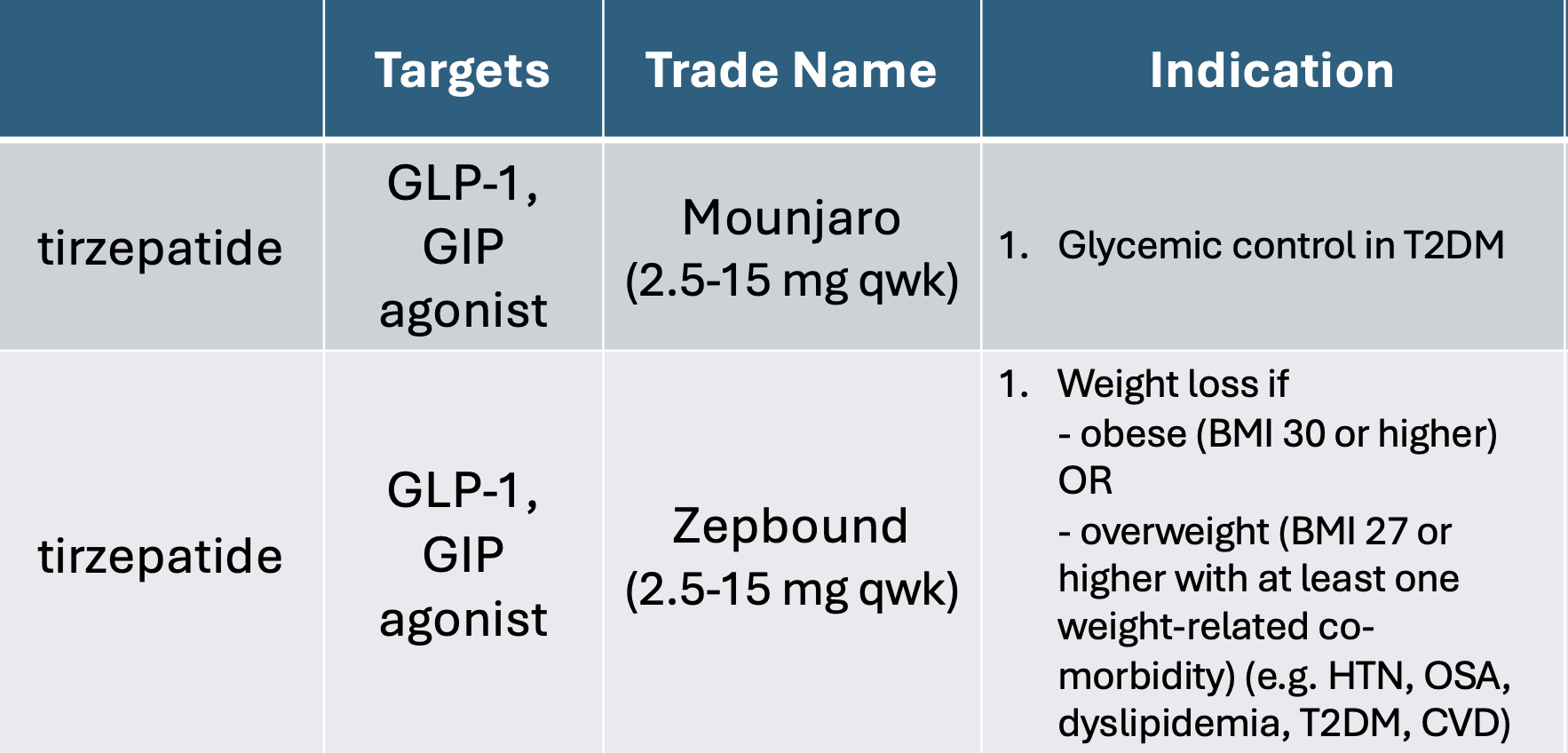
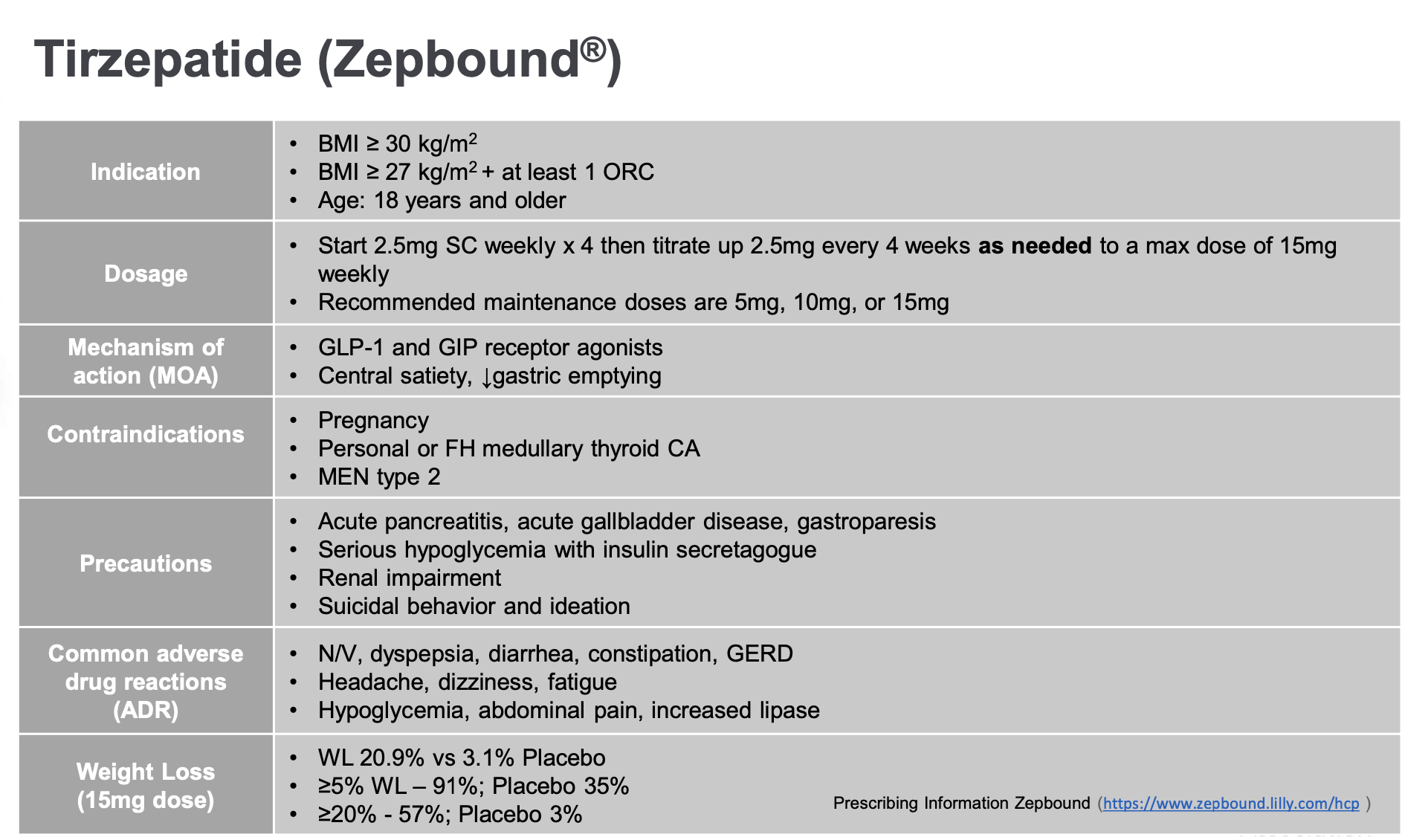
The newest agent, tirzepatide, is a combo of GIP/GLP-1. There are currently two versions of tirzepatide on the market: Mounjaro (indication: DM) and Zepbound (indication: weight loss). Zepbound is currently covered by Partnership medi-cal.

Current combos/multi-targeted incretin therapies:

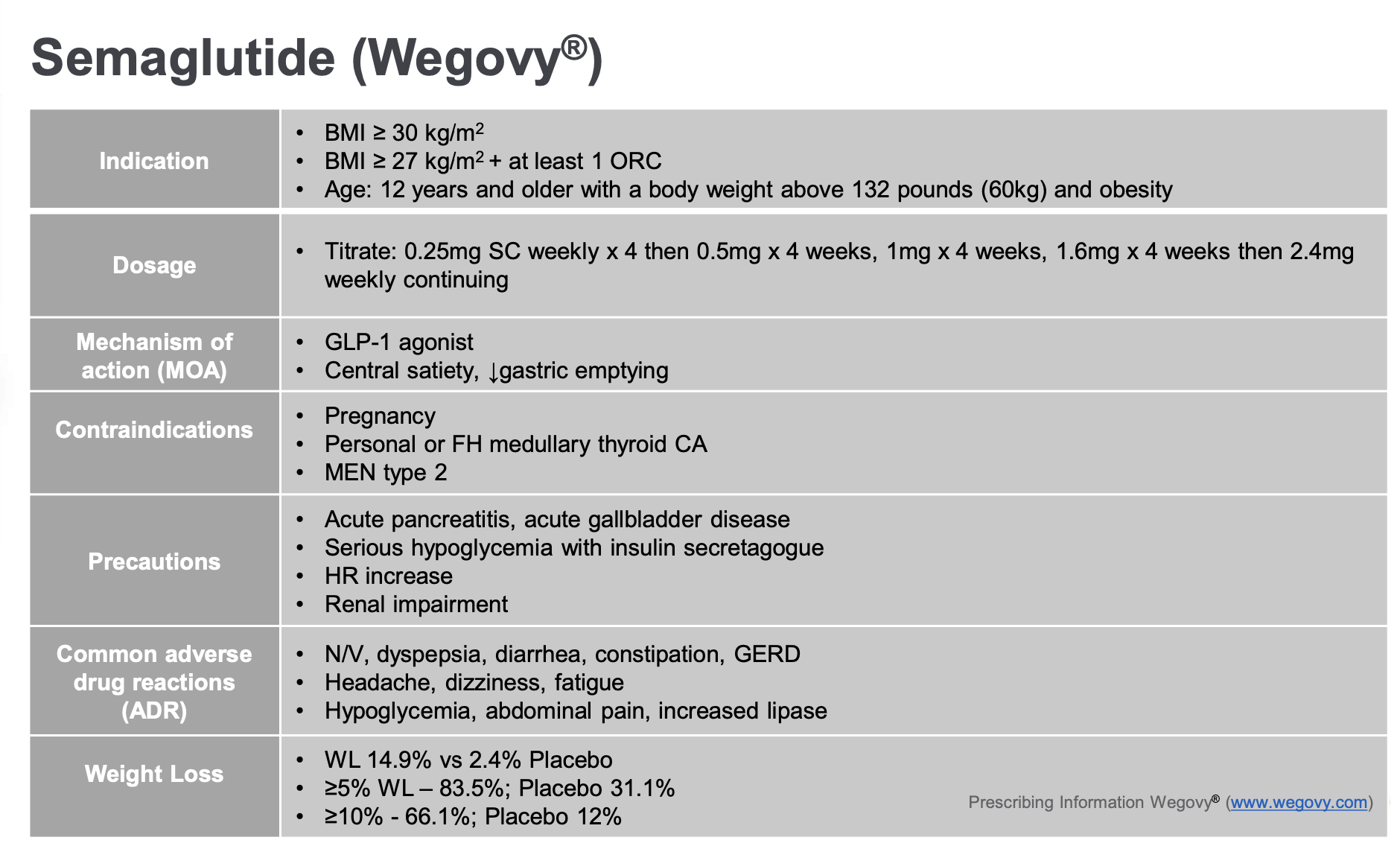
Specific prescribing info for semaglutide and tirzepatide:

There are no direct head to head trials comparing semaglutide to tirzepatide.
Indirect comparisons suggest more weight loss with tirzepatide, as well as potentially lower side effect profile.

Side Effects
We should definitely be talking to our patients about side effects when we are prescribing these medications.

The most common side effects of GLP-1 medications are GI symptoms (nausea, vomiting, constipation, etc). GI symptoms are extremely common (25-40%) but do decrease over time. In many trials, a large percentage of people self-discontinued the medications due to side effects. 

Going slow can mitigate the GI side effects, as they do abate over time. Reducing meal size and adopting a low fat (and low glycemic index) diet can also reduce side effects. Patients should have some nutritional counseling (even if it's just from the PCP). Increasing fiber may also help. 

Dizziness and dehydration have  also been reported. This could be due to morning hypoglycemia. Small frequent meals and maintaining good hydration are recommended.

As mentioned above, the newer combination medications MAY be better tolerated.

Contraindications:
Contraindications to these medications include: medullary thyroid cancer/MEN2, pregnancy, hx pancreatitis or gallstone disease (relative/not absolute). Of note, there was some post-marketing signal in 2023 suggesting a correlation with suicidality, further assessment in 2024 did not confirm this signal, but consider ongoing assessment in patients with a hx of depression or SI. 

Starting/stopping
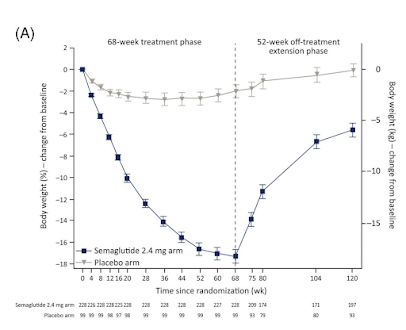
There is good evidence that discontinuing GLP-1 meds lead to gaining back a large percentage of weight that was lost (though overall, pts do maintain a small percentage of weight lost). A retrospective cohort study of 125K patients, just released in 2025 found that 53% of patients and 72% of patients had discontinued these medications at 1 and 2 years, respectively. Somewhere between 1/3 and 1/2 of these patients  resumed these medications within 1 year of stopping.

Wilding et al, Step 1 Extension, Diabetes Obes Metab 2022

About insurance:
  • Medicare specifically does NOT cover weight-loss drugs. However, as of 3/24, Medicare will cover semaglutide for obese patients for CVD prevention IF they have documented CVD (e.g. prior MI, PVD, etc)
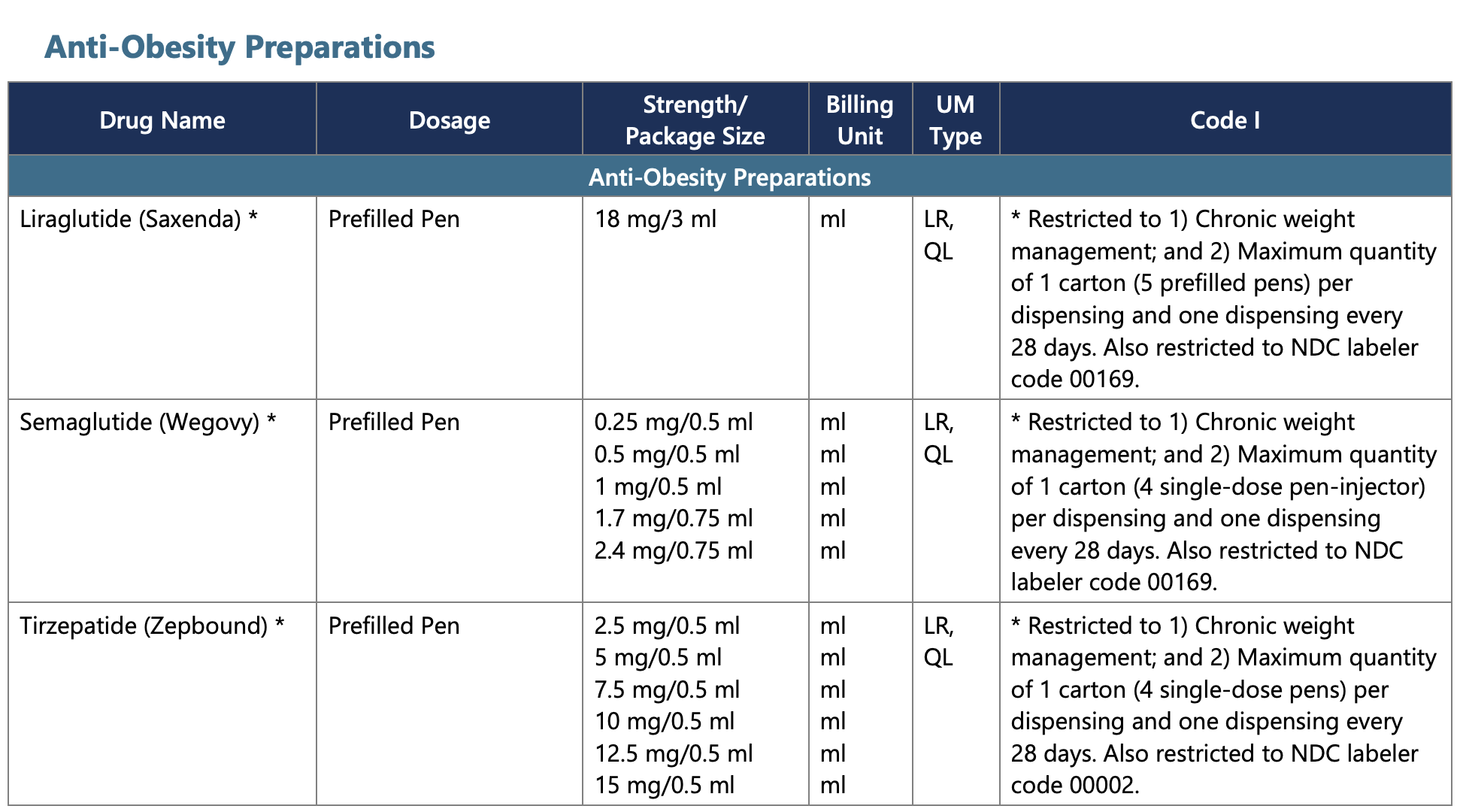
  • Only about 20% of Medicaid programs cover weight loss drugs (Medi-Cal does! See the image below showing the current PHP covered medications)
  • Only about 25% of employer-based insurance cover weight loss drugs
  • Locally, Kaiser does NOT cover weight-loss drugs unless you have another specific indication (e.g. DM2, HFrEF, CVD)
  • There has been varying pharmacy supply

Patient Counseling pearls
  • There is significant weight regain after discontinuation of GLP1s, though studies so far have still showed a net loss. 
  • Most patients who newly initiate treatment with GLP RA discontinue within 2 years. 
  • High burden of GI side effects, gets better with time.
  • Need for long term therapy due to weight regain?
  • Other factors for adherence: high cost, availability of medication
  • All studies done at target dose of 2.4mg
Finally, there are more and more studies being published showing benefit in outcomes other than weight loss. These include CVD, OSA, MASN/MAFLD, dementia, Parkinson's, disease, as well as substance use disorder. Stay tuned. 

Thyroid Hormonal Disease (Magnotti, 4/17/2024)

 A recording of this presentation is available HERE.

***

Thanks to Dr. Mike Magnotti, SMGR Endocrinologist, for an excellent presentation on Hypo and Hyperthyroid. This was a jam-packed presentation. Check out the link above or my notes below.

Hypothyroidism

Hypothyroidism is characterized by non-specific and relatively common constellation of symptoms, including fatigue, weight gain, mental cloudiness, cold intolerance, etc. Plenty of people with these symptoms believe they have thyroid disease (and will even feel better on thyroid replacement), but this doesn't mean they actually have thyroid disease. 

Of note, weight gain is a known symptom of hypothyroidism, but obesity is not generally caused by hypothyroidism. Treating a patient's hypothyroidism can help mood, mental acuity, and focus but likely little (if any) weight loss.

Also of note, alopecia 2/2 hypothyroid takes a very LONG time to get better -- 6 months to 1 year, even with normalization thyroid hormone. Patients need to either be patient or use another med (e.g. Rogaine) in the meantime.

The only test you need to diagnose hypothyroidism is TSH. A normal TSH range is 0.5 to about 5 and excludes thyroid disease (except in very rare cases). Always want to check twice (there are lots of transient highs that can self-resolve), on repeat TSH, also check FT4, consider thyroid antibodies (not recommended in guidelines). Ft4 distinguishes between subclinical and clinical hypothyroidism. Antibody results do NOT change treatment, but can be helpful to patients to know WHY they have hypothyroid. No need to monitor antibodies -- levels change due to immune system activity and do not indicate illness state. 

High TSH, low FT4--> overt hypothyroidism, treat with levothyroxine

High TSH, normal FT4--> subclinical hypothyroidism, consider treatment**

If thyroid antibodies are elevated, dx is most likely Hashimoto's thyroiditis

TSH increases with age. A TSH of 6-8 may be normal in patients >70 years old; TSH can also be low in younger people (0.3-0.5 can be normal in young).

**Treat patients with subclinical hypothyroidism if they have symptoms, if TSH>10 (even no symptoms because of reduced risk CAD), TSH 7-10 if under 65. Only treat elderly patient <7 if you really believe they are symptomatic. 

Note: Biotin supplements alter the ability of the assay to detect thyroid hormones (it doesn't change actual thyroid hormone). Must be high dose biotin-- e.g. those in hair and nail formulations. Should avoid products with biotin 3 days before the assay. Biotin generally makes people look hyperthyroid (Low TSH, high FT4)

Treatment of hypothyroidism

Treatment of hypothyroidism is Levothyroxine (T4)

1.6 mcg/kg/day is the FULL replacement dose of thyroid hormone (patients with NO thyroid will need this full dose)

    • If older patient, start slow to avoid cardiac issues, arrhythmia
    • Younger person with a very HIGH TSH probably needs most of the high replacement dose right up front. If they have a lower TSH, can start with 1/2 the dose
  • take 30 minutes before food, 4 hours before calcium/iron/vitamin (absorption). 
  • brand does NOT matter unless someone has intolerance to fillers/dyes in a certain brand
    • Tirosint brand is a gel cap formulation with no filler, also liquid version, theoretically has least likelihood of having adverse reaction, but very expensive
    • For rare patients who are super sensitive to batch variations, use the same brand to maintain consistent
  • Only use TSH to monitor (goal is anywhere in the normal range), titrate to patient's feeling about how they feel
    • no need to monitor T3 levels, which vary more with stress and illness (helpful in hyperthyroidism)
  • Never use T3 alone! Our system has no way to regulate T3 levels in our body. T3 is the more active form. There is internal regulation of conversion T4>T3 (e.g. hospitalized patients have inhibition of conversion, normal stress response), but T3 is unregulated.
T3/T4 combination not generally recommended as first line treatment because most people feel fine on T4 alone. T3 is converted to T4 via deiiodinase. There are some (rare) patients with reduced ability to convert T4 to T3 (no ability is not compatible with life). Most people feel better on T3 because it gives them more energy. T3 makes people feel better like caffeine makes people feel better. 
  • Most trials adding T3 to T4 show no benefit, though a few studies show some benefit. Hard to quantify symptoms energy, focus, sleep. Some people feel a rush when they take T3. 
  • Consider adding T3 if patients are not better on T4 (but not an excessive amount)
  • T3 has a very short half-life (needs to be taken am/pm, e.g. 7am, 3pm)
  • Armour thyroid formulation (pig and cow thyroid) contains more T3 than normal human (4:1 ratio T4:T3 in Armour, humans generally have T4: T3, 13-16:1)
    • if you check T3 levels, you will see relatively high T3, low T4 and normal TSH
    • more variability from batch to batch (higher risk over-replacement)
    • Dr. Magnotti generally does not recommend Armour, unless a patient is stable on it and you are just continuing it
  • If you want to give T3, should dose separately
    • T4 is 4x potent as T3
    • Goal is maintain ratio T4/T3 13-16:1, e.g. 5mcg T3, 75mcg T4
    • T3 only comes as 5mcg and 25 mcg. Generally don't use 25mcg pills
  • Do NOT use T3 in pregnancy (doesn't cross placenta, so mom can be euthyroid and baby can be hypothyroid)
  • Only monitor via TSH, symptoms
Secondary hypothyroidism is VERY rare. Unlikely to be de novo or surprising diagnosis. Patients with known pituitary tumor, history of pituitary or sella radiation, other pituitary hormone deficits (prolactin, LH, FSH). In these rare patients, TSH is useless. You treat using FT4 to monitor, goal mid normal.

Hypothyroid in pregnancy
  • As soon as woman is pregnant, increase the dose up front 20-30% (right away) because risk of hypothyroidism on the fetus is WAY higher than hyperthyroidism 
  • Check TSH q4 weeks (up through the second trimester)
  • No T3 alone in pregnancy 
  • Current goal in pregnancy is TSH<2.5
  • Immediately after delivery, back to usual delivery
  • Recheck TSH 8-12 weeks post partum (not too soon) because lots of women have post partum thyroiditis, which can confuse things and make you worried they have levothyroxine too high
  • Let patient symptom guide 
If patient diagnosed with hypothyroidism during pregnancy. Guidelines vary about screening. 
BUT . . .
If TSH>4, treat
If TSH <2.5, no treatment
If between 2.5-4, check TPO, especially if recurrent miscarriage.
Starting dose based on level of TSH. If above 15-20, be more aggressive
Recheck 4 weeks even though not fully equilibrated.

***
Hyperthyroidism can definitely be more complex than hypothyroidism; there are more causes to consider, and the treatment is more nuanced.

Best first test for hyperthyroidism is TSH.
  • If TSH is LOW, check BOTH FT4 and FT3 (elevations in either can cause overt disease),
    • Also check TSI and/or TRAB (same test, different assay). 
    • If Ab positive, your patient almost certainly has Grave's disease.
  • If TSH is LOW, but BOTH FT4 and FT3 are normal>> this is by definition, subclinical hyperthyroid. 
    • Treat subclinical hyperthyroidism if TSH<0.1 (or <0.3 if older, atrial fibrillation).
    • CV risks of hyperthyroidism are definitely increased when TSH<0.1.
  • If TSH is NORMAL with elevations in FT4 or FT3, this either secondary hyperthyroidism (VERY very very rare) OR T4 resistance (genetic)
    • Refer to endocrine.
Additional lab findings: isolated elevation in alk phos is common with significant hyperthyroidism, will go down when treated. Transaminitis can be caused by methimazole but sometimes is also seen in hyperthyroidism.

Causes of hyperthyroidism
Grave's disease is by far the main cause of hyperthyroidism (75-80%, especially in younger patients), toxic multinodular goiter relatively more common in older population, also single functional nodule. Knowing the cause of hyperthyroidism doesn't impact who needs to be treated but can influence treatment decisions. 
  • +TSI and no palpable nodules on exam (usually sizeable on exam, 2-4 cm) >> patient almost certainly has Grave's disease (no scan needed)
  • -TSI and/or no nodules on exam >> need uptake scan (to r/o functional nodule)
  • If palpable nodule>> need both ultrasound and uptake scan
    • Toxic multinodular goiter usually is HUGE, nodular on exam

NOTE: If TSH is NOT close zero, the radioactive uptake scan is not reliable (even at 0.2 or 0.3, scan will generally be normal). If you cannot get uptake scan, ultrasound can be helpful (even without nodules). they evaluate blood flow. If blood flow is low, likely thyroiditis. High blood flow, likely Grave's. 

If no uptake>> likely dx thyroiditis (unless people taking iodine supplements, kelp, seaweed, or recent contrast in last 3 months. Amiodarone can also cause no uptake, even 3 months after taking it.
If normal or increased uptake>> dx Grave's
If uptake in single nodule>> dx toxic solitary nodule
Patchy uptake all around >> toxic multinodular goiter

Treatment of hyperthyroidism
3 options: methimazole, iodine (I-131), thyroidectomy. Beta blocker for symptom management

Methimazole is first line for most causes. 

Methimazole 10 mg/day, 20 mg/day, 40 mg/day for mild (<2x ULN), mod (2x ULN), severe (>2x ULN) disease, respectively. Taper down to 5-15mg (usual maintenance dose). Leave people on methimazole for 1-2 years before stopping. Want to be sure to have negative TSI (antibody) if they have positive to begin with. Don't stop methimazole in anyone who still has antibody at the receptor (+TSI is causing the hyperthyroidism).

There are some exceptions.
  • Iodine should be considered for young women who desire pregnancy and people without eye disease
    • Younger women who desire pregnancy may benefit from treatment with iodine treatment because methimazole can take years to get into remission. 
    • Can get pregnant 6-9 months, need normal TSH (with levothyroxine). 
    • Even after 3-4 years, with methimazole may not be in remission. Delays childbearing.
  • Iodine is also great for single toxic nodule because people will come out euthyroid. Likely curative. Normal gland not affected. 
  • Very severe hyperthyroidism in a younger person, especially with a large gland, they are very unlikely to have long-term remission at all with methimazole. Consider iodine vs. surgery.
  • Surgery may be best option if need to get thyroid hormone levels down quickly. It will still take weeks (body has to metabolize FT4 already floating around)
    • Consider surgery in case of: 1) very large goiter,  2) need for rapid correction, 3) concern for malignancy, 4) combo hyperthyroid+ hyperparathyroidism
Hyperthyroid eye disease: Send to neuro-ophtho if thyroid eye disease. Iodine can worsen thyroid eye disease. (if mild, can do Iodine with 3-4 months of prednisone to protect against progression). 

Hyperthyroid in pregnancy
Do NOT treat subclinical disease. 
Use PTU in first trimester, change to methimazole in 2nd and 3rd trimesters.
Target Total T4 and Total T3 in the high normal range, which is 1.5x ULN for pregnancy range due to higher estrogen, binding globulin. 

Care of Acute HIV in the Hospital (Fenning, 11/29/2023)

  A recording of this presentation is available HERE.

***

Many thanks to Dr. Reece Fenning for an excellent presentation this week on Acute HIV in the Hospital. A recording of his presentation is available above. 

My notes:

  • 75% of the HIV+ population in Sonoma County is >40 years old
  • HIV disproportionately affect African American and Latinx people, who make up 65% of the new diagnoses each year
  • Whereas in California 73% of people living with HIV are engaged in care and 64% are virally suppressed, in Sonoma County, 86% are engaged in care, and 82% are virally suppressed
  • Patients with HIV have 1.5x the hospitalization rate as their HIV- counterparts
The CDC recommends that ALL US adults receive a one time HIV screening. People who should be tested more frequently (annually) include: 1) people with partners who are known HIV+ or have a known exposure, 2) pregnant patients, 3) patients who use IV drugs, and 4) people who exchange money (or other goods) for sex. 

Luckily, our HIV testing sensitivity has improved in the last decade, and the so-called "window period" is now much shorter than the past -- it is only around 10 days (but up to 3 weeks) between viral acquisition and possibility of a false negative test. 

When seeing patients with HIV in the hospital and/or outpatient, you should check their CD4 count AND their viral load. Also, screen for common co-morbid infections: TB (the most common worldwide), acute viral hepatitis (A, B, C), and other STI testing (RPR, GC/CT), and lipids.

HIV is staged based on CD4 count and/or CD4 percentage:
  • Stage 1: CD4 count >500
  • Stage 2: CD4 count 200-500
  • Stage 3: CD4 count <200 and/or CD4 percent <14%
Newly diagnosed HIV should be treated immediately (rapid tx induction), except in rare cases of specific comorbidities. These exceptions include Cryptococcus meningitis and active TB. Both require initiation of treatment of these conditions prior to treating the HIV disease. (see chart below):

Standard anti-retroviral treatment for HIV includes 2NRTIs and 1 NSF. You ideally want to know the viral load and genotype prior to starting treatment, but this may not always be possible.
  • Biktarvy (bictegravir/emtricitabine/TAF) is a single pill containing all three meds
  • Alternate options includes a couple of different dolutegavir-containing regimens
    • Trivicay + Descovy (2 pills)
    • Trovicay + Truvada (2 pills)
    • Triumeq (only one pill, but requires HLA testing, so not great for rapid treatment)
What about empiric prophylaxis Opportunistic Infections (OIs)? 
You should be worried about OIs if CD4<200 and/or CD4 percentage<14%. The most common OIs for which to consider ppx are PCP pnuemonia (aka PJP) if CD4<200-- ppx is TMP-SMX daily,  and MAC (if CD4<50) -- ppx is azithromycin once weekly.

How should we think about OIs in the acute setting? There are a couple of different ways to think about OIs:

Time with HIV
  • newly acquired (<6 months)
  • previously on treatment but now stopped
  • on treatment, but its not working
Presenting symptoms:
  • AMS --> think CNS infection (Crypto
  • respiratory symptoms --> think PCP, MAC
  • dermatologic symptoms --> think HSV, VZV, MRSA, KS
Random acute HIV symptoms and pearls:
  • Acute HIV: The large majority of patients will have viral/flu-like symptoms with acute HIV that will self-resolve. Most are not sick enough to present to the ER during this acute illness.


  • Immune reconstitution inflammatory syndrome (IRIS) usually appears 2-4 weeks after starting tx, it is a diagnosis of exclusion. Greatest risk with high viral load and very low CD4 (<50). Treatment is NSAID (outpatient) or steroids (inpatient)
  • HIV wasting syndrome: acute weight loss (>10% of body weight), often with acute diarrhea. Looks like cancer. May need an EGD and/or colonoscopy for biopsy to diagnose. See testing algorithm below.


  • Odynophagia: pain with eating may be a sign of oral thrush and/or esophageal candidiasis
  • Dermatologic infections in HIV are very confusing and also often require a biopsy (see images)
  • (L>R clockwise: Kaposi's Sarcoma, HSV, MRSA Shingles)

  • Respiratory illness in HIV disease should be evaluated like non-HIV with CXR, blood work, but also add beta-D-glucan (for fungal infections). You likely will need tissue (bronchoscopy or induced sputum) to get a diagnosis. 
  • Neurologic symptoms in someone with HIV require a head CT, followed by CSF studies. Also don't forget a fundoscopic exam (CMV retinitis)

Additional resources:


Antibiotic Stewardship at SSRRH (Nadeau, 1/26/2022)

The Adult Medicine Service of the Santa Rosa Family Medicine Residency have had the honor and privilege of rounding daily with the SSRRH Pharmacists for the last 4+ years, and we are better physicians for it! This week, Sue Nadeau, one of our wonderful pharmacists, gave us an important Grand Rounds on Antibiotic Stewardship at SSRRH.

To watch the presentation, please click HERE.

The presentation covered 4 important topics in antibiotic stewardship, and 1 on anticoagulation (because you cannot NOT talk about warfarin, even in 2022)
  • QT prolongation
  • Warfarin
  •  Extended-spectrum beta lactam (ESBL) E Coli
  • Extended infusions of beta lactam antibiotics
  • IV to oral antibiotics

QT Prolongation  or long QT syndrome (LQTS) is a disorder of myocardial repolarization characterized by a prolonged QT interval on EKG
  • LQTS is associated with an increased risk of polymorphic ventricular tachycardia, a  life-threatening cardiac arrhythmia aka torsade de pointes 
  • Primary symptoms include palpitations, syncope, seizures, and sudden cardiac death.
  • For men, normal QTc is ~350-450
  • For women, normal QTc is ~360-460
Some of the long list of drugs that affect QT
There are LOTS of meds that lengthen the QTc, and the most commonly rx'd antibiotics are azithromycin, ciprofloxacin, and fluconazole (see chart for additional culprits)


Tips to avoid QT prolongation: 
1) Check EKG on admission (QTc>500 should definitely get your attention)
2) Review chronic medications that prolong QT (e.g. cardiac, antipsychotics, SSRI, TCA, oral cancer meds, HIV meds). Hold if needed
3) Check electrolytes: potassium and magnesium (normal levels decrease risk of Torsade)
4) Check renal function (and dose adjust if indicated)
5) Call the pharmacist for any questions

And. . .whenever possible do NOT use azithromycin or ciprofloxacin, particularly in high risk 


Warfarin is metabolized in the liver via cytochrome P450 
  • Drug interactions occur when meds compete for the same enzyme system
  • We all know that drugs interactions are a BIG deal with warfarin
  • Drugs well known for warfarin interactions: amiodarone, metronidazole, Bactrim (aka TMP/SMX), fluconazole, voriconazole, macrolides (including azithromycin, though in the literature less often)
ESBL E Coli
  • In the Sutter system, ceftriaxone (Rocephin) resistance seen on the sensitivities report in any E Coli is a proxy marker for ESBL
  • Our E Coli has gone from 95% to 93% sensitive to Rocephin, new antibiogram will be out in the spring (April)
  • Meropenem (with ID approval) is the medication of choice, EVEN if the E Coli appears to be sensitive to fluoroquinolones
Extended infusion of beta lactam antibiotics-- for pip/taz, cefepime, and meropenem
  • Beta lactam antibiotics are bactericidal just during the administration, but stopping a 30 minute admin can allow an organism to quickly begin to replicate
  • Extended duration infusions (usually 4 hours) have been shown to decrease bacterial load and improve outcomes
  • Currently these happen for ICU patients with the above abx, but can be ordered for non-ICU patients if deemed clinically indicated (e.g. quite sick, still spiking fevers, etc)
    • need to discuss with bedside RN because infusion will use the line for long periods of time, sometimes patients need an additional line
  • These are 4 hour infusions q8 hours
IV to Oral antibiotics
Oral is better! Decreased risk of line infections, decreased risk of thrombophlebitis, decreased cost (of actual medication as well as nursing and admin costs), earlier discharge
We should really be thinking about transitioning to PO abx as soon as we can. Here are guidelines:
  • Afebrile x24 hours
  • Blood cultures no growth x48 hours
  • Tolerating PO diet
  • Improved clinical status
  • Normal or decreasing WBC count
  • Hemodynamically stable (e.g. normal vital signs x 24 hours)
We are SO blessed at SSRRH to have the benefit of a number of pharmacy-driven protocols, including:
  • Dose adjustments (primarily renal, but occasional hepatic)
  • Dose optimization (e.g. gentamicin, vancomycin by protocol)
  • Automatic alerts
  • Automatic stop orders (e.g. azithromycin x 5 days, oseltamivir x 5 days)
  • Drug drug interaction checks
  • Shortest effective duration
Thanks to Sue, Carolyn Dam, and the whole pharmacy team for their amazing collaboration in caring for our patients!


Type 2 Diabetes Management: What is new in 2021? (Magnotti, 8/18/2021)

SMGR Endocrinologist, Dr. Michael Magnotti, gave an information-packed review of the latest and greatest in DM2 management at Grand Rounds this week. It was fast and furious and full of really great info on updated management of DM2. A video recording of Dr. Magnotti's presentation is available HERE .

Here are my take home points up front:

1) Goals for DM management should include: achieving a specific a1c goal (based on age, risk factors, etc), avoiding hypoglycemia, avoiding weight gain (promoting weight loss if possible), minimizing side effects, and decreasing CV events. Insulin, unfortunately, doesn't accomplish many of these goals.

2) SO. . .first line, old school for DM management, is still metformin AND comprehensive lifestyle changes (including weight loss and physical activity)

3) Second line meds should be GLP-1 receptor agonist OR an SGLT-2 inhibitor for ALL diabetics. This is because these meds reduce a1c, do not cause hypoglycemia (unlike sulfonylureas), promote weight loss, and decrease CV events. This is even true if a1c is at goal (see ADA guidelines below)

4) SGLT-2 and GLP-1 have additional indications for which we might consider them regardless of DM; with established ASCVD, and heart failure (HFrEF and HFpEF), and chronic kidney disease with GFR>30 and/or proteinuria. There is rapidly evolving evidence that even in the absence of DM2 (or DM with good control), these medications can improve outcomes. More and more, the are be covered by insurance for these indications alone

5) GLP-1 agonists have the most potent a1c lowering and weight loss effects. They also clearly reduce CVD risk.

6) In addition to CVD risk reduction, SGLT-2 have evidence for improved outcomes in heart failure and CKD. This is a class effect. Don't get caught up on individual indications for which med. All SGLT-2 except ertugliflozin, the oldest and cheapest) impact all three conditions.

***

Dr. Magnotti showed us this image of the Ominous Octet-- the eight pathways through which hyperglycemia occurs with DM2. You can see which mechanisms are in effect with the GLP-1 and SGLT2 medications. 

This, too, for your reference is the most updated graphic version of the 2020 ADA guidelines. Note the two LEFT columns, we are to consider the addition of meds for ASCVD, HF and CKD independently of a1c. The RIGHT two thirds of the page direct us to consider medications based on a1c not being at goal.

https://care.diabetesjournals.org/content/diacare/43/Supplement_1/S98/F1.large.jpg

For the life of me, I cannot EVER remember their names of these newish classes of meds and which is which. I think I am getting old. So for your reference and mine:

GLP-1 Analogs: semaglutide (Ozempic injectable, *newer oral form Rybelsus), liraglutide (Victoza), dulaglutide (Trulicity), and exenatide (Byetta)

SGLT-2 Inhibitors: canagliflozin (Invokana), dapagliflozin (Farxiga), empagliflozin (Jardiance), ertugliflozin (Steglaro)

Okay, so let's recap the key points on both these categories of meds. 

First GLP-1:

  • GLP-1 agonists begin working as soon as food hits the mouth--> hormonal disruption leading to decreased glucagon production and increased insulin, early satiety, and slowed gastric emptying (which is why they help with weight loss)
    • if patients complain of nausea with GLP-1 it's probably because they are eating too much, need to cut back on food intake and nausea may improve
  • GLP-1 agonists have been shown:
    • 1-1.8% reduction in a1c
    • 4-13 pounds weight loss
    • NO hypoglycemia
    • CV risk reduction
  • Side effects: nausea/vomiting/constipation/Headache/injection site reaction/hypoglycemia (only if combined with insulin or sulfonylurea), and unclear link with pancreatitis
  • Absolute contraindication: black box for animal studies showing association with medullary thyroid cancer and MEN2
  • Relative contraindications: CrCl<30 (except exenatide, which has no SCr cutoff and okay in HD). There is a warning of AKI, which is a result of volume depletion
  • GLP-1 Agonists that are HUMAN GLP-1 based: semaglutide, liraglutide, and dulaglutide (all of them EXCEPT exenatide) have CV risk reduction
  • Oral semaglutide has no CVD reduction data (trials ongoing)
What's new about GLP-1 medications in 2021?
    • Higher doses of dulaglutide (Trulicity (3.0 and 4.5mg)) have new data showing even more improvements in Hba1c, increased weight loss, but also more nausea (makes sense). 
      • Titration can happen weekly, starting with 0.75mg--> 1.5mg--> 3--> 4.5 as tolerated
    • Newish oral semaglutide MUST be taken on a completely empty stomach (with no other meds and <4 oz of water) to be effective. Otherwise it doesn't work
    • Injectable dulaglutide now how has primary prevention data for CVD 
      • consider rx'ing for patients with high CV risk
    • Injectable semaglutide at high doses (2.4 mg vs. normal 1.0mg dose) has shown promise for even more weight loss 10-16% of body weight, with over 50% of patients losing 15% of their body weight
Okay, onto SLGT-2: 
  • SGLT-2 meds block reabsorption of some (not all) of glucose from the tubules, causing glucosuria and urination, essentially a diuretic effect. They also have a Na effect on urine
  • You can consider their positive impacts as a class effect, except ertugliflozin. You can use most of these interchangeably for CV risk reduction
  • SGLT-2 studies show:
    • A1c reduction 0.8-1.2% (little less than GLP-1)
    • BP reduction of about 5mm Hg
    • Weight loss 2-4% of body weight
    • Renal protection (DM or CKD without DM)
    • CV mortality risk reduction
    • HF reduction (diagnosis and exacerbation, HFrEF and HFpEF)
    • 3 point MACE reduction
  • Contraindications to SGLT2: renal insufficiency (GFR<30, though data evolving), caution in advanced age (risk of orthostasis, volume depletion)
  • Side effects: yeast infection (women>>> men, okay to treat through the first yeast infection, but if recurs, should stop), polyuria, volume depletion and transient decrease in GFR, orthostasis, small bump in LDL, hypoglycemia when combined with insulin/sulfonylureas, DKA with minimally elevated blood sugar, fournier's gangrene
What is new in SGLT-2 in 2021?
  • Renal protection data (in BOTH diabetic and non-diabetic CKD)
    • Canagliflozin RCT in pts with DM2 w/CKD with proteinuria--> decreased doubling of SCr, ESRD, renal death
    • Empagliflozin in pts with DM2 with or without CKD--> reduced rates of doubling creatinine, progression to proteinuria, initiation of RRT, and renal death
    • Dapagliflozin in pts with CKD GFR 25-75 and proteinuria (+/- DM)--> decreased doubling SCr, end stage renal disease, renal death (almost 50% risk reduction)
  • HF risk reduction data (also presence/absence of DM)
    • studies found decreased exacerbation of HF as well as diagnosis of HF in patients on SGLT-2 medications
    • 30% reduction in hospitalization 
    • Full data on HFpEF coming out this month. Stay tuned
  • CV risk reduction data
    • empagliflozin study found 38% reduction in CV mortality after 3 years of treatment (this is the most dramatic result)
    • canagliflozin showed 0.86 reduction in 3 point MACE, liraglutide 0.87 reduction, semaglutide 0.74 reduction


Antibiotic Stewardship (Nadeau, 10/21/2020)

 Many thanks to our stellar SSRRH pharmacist team-- namely Sue Nadeau, Carolyn Dam, and Alicia Loh--for a very important Grand Rounds presentation this week on Antibiotic Stewardship. Antibiotic Stewardship is a topic that has gained importance and momentum over the last decade, and the SSRRH pharmacy team and antibiotic stewardship committee has REALLY pushed us to change practice in really good ways. Particular areas for clinicians to consider include 1) initial choice of empiric antibiotics, 2) narrowing antibiotics as soon as possible, and 3) transitioning to oral antibiotics in a timely manner. 

Thanks to the whole team for their diligent work (pushing doctors to change practice is no easy task) and special thanks to Sue for giving the Grand Rounds presentation.

Here are my take homes:

1) SSRRH publishes an annual antibiogram. The antibiogram is available on the Sutter intranet (under pharmacy resources) but also has been copied here for your viewing convenience. Using local data to guide our abx choice is key to choosing empiric antibiotics correctly.

2) SSRRH Antibiotics Stewardship Committee also publishes an annual empiric antibiotic guide. (This is also available on the Sutter intranet) and is similarly pasted here for your reference.

Key take homes from our antibiogram:
  • CAP: Take note that the recommended empiric antibiotics for patients admitted with Community Acquired Pneumonia (even ICU level) are 2gm Ceftriaxone (plus either Doxy or Azithro). MRSA coverage is NOT needed unless clinically high suspicion, despite level of care.
    • Also be aware that evolving data shows that patients with CAP and a negative MRSA nasal swab likely do NOT need to be treated empirically with vancomycin. So get the swab on admit!
  • Pseudomonas: Also don't forget the increased dosing for pip/taz for pseudomonal coverage (4.5gm Q6h vs. 3.375 q6h). Locally, pseudomonas has decreasing susceptibility to pip/taz (down to 91%) and even worse for cefepime (87%).
    • Cefepime use may not be recommended and is restricted to ID consult.
    • Ciprofloxacin, on the other hand, has had increasing susceptibility locally (up to 91% from nader of 79%)and may be a better empiric choice to cover pseudomonas. 
  • Staph Aureus: MRSA rates have been increasing from all our staph isolates (from 27% in 2017 to 41% in 2019)
    • Local Staph Aureus has very low susceptibility to clindamycin (MRSA 59% and MSSA 79%) and so clindamycin should not be used empirically for any suspected staph aureus.

De-escalation of antibiotics is a key tenet of antibiotic stewardship. Patients should be assessed daily for decision making for definitive therapy. Culture should be used when available (48-72 hours) to drive decisions, but when not available, patients should be de-escalated to one agent within 3-5 days maximum. Physicians are often hesitant to do so (especially if they presented quite "sick"), but we should push through our fear!

IV to Oral conversion is another central tenet of antibiotic stewardship. PO abx lead to reduce risk of IV catheter infections, reduced thrombophlebitis, less expense, less work and earlier hospital discharge. Generally pts should be converted to PO abx if they have negative blood cultures x 48 hours, have improving clinical status and have received an appropriate amount of parenteral abx prior to conversion

Decreasing our use of Vancomycin. Soon to be rolled out is a program to decrease our empiric use of vancomycin in the hospital. Things to consider include CAP (see above), inappropriate use of vancomycin for skin and soft tissue guidelines (review IDSA guidelines for SSTI here), treatment options for PCN allergic patients (including skin testing) and more. Look for that coming up!

Diagnosis and Management of Osteoporosis (Hamann 7/23/2026)

 A recording of this presentation is available HERE .  *** Thanks so much to Dr. Kendal Hamann, SMGR Endocrinologist, for an outstanding Gra...