Showing posts with label integrative medicine. Show all posts

Physiologic Birth in the Hospital (Saedi-Kwon, 12/11/24)

 A recording of this presentation is available HERE

Thanks to Dr. Ryley Saedi-Kwon for her presentation this week on Physiologic Birth. As usual, a recording of the presentation is available above. Dr. Saedi-Kwon covered a wide range of birth topics, see my highlights below.

Physiologic Birth, as outlined in a 2012 consensus statement of US midwifery organizations includes:

  • Spontaneous onset and progression of labor
  • Includes biological & psychological conditions that promote effective labor
  • Results in the vaginal birth of the infant and placenta
  • Results in physiological blood loss
  • Facilitates optimal newborn transition through skin-to-skin contact
  • Supports early initiation of breastfeeding

2018 systematic qualitative review found that

  • Most wanted a physiological labor and birth while acknowledging that birth can be unpredictable and frightening and they may need to ‘go with the flow’

  • Small minority birth was physical process that should be conducted as quickly and painlessly as possible


What matters to birthing patients is:
  • Giving birth to a healthy baby in a clinically and psychologically safe environment
  • Practical and emotional support from birth companions and competent, reassuring, kind clinical staff
  • Individualized care
  • Sense of personal achievement and control through active decision-making
Birth Setting
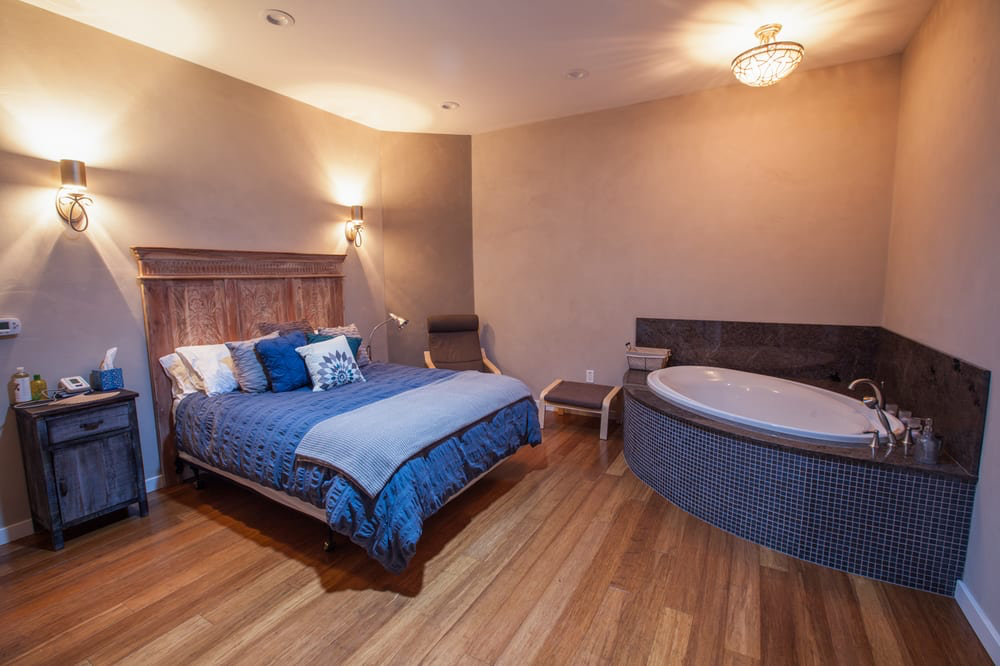
Possible birth settings include hospital, home, or birth center birth. There are advantages and disadvantages to all three settings, and may patients' options are limited/controlled by financial and insurance decisions rather than personal decision-making. Whereas the hospital setting has demonstrated benefit in "high risk" deliveries, there is plenty of data showing that both home birth and birth center birth can be just as safe in "low risk" patients. Whereas hospitals offer expert and facile access to testing and timely interventions, they tend to be less private, less comfortable and allow limited freedom of movement. Birth centers have demonstrated less interventions and some improved outcomes with similar safety outcomes to hospital birth in a select patient population.
   

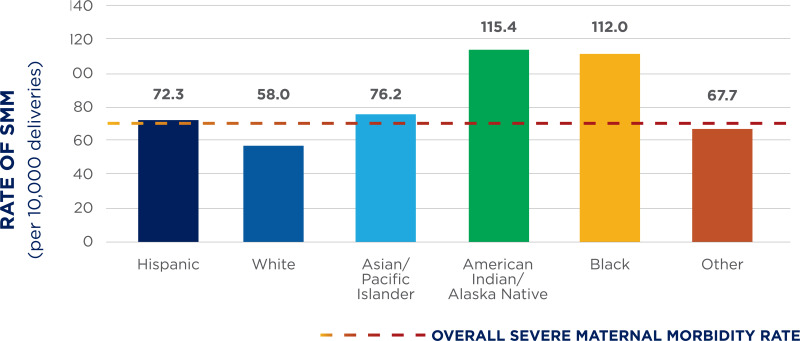
Racial and ethnic disparities exist. As we know, BIPOC women have increased rates of maternal mortality but also have increased rates of discrimination and mistreatment in the hospital setting, including higher rates of feeling "pressured into interventions". In one study, 30% of BIPOC patients experience mistreatment during hospital birth compared to 6.6% of patients who delivered in a birth center. 
***

There are many evidence-based and non-evidence based interventions patients and providers use/recommend to promote physiologic birth. These very across the stages of labor. Dr. Saedi-Kwon reviewed briefly the use and evidence for these interventions/options:

First stage of labor

"natural birth preparation" or "natural induction"
  • Red raspberry tea 
  • Dates
  • Castor oil
  • Primrose oil
Pain Management is an important consideration for laboring patients. IVs, medications, and pharmaceutical interventions can have a tethering effect for women, and non-pharmacological interventions have some high level evidence. These include:
  • Continuous labor support (i.e. doulas and/or partner support): associated with decreased length of labor, increased rates of vaginal birth, reduced procedural deliveries, decreased pain medications and increased patient satisfaction. Continuous labor support also allows someone to be present who is advocating for the patient during their labor. Of note, Medi-Cal now covers doula services. 
  • maternal position: upright and walking has demonstrated better outcomes
  • hydrotherapy/water immersion: decreases anxiety and improves pain without any evidence of harm 
  • counter pressure: mixed data but some studies show improved pain scores
How can we limit interventions in birth?
  • Delayed admission to L&D
  • Outpatient cervical ripening: pharm or non-pharm placed in the hospital (misoprostol or foley) with return in 12-24 hour for recheck
    • Whereas current guidelines do recommend immediate induction of labor if a patient has PROM, 95% of patients with PROM will go into spontaneous labor within 24-48 hours
  • Intermittent auscultation for fetal monitoring (via doppler)
2nd Stage of Labor
  • Perineal massage: metanalysis found a decrease rates of 3rd and 4th degree lacerations, more significant in primigravida
    • starting at 34 weeks, 3-9 o'clock posterior perineum, clean hands, lubricant (water-based or food based oil)
    • can by done by partner or self
    • even as infrequently as 1-2x week has benefit
  • Warm compresses held to perineum during/between pushing also has some evidence of decreased 3rd/4th degree lacerations
  • "Hands on" vs. "Hands poised" position (by provider): mixed evidence, comparing the two, hands on shows no reduction in anal sphincter injury
  • Pushing (studies done in patients with epidurals)
    • immediate vs. delayed, immediate pushing does decrease length of second stage and reduces rates of chorioamnionitis, but there is no different in vaginal operative delivery, laceration, or post-partum hemorrhage
    • open vs. closed glottis: closed glottis does again decrease length of second stage but does also increase risk of abnormal post partum urodynamics
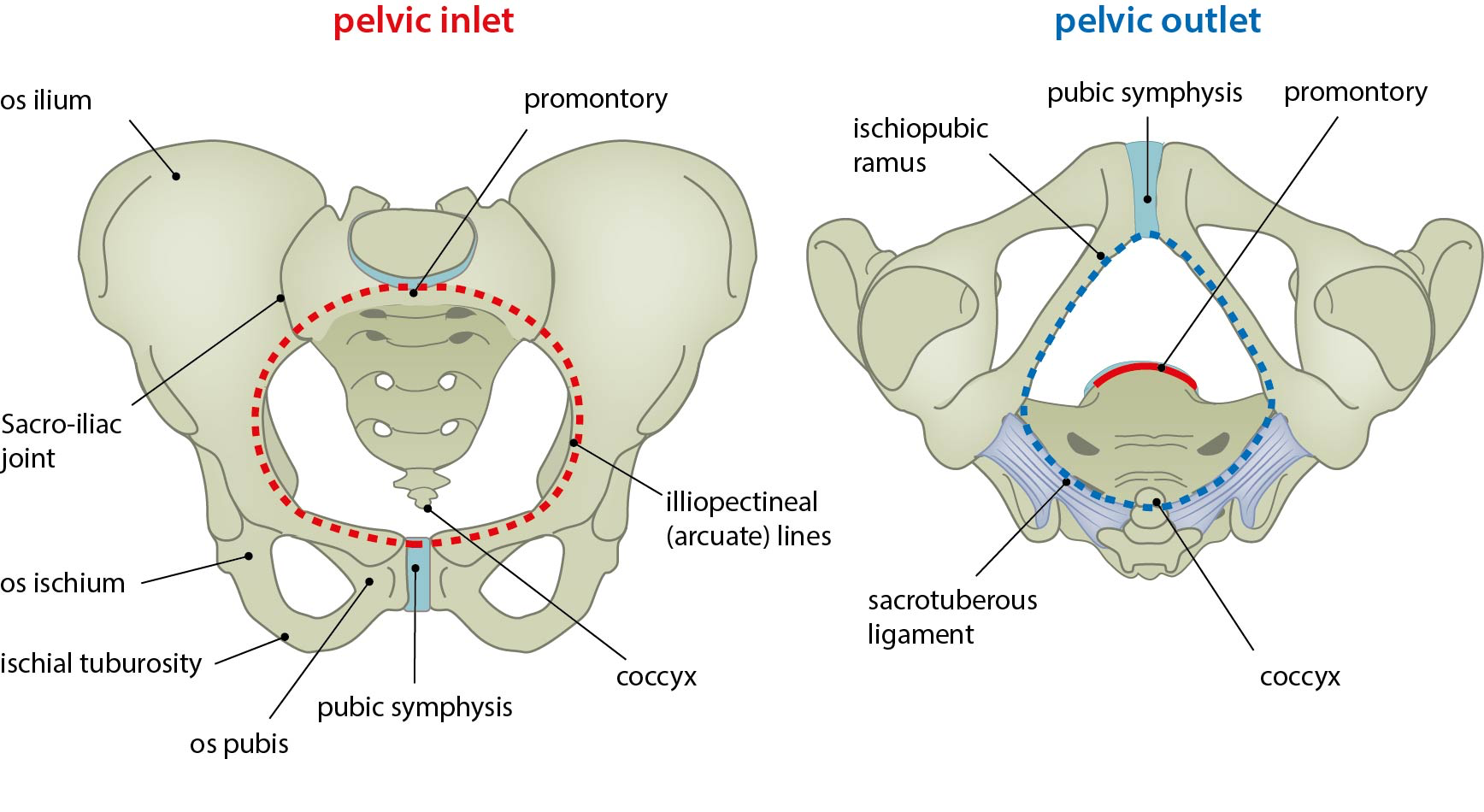
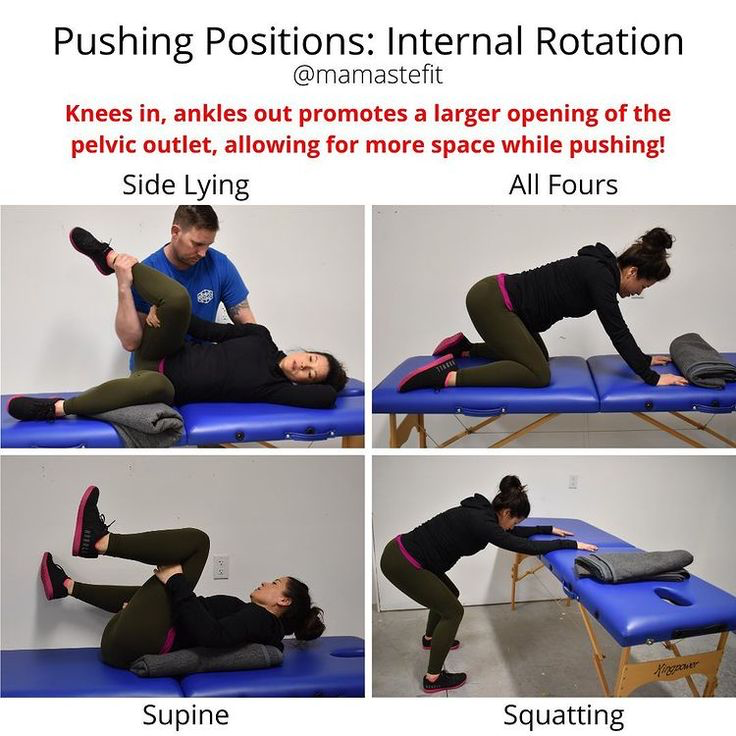
    • opening the pelvis with knees wide (traditional lithotomy) vs. with internal rotation of the knees: internal rotation does increase size of pelvic outlet
    • pushing position: upright and side lying (as opposed to lithotomy) does increase rates of intact perineum
3rd Stage of Labor
    • Delayed cord clamping increased final blood volume of neonate by 20-30% and has proven benefit in neonates, >120 seconds
      • in very preterm neonates (<28 weeks), cord milking may be preferred to allow for urgent resuscitation for non-vigorous infants
    • To decrease rates of postpartum hemorrhage (PPH): 
      • Pitocin at delivery of anterior shoulder decreases rates of severe PPH
      • cord traction with counterpressure on uterus (risks are cord avulsion (5%)and uterine inversion (<0.1%), both of which are rare
And, finally, Dr. Saedi-Kwon ended her presentation with this beautiful montage from the National Association to Advance Black Birth - Black Birthing Bill of Rights. Please check them out HERE.


Osteopathic Manipulation in the Hospital (Earl, 12/4/2024)

A recording of this presentation is available HERE.  

Many thanks to Dr. Connie Earl for a FANTASTIC Grand Rounds presentation this week on Osteopathic Manipulation in the Hospital. Dr. Earl, who previously ran the Forestville Wellness Center through West County Health Centers, is currently doing a year of extra "residency" training on Osteopathic and Neuromuscular Medicine (ONMN) at Maine Medical Center. She shared with us her passion for Osteopathic Manipulation (OMM/OMT) and a TON of what she described as "really weird studies that demonstrate ways in which OMN may be used in the hospital setting".

As an allopathic-trained physician, I admit I am often envious of the anatomy knowledge and tremendous skills of my osteopathic colleagues-- and I can tell you from personal experience that Dr. Earl has amazing clinical skills (and hands!)

For those of us less familiar with OMT, she started with the four principles of osteopathy: 

  1. The body is a unit; the person is a unit of body, mind and spirit.

  2. The body is capable of self-regulation, self-healing and health maintenance.

  3. Structure and function are reciprocally interrelated.

  4. Rational treatment is based upon an understanding of the basic principles of body unity, self-regulation and the interrelationship of structure and function.


Aren't these principles cool?  


Dr. Earl also contrasted OMT with allopathic medicine, which often focuses on treating/curing/preventing the disease; whereas osteopathy focuses on what we can do to protect the host. 

Well-structured randomized control trials of OMT are extremely challenging to create because of a wide variety of methodological variants. For example, OMT is a response to a personal and individual host. If you protocolize an OMT intervention (in order to standardize it), you are already compromising the validity of the treatment. OMT techniques vary widely, sham OMT is challenging to replicate, and many studies include trainees of varied levels of experience. 

Where she is currently training at Maine Medical Center, a 700 bed Level 1 Trauma Center, the OMN service typically treats 60-70 patients. These include patient post-CABG, poly-trauma patients, patients after GI surgeries, NICU babies, term babies and mothers, and more. 

Founding father of OMT, AT Still, is famous for his evocative quotes. One that captures another important tenet of OMT is a focus on the lymphatics system: "We strike at the source of life and death when we go to the lymphatics."


Dr. Earl shared some really amazing and interesting observational data of OMT during the 1918 Flu Pandemic, in which there was a remarkable 6% death rate for all-comers. Observational studies found that patients treated with OMT (there was no influenza treatment at the time) had closer to a 0.25% death rate. Dr. Earl stressed that these were not RCTs, and yet. . .OMT has been associated with improved respiratory function, supporting increased circulation and increased lymphatic flow. All of which certainly could have biologic plausibility in terms of helping with viral respiratory illness. 

Canine and rat studies both demonstrate improvement in lymphatic pumps with OMT. Human studies, whose lymphatic pumps are a little more challenging to study, demonstrate increased tidal volumes. 


Here are some examples of patients cared for by OMN providers at Maine Medical Center:
  • post-CABG patients: improved peripheral circulation, improved cardiac indices, decreased time to dc (1/2 day), decreased time to first BM, increased functional independence
  • post-sternotomy patients:: decreased pain, LOS, increased mean inspiratory volume
  • GI surgeries, especially ileus: decreased LOS, decreased time to flatus, less pain, decreased time to first stool, decrease use of opioids
  • IBS/constipation: decreased pain, bloating, constipation and increased quality of life
  • Inpatient pediatric patients
    • breast/chest feeding: latch issues, increased exclusive breastfeeding, better milk transfer, decreased pain
    • birth trauma: hypoglossal nerve trauma/compression, hyoid connections and torticollis
    • premature neonates/NICU for feeding tolerance
Let me know if you want references to any of the OMT studies. I have them!

Integrative Approach to Anxiety and Depression (Brown, 10/30/2024)

A recording of this presentation is available HERE.

Many thanks to Dr. Andrew Brown, who gave an excellent Grand Rounds presentation this week on Integrative Approach to Anxiety and Depression. Anyone in primary care knows that we do a lot of management of psychiatric disorders in the primary care setting, often with very little specialty support. Many patients are interested in pursuing not just standard medical therapy (SSRI + cognitive behavioral therapy), but also integrative modalities.

Dr. Brown laid out the evidence for a wide range of non-pharmaceutical and non-psychotherapy treatments for anxiety and depression. The bottom line is that there are many, many, many integrative options with a range of small to moderate to strong evidence for the management of anxiety/depression. Put your seatbelts on. And don't use too many at once!

Integrative modalities, for the purpose of this talk include 

  • lifestyle/behavioral 
  • nutrition 
  • supplements and 
  • physical practices

Lifestyle/behavioral

Exercise works! The USPSTF recommends 2.5 hours/week of aerobic exercise for overall improved health. And good news, exercise can improved depression!  Some exercise modalities may be better than others, including: include walking/jogging/yoga/strength training. The more "intense" the better. However, in a 2023 review article, ANY regular exercise, regardless of type, setting, or supervision decreased depression scores by 5-7 points. 

There is not much evidence for exercise in anxiety, with a different review paper finding a benefit of exercise for anxiety in 7 of 25 studies and no benefit in the remaining 18.

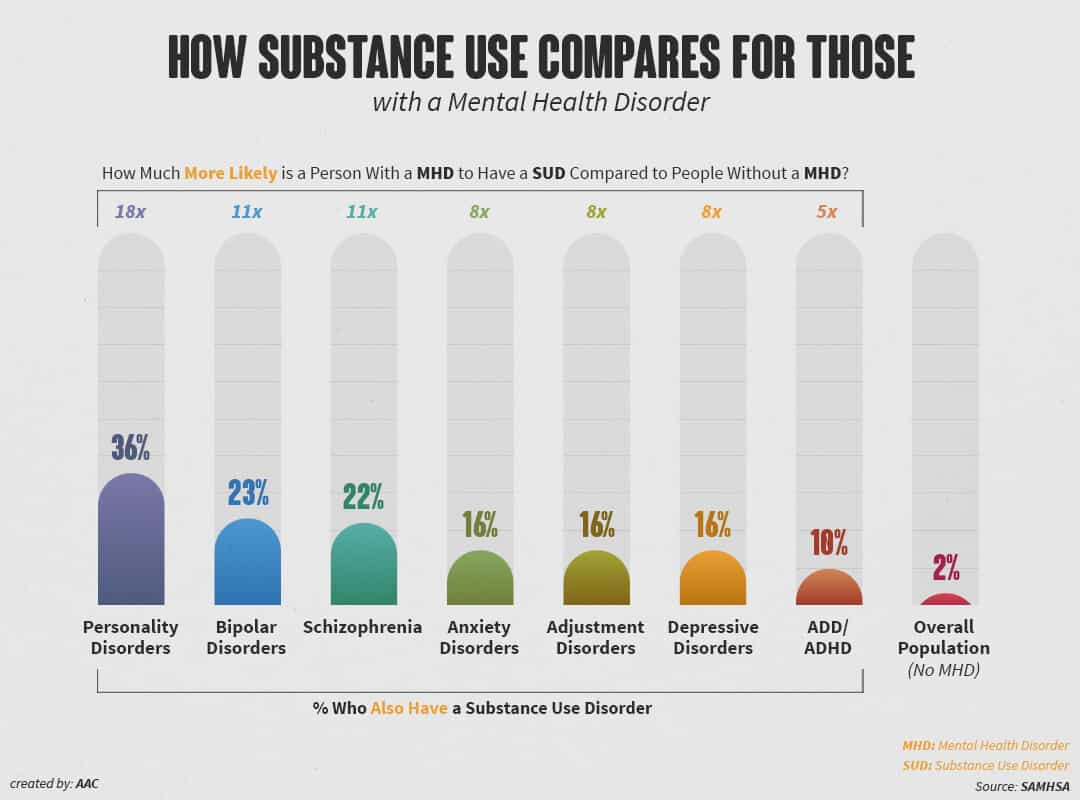
It should come as no surprise that substance use and substance use disorders are frequent comorbidities with anxiety and depression. Note in the chart below:

  • 16% of people with anxiety disorder also have SUD
  • 16% of people with an adjustment disorder also have SUD
  • 16% of people with depression also have SUD
Nicotine and tobacco, alcohol, and yes, even marijuana>>worsen anxiety

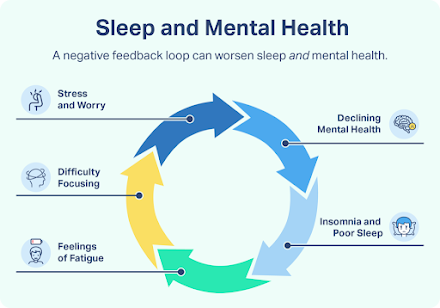
Sleep and anxiety/depression, as we know, have a bidirectional relationship. Treating the underlying cause of sleep helps (e.g. sleep disordered breathing). If you target insomnia, you improve mental health.

Social support helps too. Social support and connectedness -- perhaps even via online platforms-- helps depression and anxiety, even in people with a diagnosed social anxiety disorder!

Time spent in the natural world, including activities like "forest bathing", nature-based treatment, gardening, wilderness time, outdoor adventuring all have a positive effect on mood and anxiety. Many of the studies looking at time in nature are Korean studies, and plenty show positive effect, which is durable (at least up to 12 weeks after the outdoor time). One study even found that LOOKING at images of nature had a positive impact on mood. 

Nutrition 

Eating a healthy diet improves depression and anxiety! And there are plenty of different healthy diets that have been shown to improve mood in a 2021 Systematic Review: a diet high in fruits/veggies, a diet with less calories, a diet high in omega-3 fatty acids, probiotics, a diet rich in dietary minerals, and a ketogenic diet. Even eating breakfast works!


What doesn't work? An unhealthy diet: insufficient protein, high fat, lots of carbs/sugars, and a diet low in tryptophan (which is found in protein-rich foods, not just turkey).

Supplements

Many many botanicals are used to treat symptoms of depression anxiety. Four that Dr. Brown highlighted with moderate/strong evidence for positive effect are:
  • Kava Kava (Piper methysticum): 50-70mg TID, mixed evidence, some concern for hepatoxicity
  • St. John's Wort (Hypericum perforatum): strong evidence in depression, 500-1800mg/day. A 2017 Meta-analysis found it to be equivalent to SSRIs (of note, not safe to take at same time as SSRIs)
  • Saffron (Crocus sativus): 30-200mg/day, strong evidence for depression and anxiety, $$ cost can be an issue, also concerns regarding first trimester SAB in early pregnancy
  • Lavender (Lavandula angustifolia): "a few drops", moderate evidence, compared to lorazepam in a trial of preoperative patients was found to be "equivalent". SE: gynecomastia

Probiotics: studies show a small but consistent positive effect in depression/anxiety (not enough to be used as monotherapy, but consider for adjunct)

Vitamin Supplements
Dr. Brown highlighted five vitamins with some efficacy in depression/anxiety:
  • Vitamin D: stronger evidence in depression (than anxiety)
  • B Complex, found in dark/green/leafy veggies, may be good adjunct
  • Zinc: dose response benefit in depression and anxiety
  • Magnesium: strong evidence as either monotherapy OR adjunct, depression more than anxiety, change of 4 points on GAD7 or PHQ9, so may be good choice for mild-mod depression/anxiety
Physical Practices

Dr. Brown finished up his presentation talking about a range of physical practices that, again, have some evidence for treatment of depression and/or anxiety, specifically:
  • Acupuncture: 2024 Meta-analysis found that acupuncture was BETTER than SSRIs for depression, particularly if electro-acupuncture techniques are used. Most studies indicate that a combination of SSRI and acupuncture decreases rates of remission. There is less evidence for acupuncture in anxiety.
  • Acupressure: no evidence for durable benefit, but may be good for episodic symptoms (and can be self-done)
  • Progressive Muscle Relaxation: strong evidence in pre-procedural anxiety and symptoms report for patients. There are a wide range of muscle relaxation techniques, many can be taught in just a few minutes in the office setting
  • Breathwork: Once again, there are many different breath practices. Two easy ones to teach in the office are: Box, 4-7-8 (see images below). Both have been shown to help with symptom management


Finally, do Apps work? Apps tend to be cheap and easy for patients to get, particularly in a low resource. According to Dr. Brown. There have been 50+ studies, including an RCT, looking at apps for physical practice changers, and they have shown a significant but small/moderate effect on depression/anxiety. So consider apps an option too!


References:
  • de Noronha, S.I.S.R., de Moraes, L.A.G., Hassell, J.E. et al. High-fat diet, microbiome-gut-brain axis signaling, and anxiety-like behavior in male rats. Biol Res 57, 23 (2024). https://doi.org/10.1186/s40659-024-00505-1

  • Fatemi, F., Siassi, F., Qorbani, M. et al. Higher dietary fat quality is associated with lower anxiety score in women: a cross-sectional study. Ann Gen Psychiatry 19, 14 (2020). https://doi.org/10.1186/s12991-020-00264-9

  • Mohit Kumar, Babita Bhatt, Chitralekha Gusain, Nayan Mahajan, Mahendra Bishnoi, Sex-specific effects of ketogenic diet on anxiety-like behavior and neuroimmune response in C57Bl/6J mice, The Journal of Nutritional Biochemistry, Volume 127 (2024). https://doi.org/10.1016/j.jnutbio.2024.109591.

  • Haduch, A.; Bromek, E.; Kuban, W.; Daniel, W.A. The Engagement of Cytochrome P450 Enzymes in Tryptophan Metabolism. Metabolites 2023, 13, 629. https://doi.org/10.3390/metabo13050629

  • Gregory L. Stonerock, Rahul P. Gupta, James A. Blumenthal, Is exercise a viable therapy for anxiety? Systematic review of recent literature and critical analysis, Progress in Cardiovascular Diseases, Volume 83, 2024, Pages 97-115, https://doi.org/10.1016/j.pcad.2023.05.006.

  • Noetel M, Sanders T, Gallardo-Gómez D, Taylor P, del Pozo Cruz B, van den Hoek D et al. Effect of exercise for depression: systematic review and network meta-analysis of randomised controlled trials BMJ 2024; 384 :e075847 https://doi:10.1136/bmj-2023-075847

  • Kedzior, K.K., Laeber, L.T. A positive association between anxiety disorders and cannabis use or cannabis use disorders in the general population- a meta-analysis of 31 studies. BMC Psychiatry 14, 136 (2014). https://doi.org/10.1186/1471-244X-14-136

  • Berglund, M. and Ojehagen, A. (1998), The Influence of Alcohol Drinking and Alcohol Use Disorders on Psychiatric Disorders and Suicidal Behavior. Alcoholism: Clinical and Experimental Research, 22: 333s-345s. https://doi.org/10.1111/j.1530-0277.1998.tb04388.x

  • Lev-Ran S, Roerecke M, Le Foll B, George TP, McKenzie K, Rehm J. The association between cannabis use and depression: a systematic review and meta-analysis of longitudinal studies. Psychological Medicine. 2014;44(4):797-810. doi:10.1017/S0033291713001438

  • https://www.columbiapsychiatry.org/news/recreational-cannabis-use-among-u-s-adolescents-poses-risk-adverse-mental-health-and-life-outcomes

  • Pinto JV, Crippa JAS, Ceresér KM, Vianna-Sulzbach MF, Silveira Júnior ÉM, Santana da Rosa G, Testa da Silva MG, Hizo GH, Simão Medeiros L, Santana de Oliveira CE, Bristot G, Campos

  • AC, Guimarães FS, Hallak JEC, Zuardi AW, Yatham LN, Kapczinski F, Kauer-Sant'Anna M. Cannabidiol as an Adjunctive Treatment for Acute Bipolar Depression: A Pilot Study: Le cannabidiol comme traitement d'appoint de la dépression bipolaire aiguë : une étude pilote. Can J Psychiatry. 2024 Apr;69(4):242-251. doi: 10.1177/07067437231209650. Epub 2023 Nov 3. PMID: 37920963; PMCID: PMC10924581.

  • Gebara MA, Siripong N, DiNapoli EA, Maree RD, Germain A, Reynolds CF, Kasckow JW, Weiss PM, Karp JF. Effect of insomnia treatments on depression: A systematic review and meta-analysis. Depress Anxiety. 2018 Aug;35(8):717-731. doi: 10.1002/da.22776. Epub 2018 May 21. PMID: 29782076.

  • Fava M, Schaefer K, Huang H, Wilson A, Iosifescu DV, Mischoulon D, Wessel TC. A post hoc analysis of the effect of nightly administration of eszopiclone and a selective serotonin reuptake inhibitor in patients with insomnia and anxious depression. J Clin Psychiatry. 2011 Apr;72(4):473-9. doi: 10.4088/JCP.09m05131gry. Epub 2010 Nov 2. PMID: 21208574.

  • Nagy E, Moore S. Social interventions: An effective approach to reduce adult depression? J Affect Disord. 2017 Aug 15;218:131-152. doi: 10.1016/j.jad.2017.04.043. Epub 2017 Apr 24. PMID: 28472703.

  • Cruwys T, Alexander Haslam S, Dingle GA, Jetten J, Hornsey MJ, Desdemona Chong EM, Oei TP. Feeling connected again: interventions that increase social identification reduce depression symptoms in community and clinical settings. J Affect Disord. 2014 Apr;159:139-46. doi: 10.1016/j.jad.2014.02.019. Epub 2014 Feb 18. PMID: 24679402.

  • Beauchamp AM, Lehmann CU, Medford RJ, Hughes AE. The Association of a Geographically Wide Social Media Network on Depression: County-Level Ecological Analysis. J Med Internet Res. 2023 Mar 27;25:e43623. doi: 10.2196/43623. Erratum in: J Med Internet Res. 2023 Apr 11;25:e47896. doi: 10.2196/47896. PMID: 36972109; PMCID: PMC10131939.

  • Primack BA, Bisbey MA, Shensa A, Bowman ND, Karim SA, Knight JM, Sidani JE. The association between valence of social media experiences and depressive symptoms. Depress Anxiety. 2018 Aug;35(8):784-794. doi: 10.1002/da.22779. Epub 2018 Jun 6. PMID: 29877002.

  • Mizumoto T, Ikei H, Hagiwara K, Matsubara T, Higuchi F, Kobayashi M, Yamashina T, Sasaki J, Yamada N, Higuchi N, Haraga K, Kirihara F, Okabe E, Asai K, Hirotsu M, Chen C, Miyazaki Y, Nakagawa S. Mood and physiological effects of visual stimulation with images of the natural environment in individuals with depressive and anxiety disorders. J Affect Disord. 2024 Jul 1;356:257-266. doi: 10.1016/j.jad.2024.04.025. Epub 2024 Apr 7. PMID: 38588725.

  • Yeon PS, Jeon JY, Jung MS, Min GM, Kim GY, Han KM, Shin MJ, Jo SH, Kim JG, Shin WS. Effect of Forest Therapy on Depression and Anxiety: A Systematic Review and Meta-Analysis. Int J Environ Res Public Health. 2021 Dec 1;18(23):12685. doi: 10.3390/ijerph182312685. PMID: 34886407; PMCID: PMC8657257.

  • https://medicine.umich.edu/sites/default/files/content/downloads/Relaxation-Skills-for-Anxiety.pdf

  • Heissel A, Heinen D, Brokmeier LL, Skarabis N, Kangas M, Vancampfort D, Stubbs B, Firth J, Ward PB, Rosenbaum S, Hallgren M, Schuch F. Exercise as medicine for depressive symptoms? A systematic review and meta-analysis with meta-regression. Br J Sports Med. 2023 Aug;57(16):1049-1057. doi: 10.1136/bjsports-2022-106282. Epub 2023 Feb 1. PMID: 36731907; PMCID: PMC10423472.

  • Gartlehner G, Dobrescu A, Chapman A, Toromanova A, Emprechtinger R, Persad E, Affengruber L, Pieh C, Klerings I, Wagner G. Nonpharmacologic and Pharmacologic Treatments of Adult Patients With Major Depressive Disorder: A Systematic Review and Network Meta-analysis for a Clinical Guideline by the American College of Physicians. Ann Intern Med. 2023 Feb;176(2):196-211. doi: 10.7326/M22-1845. Epub 2023 Jan 24. PMID: 36689750.

  • Sarris J, Marx W, Ashton MM, Ng CH, Galvao-Coelho N, Ayati Z, Zhang ZJ, Kasper S, Ravindran A, Harvey BH, Lopresti A, Mischoulon D, Amsterdam J, Yatham LN, Berk M. Plant-based Medicines (Phytoceuticals) in the Treatment of Psychiatric Disorders: A Meta-review of Meta-analyses of Randomized Controlled Trials: Les médicaments à base de plantes (phytoceutiques) dans le traitement des troubles psychiatriques: une méta-revue des méta-analyses d'essais randomisés contrôlés. Can J Psychiatry. 2021 Oct;66(10):849-862. doi: 10.1177/0706743720979917. Epub 2021 Feb 18. PMID: 33596697; PMCID: PMC8573706.

  • Jacobs B.P., Bent S., Tice J.A., Blackwell T., Cummings S.R. An internet-based randomized, placebo-controlled trial of kava and valerian for anxiety and insomnia. Medicine. 2005;84:197–207. doi: 10.1097/01.md.0000172299.72364.95.

  • Hausenblas H.A., Saha D., Dubyak P.J., Anton S.D. Saffron (Crocus sativus L.) and major depressive disorder: A meta-analysis of randomized clinical trials. J. Integr. Med. 2013;11:377–383. doi: 10.3736/jintegrmed2013056.

  • Lopresti A.L., Drummond P.D. Saffron (Crocus sativus) for depression: A systematic review of clinical trials and examination of underlying antidepressant mechanisms of action. Hum. Psychopharmacol. 2014;29:517–527. doi: 10.1002/hup.2434.

  • Kasper S., Gastpar M., Müller W.E., Volz H.P., Möller H.J., Schläfke S., Dienel A. Lavender oil preparation Silexan is effective in generalized anxiety disorder-A randomized, double-blind comparison to placebo and paroxetine. Int. J. Neuropsychopharmacol. 2014;17:859–869. doi: 10.1017/S1461145714000017.

  • Kasper S., Anghelescu I., Dienel A. Efficacy of orally administered Silexan in patients with anxiety-related restlessness and disturbed sleep—A randomized, placebo-controlled trial. Eur. Neuropsychopharmacol. 2015;25:1960–1967. doi: 10.1016/j.euroneuro.2015.07.024.

  • Kasper S., Volz H.P., Dienel A., Schläfke S. Efficacy of Silexan in mixed anxiety-depression-A randomized, placebo-controlled trial. Eur. Neuropsychopharmacol. 2016;26:331–340. doi: 10.1016/j.euroneuro.2015.12.002

  • Woelk H., Schläfke S. A multi-center, double-blind, randomised study of the Lavender oil preparation Silexan in comparison to Lorazepam for generalized anxiety disorder. Phytomedicine. 2010;17:94–99. doi: 10.1016/j.phymed.2009.10.006.

  • Janda K., Wojtkowska K., Jakubczyk K., Antoniewicz J., Skonieczna-żydecka K. Passiflora incarnata in Neuropsychiatric Disorders—A Systematic Review. Nutrients. 2020;12:3894. doi: 10.3390/nu12123894.

  • Sarris J, Kavanagh DJ, Byrne G, Bone KM, Adams J, Deed G. The Kava Anxiety Depression Spectrum Study (KADSS): a randomized, placebo-controlled crossover trial using an aqueous extract of Piper methysticum. Psychopharmacology (Berl). 2009 Aug;205(3):399-407. doi: 10.1007/s00213-009-1549-9. Epub 2009 May 9. PMID: 19430766.

  • Liu RT, Walsh RFL, Sheehan AE. Prebiotics and probiotics for depression and anxiety: A systematic review and meta-analysis of controlled clinical trials. Neurosci Biobehav Rev. 2019 Jul;102:13-23. doi: 10.1016/j.neubiorev.2019.03.023. Epub 2019 Apr 17. PMID: 31004628; PMCID: PMC6584030.

  • Yang Y, Yang L, Wan M, Pan D, Sun G, Yang C. Assessment of optimal combinations of therapeutic probiotics for depression, anxiety, and stress. Psychol Med. 2024 Jul;54(10):2547-2561. doi: 10.1017/S0033291724000679. Epub 2024 Mar 18. PMID: 38497101.

  • Yosaee S, Clark CCT, Keshtkaran Z, Ashourpour M, Keshani P, Soltani S. Zinc in depression: From development to treatment: A comparative/ dose response meta-analysis of observational studies and randomized controlled trials. Gen Hosp Psychiatry. 2022 Jan-Feb;74:110-117. doi: 10.1016/j.genhosppsych.2020.08.001. Epub 2020 Aug 10. PMID: 32829928.

  • Ranjbar E, Kasaei MS, Mohammad-Shirazi M, Nasrollahzadeh J, Rashidkhani B, Shams J, Mostafavi SA, Mohammadi MR. Effects of zinc supplementation in patients with major depression: a randomized clinical trial. Iran J Psychiatry. 2013 Jun;8(2):73-9. PMID: 24130605; PMCID: PMC3796297.

  • Tarleton EK, Littenberg B, MacLean CD, Kennedy AG, Daley C. Role of magnesium supplementation in the treatment of depression: A randomized clinical trial. PLoS One. 2017 Jun 27;12(6):e0180067. doi: 10.1371/journal.pone.0180067. PMID: 28654669; PMCID: PMC5487054.

  • Wang H, Jin M, Xie M, Yang Y, Xue F, Li W, Zhang M, Li Z, Li X, Jia N, Liu Y, Cui X, Hu G, Dong L, Wang G, Yu Q. Protective role of antioxidant supplementation for depression and anxiety: A meta-analysis of randomized clinical trials. J Affect Disord. 2023 Feb 15;323:264-279. doi: 10.1016/j.jad.2022.11.072. Epub 2022 Nov 25. PMID: 36442656.

  • Borges-Vieira JG, Cardoso CKS. Efficacy of B-vitamins and vitamin D therapy in improving depressive and anxiety disorders: a systematic review of randomized controlled trials. Nutr Neurosci. 2023 Mar;26(3):187-207. doi: 10.1080/1028415X.2022.2031494. Epub 2022 Feb 14. PMID: 35156551.

  • Zhu C, Zhang Y, Wang T, Lin Y, Yu J, Xia Q, Zhu P, Zhu DM. Vitamin D supplementation improves anxiety but not depression symptoms in patients with vitamin D deficiency. Brain Behav. 2020 Nov;10(11):e01760. doi: 10.1002/brb3.1760. Epub 2020 Sep 18. PMID: 32945627; PMCID: PMC7667301.

  • Wang R, Xu F, Xia X, Xiong A, Dai D, Ling Y, Sun R, Qiu L, Ding Y, Xie Z. The effect of vitamin D supplementation on primary depression: A meta-analysis. J Affect Disord. 2024 Jan 1;344:653-661. doi: 10.1016/j.jad.2023.10.021. Epub 2023 Oct 16. PMID: 37852593.

  • Marschall J, Fejer G, Lempe P, Prochazkova L, Kuchar M, Hajkova K, van Elk M. Psilocybin microdosing does not affect emotion-related symptoms and processing: A preregistered field and lab-based study. J Psychopharmacol. 2022 Jan;36(1):97-113. doi: 10.1177/02698811211050556. Epub 2021 Dec 17. PMID: 34915762; PMCID: PMC8801668.

  • Tan Y, Duan R, Wen C. Efficacy of acupuncture for depression: a systematic review and meta-analysis. Front Neurosci. 2024 Apr 30;18:1347651. doi: 10.3389/fnins.2024.1347651. PMID: 38745939; PMCID: PMC11091333.

  • Zhichao H, Ching LW, Huijuan L, Liang Y, Zhiyu W, Weiyang H, Zhaoxiang B, Linda ZLD. A network meta-analysis on the effectiveness and safety of acupuncture in treating patients with major depressive disorder. Sci Rep. 2021 May 17;11(1):10384. doi: 10.1038/s41598-021-88263-y. PMID: 34001924; PMCID: PMC8129113.

  • Xu G, Lei H, Huang L, Xiao Q, Huang B, Zhou Z, Tian H, Huang F, Liu Y, Zhao L, Li X, Liang F. The dose-effect association between acupuncture sessions and its effects on major depressive disorder: A meta-regression of randomized controlled trials. J Affect Disord. 2022 Aug 1;310:318-327. doi: 10.1016/j.jad.2022.04.155. Epub 2022 May 2. PMID: 35504399.

  • Xu Z, Zhang X, Shi H, Liang M, Ning F, Wang Q, Jia H. Efficacy of acupuncture for anxiety and depression in functional dyspepsia: A systematic review and meta-analysis. PLoS One. 2024 Mar 7;19(3):e0298438. doi: 10.1371/journal.pone.0298438. PMID: 38452033; PMCID: PMC10919749.

  • Carlson LE, Ismaila N, Addington EL, Asher GN, Atreya C, Balneaves LG, Bradt J, Fuller-Shavel N, Goodman J, Hoffman CJ, Huston A, Mehta A, Paller CJ, Richardson K, Seely D, Siwik CJ, Temel JS, Rowland JH. Integrative Oncology Care of Symptoms of Anxiety and Depression in Adults With Cancer: Society for Integrative Oncology-ASCO Guideline. J Clin Oncol. 2023 Oct 1;41(28):4562-4591. doi: 10.1200/JCO.23.00857. Epub 2023 Aug 15. PMID: 37582238.

  • Fan JQ, Lu WJ, Tan WQ, Liu X, Wang YT, Wang NB, Zhuang LX. Effectiveness of Acupuncture for Anxiety Among Patients With Parkinson Disease: A Randomized Clinical Trial. JAMA Netw Open. 2022 Sep 1;5(9):e2232133. doi: 10.1001/jamanetworkopen.2022.32133. PMID: 36129711; PMCID: PMC9494193.

  • Wiles MD, Mamdani J, Pullman M, Andrzejowski JC. A randomised controlled trial examining the effect of acupuncture at the EX-HN3 (Yintang) point on pre-operative anxiety levels in neurosurgical patients. Anaesthesia. 2017 Mar;72(3):335-342. doi: 10.1111/anae.13785. Epub 2017 Jan 16. PMID: 28092106.

  • Molassiotis A, Suen L, Lai C, Chan B, Wat KHY, Tang J, To KL, Leung CO, Lee S, Lee P, Chien WT. The effectiveness of acupressure in the management of depressive symptoms and in improving quality of life in older people living in the community: a randomised sham-controlled trial. Aging Ment Health. 2020 Jun;24(6):1001-1009. doi: 10.1080/13607863.2019.1584789. Epub 2019 Mar 14. PMID: 30869991.

  • Linardon J, Messer M, Goldberg SB, Fuller-Tyszkiewicz M. The efficacy of mindfulness apps on symptoms of depression and anxiety: An updated meta-analysis of randomized controlled trials. Clin Psychol Rev. 2024 Feb;107:102370. doi: 10.1016/j.cpr.2023.102370. Epub 2023 Dec 3. PMID: 38056219; PMCID: PMC10872959.

  • Hofmann SG, Gómez AF. Mindfulness-Based Interventions for Anxiety and Depression. Psychiatr Clin North Am. 2017 Dec;40(4):739-749. doi: 10.1016/j.psc.2017.08.008. Epub 2017 Sep 18. PMID: 29080597; PMCID: PMC5679245.

  • Tan, Z.Y.A., Wong, S.H., Cheng, L.J. et al. Effectiveness of Mobile-Based Mindfulness Interventions in Improving Mindfulness Skills and Psychological Outcomes for Adults: a Systematic Review and Meta-regression. Mindfulness 13, 2379–2395 (2022). https://doi.org/10.1007/s12671-022-01962-z

  • Éva Gál, Simona Ștefan, Ioana A. Cristea, The efficacy of mindfulness meditation apps in enhancing users’ well-being and mental health related outcomes: a meta-analysis of randomized controlled trials, Journal of Affective Disorders, Volume 279, 2021, Pages 131-142, ISSN 0165-0327, https://doi.org/10.1016/j.jad.2020.09.134.

  • Goldberg, S. B., Lam, S. U., Britton, W. B., & Davidson, R. J. (2021). Prevalence of meditation-related adverse effects in a population-based sample in the United States. Psychotherapy Research, 32(3), 291–305. https://doi.org/10.1080/10503307.2021.1933646

  • Conrad A, Roth WT. Muscle relaxation therapy for anxiety disorders: it works but how? J Anxiety Disord. 2007;21(3):243-64. doi: 10.1016/j.janxdis.2006.08.001. Epub 2006 Sep 1. PMID: 16949248.

  • Jia Y, Wang X, Cheng Y. Relaxation Therapy for Depression: An Updated Meta-analysis. J Nerv Ment Dis. 2020 Apr;208(4):319-328. doi: 10.1097/NMD.0000000000001121. PMID: 32221187.

  • Köse KabakcıoÄŸlu N, Ayaz-Alkaya S. The effect of progressive muscle relaxation on stress, anxiety, and depression in adolescents: A quasi-experimental design. J Pediatr Nurs. 2024 Sep-Oct;78:89-96. doi: 10.1016/j.pedn.2024.06.014. Epub 2024 Jun 21. PMID: 38905787.


Integrative Medicine for the Skeptic (Meckler, 1/24/2024)

 A recording of this presentation is available HERE

***

Many thanks to Dr. Gabriela Meckler, senior resident for her excellent presentation titled Integrative Medicine for the Skeptic. She covered the evidence behind some important herbs and supplements for common primary care conditions.

Dr. Meckler wanted us to feel comfortable knowing the data for some specific integrative remedies for common medical problems:

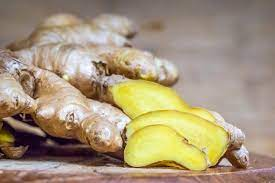
  • Ginger for nausea and vomiting of pregnancy 
    • 500-1500 mg BID to TID
    • A metanalysis of 10 RCTs found that ginger at these doses is as effective as pyridoxine and metoclopramide, and dimenhydrinate
    • Most common side effect: heartburn
    • There is also some evidence for ginger in migraine, dysmenorrhea, metabolic syndrome, respiratory diseases, and milk volume in the early post partum period
    • Take home: consider recommending ginger either alone or as an adjunct to the traditional rx'd in pregnancy. Stop ginger when nausea starts (to prevent heartburn)
  • Daily Magnesium for migraine headache prophylaxis 
    • 400-600mg/daily
    • Safe in pregnancy
    • Most common side effect: diarrhea
    • PO magnesium alleviates frequency and intensity of migraine (statistically significant)
    • IV magnesium has the best evidence for treatment of acute migraine, but oral has good evidence as ppx
      • IV magnesium helped migraine within 15-45 minutes after initial infusion, and lasted up to 24 hours
    • Additional supplements that may be useful in migraine: 
      • Riboflavin 400mg/day reduces headache from 4 days/month to 2 days/month (must be taken for 3-6 months), 
      • Butterbur (but careful, must come from trusted source to remove pyrrolizidine alkaloids)
    • Ginger 400mg + ibuprofen, can also be used for dysmenorrhea (2 days prior to onset of menses)
  • Side note on Licorice safety in pregnancy (licorice is often found in combination in ginger tea products)
    • Licorice contains glycyrrhizin, which can act as a mineralocorticoid
    • Side effects: hypertension, hypernatremia, hypokalemia, renin suppression
    • Glycyrrhizin is often present in low doses in these teas, about 31mg/cup of tea. 
    • A longitudinal cohort study in Finland found licorice consumption in pregnancy to be associated with  lower intelligence and memory scores, higher HPA-axis activity, and higher incidence of ADHD in offspring. This high dose of glycyrrhizin was >= 500mg/week, So a pregnant person would have to drink upwards of two cups of tea containing licorice every day to get an adverse event

  • Turmeric for osteoarthritis pain
    • 100-2000mg daily for knee OA
    • In a study of turmeric vs. paracetamol 500 BID vs. 650 TID x 6 weeks for OA, both arms showed decrease in pain and stiffness, increase in function =equivalent to tylenol!
    • 1000mg should be paired with 6 mg piperine -- black pepper extract -- (just a tiny amount) for improved absorption 
    • Warming up turmeric increases absorption and likely efficacy
    • Most common side effect: GI upset, diarrhea

Recommended Resources for practitioners and patients 

An Integrative Approach to Substance Use Disorder (Adachi Serrano, 12/13/2023)

 A recording of this presentation is available HERE

***

Many many thanks to Dr. Katya Adachi Serrano, SRFMR Alumna class of 2014 and Integrative Medicine Fellow (2015) on An Integrative Approach to Substance Use Disorders. Dr. Adachi Serrano blends her family medicine background with training in herbal and integrative medicine, plus a board certification in addiction medicine. In so doing, she spoke thoughtfully on topics from buprenorphine  induction to  herbal supplements for SUD to spiritual support. This is definitely a presentation worth watching! The link is above.

For those of you who prefer the written word, my notes below:

Dr. Adachi Serrano took us through the case of a young man suffering from alcohol use disorder (AUD) and repeated episodes of alcohol withdrawal syndrome (AWS). She started by grounding us in the concept of the tribal MAT Echo Clinic Wellness Wheel (see below): consideration of the mind, body, spirit, and community, as a means to think about the care of patients with SUD. 

Tribal MAT Echo Clinic "Wellness Wheel"

The Body

Medication assisted treatment -- or medication for addiction treatment (MAT)-- is the gold standard for treatment of patients with many SUD. SUD is just like any other chronic disease, Dr. Adachi Serrano argues: SUD has a gradual onset, affects all races/ethnicities/SES, it relapses and remits, is partially relieved by lifestyle changes. And so, we should approach SUD like any other chronic disease.


AWS; Typical treatment for acute alcohol withdrawal involve either long-acting benzodiazepines (chlordiazepoxide or diazepam), or gaba-ergic meds (e.g. gabapentin) tapered by either dosing interval or amount daily. See these patients daily, says Dr. Adachi Serrano.

AUD: The best medication option we have for chronic management of AUD is naltrexone, which decreases cravings and suppresses the pleasure people get from drinking ETOH. This can be dosed 25-50mg qhs, Precaution with: acute hepatitis, liver enzymes 3-5x normal, decompensated cirrhosis, active opioid use. Common adverse events include headache, nausea, drowsiness. Some people also experience anhedonia. 

Another option is long-acting naltrexone (aka vivitrol), which is an IM injection 380mg given q4 weeks (after a 4 day PO trial of naltrexone oral). An alternative maintenance medication is acamprosate, which is dosed 666mg TID (2 tabs of 333 TID). Side effects include diarrhea and adherence. A third option is Gabapentin 100-300mg daily to TID.

OUD: Standard treatment or opiate withdrawal syndrome (OWS) is supportive measures (e.g. clonidine, hydroxyzine, trazodone, ondansetron). Maintenance for OUD is either suboxone or methadone, usually dosed 2-4mg q2-4 hours, max 8mg on D#1. Sublocade, a long-acting injectable buprenorphine, may be available to better-insured patients, dosed at 300mg SQ x 1-2 doses, then 100mg q28 days. Finally, naltrexone is a third maintenance option, but you must be opioid free for minimum of 5 days (ideally 7-10 days). This is idea for patients who do not use opioids. Clonidine is often used as an adjunct during the withdrawal phase 0.1-0.3mg q1 hour. 

Dr. Adachi went on to talk about the value of herbal supplements for SUD, as an adjunct to the standard allopathic medications. Three main categories of herbs: adaptogens, nervine, and nutritive. 

1) Adaptogens help the body to adapt to stress, "normalizing influence on physiology". They tend to be derived from the roots of plants that grow in hardy environments and rugged terrain, and their effect is thought to be due to the hormones the plants themselves have generated in these rugged environments.

  • Ashwagandha, dosed 400-500mg BID helps to normalize GABA activity in the body. This can be helpful in all forms of SUD. Precautions: nightshade allergy, hyperthyroid
  • Rhodiola, derived from arctic regions, is very stimulating. Dosed 100-200mg. Caution: can sometimes be too stimulating, especially in stimulant use, w/d and recovery. Thought to "get the fire burning again"
  • Eleutero aka Siberian Ginseng, increased dopamine, thereby increasing energy levels
  • Licorice also can be helpful, sweet and easy to take
2) Nervines: have a direct effect on the nervous system. The following nervines are considered "calming nervines" which can be helpful in recovery:
  • Skull cap, a GABA agonist, 850-1200mg daily in tincture (very concentrated)
  • Valerian, another GABA agonist
  • Lavender, 1-2 tsp in 8 oz of water
3) The last category are the Nutritives, which are nutrient rich and thought to support the body. One of Dr. Adachi's favorite is milky oats extract, which is nourishing to the nervous system and also increases dopamine. 

The Mind

Mental health treatment should be considered an essential part of MAT. All patients with SUD should be screened for underlying mood disorders (including anxiety, complex PTSD), learning disabilities, and ADHD. These underlying disorders should be treated with both medications and therapy.

Trauma: 90% of patients with OUD report a history of trauma, 80% have child sexual abuse, emotional abuse, or violent trauma. We should see SUD as a marker of trauma and work to normalize  in a therapeutic way. Here Dr. Adachi Serrano used the image of a record playing in our ear-- "our early experiences teach us messages, like a record playing in our mind" that we may not even know is playing. 


This is where mindfulness practice comes in, also CBT. Introduce the concept of brief CBT for a non-therapist (for those of working in primary care practices where mental health services can be hard to come by). Dr. Adachi Serrano took us through brief CBT (see image) and reminded us that the goal is to rewrite the core message, overwrite the music playing in our head: "I am valuable. I am loved. I matter. I am safe"


She encouraged us to teach residents to cultivate their own dopamine -- "give yourself a high five and do a little dance". But in order to prevent burnout in primary care, really important to use motivational interviewing techniques and meet patients where they are at-- know the stages of change and tailor your intervention to the patient's stage, not your desired outcome.

The Spirit

This leads us to spiritual and somatic treatments. Often in patients with SUD there is a temporal disconnect between what the body is experiencing and the present, i.e. the spirit is not living within themselves. This is categorized in different cultures with different words, including susto, soul wound, etc.

EMDR and somatic experiencing may be helpful treatment modalities.

In addition, there are many other spiritual treatments: sweat lodges, talking circles, spiritual counseling, limpiezas.

Meaning is important, and looking for ways to experience normal emotions  -- a safe space to feel both sadness and JOY. To look for one's core values, to recognize safety.

The Community

Healing community is necessary to support recovery. Patients need to ask if their community is supportive to recovery? Is their current community a barrier to recovery? Dr. Adachi Serrano described a person in recovery as being in a "bubble". When you are early in recovery, you are cleaning up your space, trying to keep your bubble strong. If your bubble doesn't have a thick shell, you don't want to be in an environment that is going to stress or test that bubble. You also need the community to provide support around that bubble, to protect the individual while they are vulnerable. This involves tending to the community, offering community -- in whatever healthy forms are available.

Group settings for SUD include: NA, AA, SMART Recovery groups, Talking circles, spiritual communities, etc. Creating connection to community, culture, family. Find space for new identity to grow. We may need to help patients guide them through a change of identity, friends/support circles to see the opportunities that are there.

Diagnosis and Management of Osteoporosis (Hamann 7/23/2026)

 A recording of this presentation is available HERE .  *** Thanks so much to Dr. Kendal Hamann, SMGR Endocrinologist, for an outstanding Gra...