Showing posts with label women's health. Show all posts

Diagnosis and Management of Osteoporosis (Hamann 7/23/2026)

 A recording of this presentation is available HERE

***

Thanks so much to Dr. Kendal Hamann, SMGR Endocrinologist, for an outstanding Grand Rounds presentation on Osteoporosis. Dr. Hamann covered the basics and the nuances of osteoporosis diagnosis, reminded us that the DEXA scan results are only part of the clinical picture, and clarified when bisphosphonates should be first vs. second line.

Please watch the recorded version above if you want all the details.

4 clinical pearls:

  • Use the FRAX score (10 year fracture score) to guide who should be treated for osteoporosis
  • Even patients whose T score doesn't improve on bisphosphonates, there is a 30-50% decrease in fractures
  • Rebound fractures are real. Never start denosumab (Prolia) without a plan for bisphosphonates after completion
  • Check DEXA 2-5 years into treatment, at start of drug holiday (which is generally 5 years into bisphosphonates), then 2-5 years later

Osteoporosis= decreased BONE STRENGTH, which is a combination of Bone DENSITY (BMD) + Bone TURNOVER + Bone ARCHITECTURE

Normal BMD T>1.0, osteopenia BMD 1>T>-2.5, osteoporosis T<-2.5

Diagnosis of osteoporosis= 

  • Fragility fracture (most commonly, fracture of wrist spine, hip from standing height) 
OR 

  • T-score of <-2.5 by DEXA scan. 
    • Of note, 50% of people with fragility fractures will NOT meet criteria by DEXA
Normal aging vs. Disease
Bone density peaks around 30 years in women and decreases p after that, with a particular drop after menopause. It is part of the normal aging process BUT also leads to significant morbidity and mortality. 
  • Vertebral fractures cause pain, loss of mobility, loss of height, even restrictive lung disease and abdominal issues. Plus, once you have a vertebral fracture, you have 20% risk of a second one in the next year. 
  • Hip fractures: 30% 1 year mortality (higher in men), 40% of people never walk independently after hip fx, 25% wind up needing care in long-term care facility


Bone density scan (i.e. DEXA) is a screening tool. But it only captures 60-80% of bone strength. You should be using  the FRAX score (10 year risk of fracture) in addition to the T score to direct treatment
  • FRAX: >3% risk of hip fracture, >20% risk of any fracture are indications for treatment
  • Usng a T score of <-2.5, about 30% of menopausal women will qualify as having osteoporosis
  • 1/2 of women with fragility fracture do not qualify as having osteoporosis on DEXA (i.e. T score will be >-2.5)
  • Indications for DEXA:
    • women and trans-people >65
    • men >70
    • any adult over 50 with a fragility fracture
    • monitoring treatment
    • lots of other people:
      • primary hyperparathyroidism
      • chronic steroids
      • hypogonadism
      • premature menopause
      • longstanding hyperthyroidism
      • celiac disease
      • pregnancy w/fragility fracture
      • people on GnRH agonists
Risk factors for Osteoporotic Fractures:
Age
History of previous fracture
FALL risk
Family history
Cigarette smoking (1/8 people with hip fx are smokers see below)
ETOH >3 drinks/day
Immobilization
Inadequate Ca and Vitamin D (during childhood, leading to low peak in 30s)

Smoking!!!


Treatment:
Don't forget fall prevention!

Calcium and Vitamin D were given to every patient in every treatment arm of every trial for osteoporosis. They are still the mainstay of osteoporosis treatment and prevention. There is old data demonstrating they definitely decrease risk of fracture. Dosing is all over the place, but Dr. Hamann generally recommends 1000mg of Calcium and 800u of Vitamin D/day. It's fine to get your calcium through dietary means (particularly if you have a history of kidney stones and cannot tolerate supplements), just make sure you're getting 1000mg/day. 

Who should receive treatment?
-anyone with T score <-2.5
-anyone with hx of vertebral/hip fracture from standing
-anyone with 10 year fracture risk (FRAX) > 20%
-anyone with 10 year hip fracture risk (FRAX) >3%
-clinical judgement


Bisphosphonates are the mainstay of osteoporosis treatment. They inhibit osteoclast. Data for fracture risk reduction is robust-- decreased fracture risk 30-50% reduction after about 6 months on bisphosphonates. Cost is low. We have 25+ years of experience now with these meds. 
PO alendronate, ibandronate, risendronate
IV zoledronic acid, ibandronate

Risk of osteonecrosis of the jaw (ONJ) is low but real 1/10,000, risk of atypical femur fracture 1/50,000-1/100,000-- much lower than the number of fractures prevented by the medication.

Side effects: GI 10% (heartburn, upset stomach, nausea), aches (1%), hypocalcemia (check vitamin D and replete  before starting), 1 in 5 people will get a flu-like infusion reaction to zoledronic acid. These should NOT be used in childbearing women. 

Newer agents=Anabolic agents: Romozosumab (sclerostin inhibitor, sq monthly x 1 year, only approved in women), teriparatide & abaloparatide (parathyroid hormone agonists, sq daily x 2 years)
Costly, only approved for 1-2 years
Romozosumab: treat to target T>-2.5, should be used FIRST line for "severe osteoporosis" (T score <-3.0)
Order matters (see image below)-- these anabolic agentsshould be followed by bisphosphonates (not the reverse)
IN particular with denosumab (prolia), fragility fractures of the spine and rebound fractures are real. MUST always be followed by a bisphosphonate. 
order matters!!


Dr. Hamann's General Approach:
Drug holidays and repeat DEXA?
Consider drug holiday after 5 years on bisphosphonate (if not fracturing)
Check DEXA 2-5 years into treatment, at start of drug holiday, then 2-5 years later

When to consult endocrinology?
-intolerance of oral bisphosphonate
-severe osteoporosis (T<-3.0)
-multiple fractures despite treatment
-anyone needing to stop denosumab (prolia)

Cardio-Obstetrics (Soneji, 5/13/26)
A recording of this presentation is available HERE.

Thanks so much to Dr. Nisha Soneji, a new local expert in Cardio-Obstetrics! She joined SMGR in the fall and gave us a great presentation this week that was very family medicine friendly-- on the overlap of cardiovascular disease (hypertension, pre-E, valvular disease) and the peripartum time. It's a great presentation, and she is going to be an awesome resource to have here in our community.

"Pregnancy itself is a major stress test-- you are basically on a treadmill all the time".

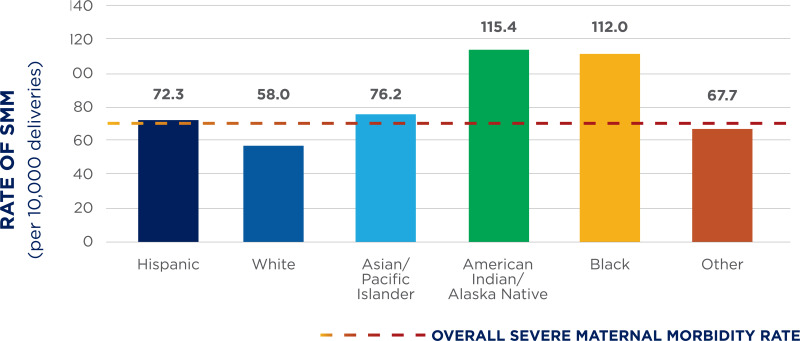
US has a shocking rate of maternal mortality-- the highest among developed countries, 49.5/100K live births (highest for black women in the US) and CVD is the major contributor to maternal mortality. Significant racial and ethnic disparities are seen: black women 2.6x risk of death compared to white women. Advancing maternal age increases risk of maternal mortality (87.1 death/100K births)


CVD accounts for 33% of all maternal deaths. Whereas infectious risk of maternal mortality have decreased over the last decade, CVD related deaths are increasing, 2/3rds are considered preventable.

Most common cause of CVD death:
  • congenital heart disease
  • ischemic heart disease
  • valvular heart disease (esp stenotic disease: aortic stenosis, mitral stenosis)
  • hypertensive heart disease
  • congestive heart failure (peripartum cardiomyopathy, esp post partum)Contributing factors; delayed response to warnings (pregnancy symptoms mimic CVD), ineffective care, misdiagnosis, lack of continuity post partum (risk continues up to 6 months after delivery)
2/3 of maternal deaths occur during post partum period, when women tend to make less time to be seen (caring for newborn, going through hormonal changes, PP depression, etc)

CV changes during pregnancy: "Pregnancy itself is a major stress test-- you are basically on a treadmill all the time". If you are at risk for CVD, in can present in pregnancy or post partum.

See image below:
Normal findings in pregnancy: systolic murmur, elevated JVP, displaced apex, edema, increase in chambers on TTE, small pericardial effusion
NOT normal in pregnancy: S4, diastolic murmur, fixed splitting second heart sound, moderate to large pericardial effusionNOTABLY Unchanged in pregnancy: LVEF, REF, PASP


American College Cardiology


Who should be referred to Cardio-OB?
change in functional status
asthma not responsive to therapy
palpitations
chest pain/tightness that doesn't improve
syncope
SBP not controlled on med
oxygen saturation <90%
hx chemo can lead to HF in pregnant women (10% risk)
existing cardiac conditions: valvular disease, CHF


Risk Assessment:

Modified WHO 2.0 risk calculator


CARPREG

Who doesn't need referral: isolated sinus tachycardia, benign ectopy, mild hypertension managed on meds, normal BNP or TTE. If in doubt, refer!

Preconception counseling: high risk patients should get preconception counseling when risk of death is so high that they really should NOT get pregnant.
Assess risk
medication review (cannot use ACE/ARB)
genetic consultation (if CHD, increased risk of fetal CHD)Testing:
TTE: echo is first line monitoring tool
Troponin, BNP not routinely monitor, but good idea to check baseline if risk factors and/or symptoms. Can then compare post partum to antepartum BNP. Troponin can be ordered routine at the lab.BNP>200 can be normal in pregnancy
BNP >300 VERY suggestive of heart failure
CXR for shortness of breath
Treadmill stress tests in pregnancy can be done safely
Zio/holter
CT chest with angiogram can be considered if benefit>> risk
Hypertension in pregnancy
Chronic hypertension (<20 weeks), gestational hypertension (>20 weeks), preE (+organ dysfunction, Pre-Eclampsia with severe features, Eclampsia (with seizures)
BP Goal <140/90
Daily low dose ASA during pregnancy for preE/eclampsia prevention >12 weeks EGA in moderate to high risk patients
Benefit>>Risk
Pre E: 71% increased risk CVD, 2.5 risk CAD, 4x risk HF

Meds for BP: labetolol (shouldn't be used in asthma, decompensated cardiac function), can use nifedipine

Arrythmias
pregnancy increases aryrthmias due to increased blood flow and hormonal changes. Most common CV complication. Increases with age >41 years.
Preventable
SVT: vagal maneuvers, beta blockers, calcium channel blockers, digoxin (can be added if BB don't work) flecainide
Defer ablation to post partum (due to risk)
Afib: BB, digoxin, 2nd line calcium channel blockers, can be safely cardioverted
Can get implanted devices if need pacemaker

Heart Failure should be treated during pregnancy, cannot be deferred to post partum
-bad outcomes for moms and babies


Peripartum Cardiomyopathy
diagnosis of exclusion
new EF <45% without reversible cause
RF: maternal age, htn, preE, prior cardiomyopathy
present in 3rd trimester to 1 month (up to 6 months PP)
20% recurrence rate, contraception is important
risk of death 5-10% at 1 year
most people with recover EF, but future pregnancy brings higher risk
Meds: loop diuretic, hydralazine, isosorbide dinitrite, digoxin, beta blocker, ((IV dobutamine can be used), AVOID: ACE/ARB/ARNI, SGLT2
Vaginal delivery is recommended unless cardiogenic shock (safer than LTCS)

Valvular Disease
preconception counseling important, especially with L side valve disease (even if asymptomatic)
send to cardiology, need to get stress test pre-conception
TTE q trimester for mild-mod valve disease
R sided valvular disease (e.g. TR), need fetal echo, rarely need intervention>> vaginal delivery preferred
L sided valvular disease: regurgitation well-tolerated, stenotic disease NOT well tolerated in pregnancy (e.g. AS or MS, even if mild). At high risk for atrial arrhthmias

CAD in pregnancy
1/10K hospitalizations after pregnancy
Risk increases 3x
RF: age, black race, eclampsia/preE, known CAD, traditional risk factors (e.g. DM)
Spontaneous dissection (SCAD) most common cause of pregnancy-related MI (conservative tx recommended)

Update on Hormonal Treatment of Menopause (Mason, 3/18/26)

A recording of this presentation is available HERE.

Many thanks to Dr. Antoinette Mason for an important presentation on Hormonal Treatment of Menopause. Dr. Mason is a graduate of our residency program and is also a graduate of our integrative medicine fellowship.

Her stated goal of the presentation: to empower clinicians to use menopausal hormonal therapy (MHT) 

Before 2002, menopausal patients regularly received MHT. After 2002, when the Women's Health Initiative (WHI) was stopped early due to concerns regarding increased rates of breast cancer, blood clots, dementia, CVD and more. This led to a lot of fear and an abrupt change in practice-- as a result, most clinicians have been trained to avoid hormones in menopause.

Over the past 15 years, there has been lots of re-evaluation of the data. Also formulations of hormones used today are not the same as those used in the WHI. Timing matters, age of start matters. 

We are now reckoning with fear, beliefs, lack of evidence, training. . .many of our leading organizations (Menopause Society, ACOG, Endocrine Society) have guidelines that confirm that MHT is safe and appropriate for many populations. 

bio-identical means "same compounds made by the ovaries" (estradiol  (E2) + micronized progesterone), but there are LOT of different formulations of these as well.

Risks of MHT:

  • blood clots: associated with oral estrogen (including OCPs, conjugated equine estrogen, oral estradiol). Oral estradiol safer than OCPs, 3-4x risk OCP vs. oral estradiol. But transdermal (patches, gels, cream) do NOT increase risk of blood clots. 
  • gallbladder disease: cholelithiasis, cholecystitis, low but increased
  • endometrial hyperplasia/cancer: unopposed estrogen therapy (need to give estrogen therapy)
  • breast cancer: WHI showed small increase in rate of breast cancer, but estrogen alone actually reduced breast cancer. Risk for breast cancer seems driven by progestin >5 years (when use mircorinized progesterone NO increased risk of breast cancer but no good RCTs). Safest approach: use MHT<5 years. We may never have RCT with clear data. 

Hormonal Cheat Sheet:


FDA approved indications for MHT:

  • vasomotor symptoms: hot flashes, night sweats
  • genitourinary syndrome of menopause: urinary/vaginal symptoms, dyspareunia
  • prevention of osteoporosis in people who are high risk (e.g. family hx, comorbidities), do NOT treat osteoporosis but does prevent fractures
  • treatment of early ovarian failure or surgical menopause
Additional benefits (not FDA approved)
  • musculoskeletal syndrome of menopause: changes in joints, connective tissues, muscles (pain, stiffness, new joint pain that is NOT arthritis)
  • mood/cognitive changes/sleep
  • quality of life
  • miscellaneous short and long impacts: fractures, colon cancer, breast cancer (estrogen alone), diabetes, improvement in insulin resistance, better blood glucose control for people with DM, LDL reduction (transdermal estradiol), reduced CVD, dementia (mixed studies, ?vascular)
Timing hypothesis: earlier is better (age <60 years of age or <10 years since menopause onset)

How to rx MHT:
  • use bio-identical hormones
  • use transdermal estrogen whenever possible
  • start early, use lowest effective dose (titrate to symptom control)
Absolute contraindications: current breast cancer or hx of breast/endometrial cancer, current or hx VTE, severe liver disease, pregnancy, uncontrolled severe hypertension (get BP under control first)

Assess risk: If high risk for VTE, do NOT use oral estrogen. If high risk CVD, look at lipids, A1c, recommend yearly mammogram, osteoporosis risk

  1. Do they need birth control or do they not want to ovulate? (if yes, consider IUD/OCPs)
  2. Do they have a uterus? (if yes, they need some progesterone)
  3. Are they having regular cycles? (if yes, luteal dosing of progesterone, if no, can use continuous progesterone)

Progesterone decline
For most people in menopause, progesterone starts to decline and estrogen gets chaotic. Eventually post-menopause, both get low but in the transition it's very unpredictable. A lot of people have symptoms associated with low progesterone state initially. Most common: anxiety, insomnia, shortening cycles, headaches. Can just use micronized progesterone alone in early menopause symptoms: e.g. start with 100mg orally or vaginally (same capsule) just 2 weeks after ovulation (in luteal phase).  . .Can later increase dose or add estradiol. If cycles are irregular and unpredictable, can use continuous progesterone at night. Vaginal progesterone can be less sedating.
LOOP events
LOOP events (luteal out of phase event): ovulatory event, and then in the luteal phase (week or two after ovulation, you get another ovulation>> can cause anemia, other issues for people).

OCP can work, but for those who don't' want OCPs, can use progesterone to stabilize the endometrium and try to reduce bleeding. Start 100mg QHS (lowest dose), can increase to 200-300mg to stabilize bleeding. Adding estradiol can help (oral helps more than transdermal but have to balance safety and benefit). Don't forget birth control!


Common Progesterone side effects: constipation (fiber/magnesium/water), morning grogginess (can try earlier in the evening, switch to vaginal formulation)

Estrogen Decline

estrogen decline symptoms: vaginal symptoms, hot flashes, irregular period

Can start estradiol (start with lowest patch>> twice weekly better than once weekly, smaller, adhesive less sticky). Currently supply chain issue, harder to get right now

Follow up 4-8 weeks because hot flashes should respond quickly>> if they don't get better, need more estrogen


Vaginal Estrogen 

Vaginal estrogen should be used liberally for genito-urinary symptoms of menopause. Vaginal estrogen can be used SAFELY for almost everyone, including post partum. Can decrease UTIs in elders. Cheap, easy, effective tool. Note there are TWO vaginal rings (one rx'd for local therapy, one for systemic therapy. Make sure you know which you are rx'ing)

Testosterone: Low dose topical testosterone VERY low dose for sexual dysfunction of menopause (1/10th male dose). Always optimize estrogen and progesterone first to see if symptoms improve. Do not put testosterone gel on clitoris.


OB and GYN update: highlights and practice changing articles from 2025 (Lund & Bacon, 3/11/2026)

A recording of this presentation is available HERE.

(late entry)

Many thanks to Drs. Allison Bacon and Erin Lund for an excellent review of important practice-changing literature from the fields of OB and Gyn in 2025. It's obviously important for us to keep track of practice-changing advances, but the task can be overwhelming and burdensome, particularly if it's an area you are not using on a daily basis. 

Dr. Bacon started us off with 3 practice-changing OB papers:

1) Quality-Improvement (QI) Strategies for the Safe Prevention of Preterm Birth, ACOG Committee Statement 17, May 2025

Key take homes:

  • current US NTSVD (normal term spontaneous vaginal delivery) rate is 25.6% but ranges 18.5-84.6%, and the WHO goal is 23.6%>> the variability represents opportunity for improvement through local QI projects
  • in fact the CMQCC initiative in California reduced rates from 26% to 22.8% (from 2014 to 2019)
  • suggested strategies to improve vaginal delivery:
    • local policies and procedures to support vaginal birth
    • labor support huddles
    • team trainings for interpretation of fetal heart rate monitoring
    • unit based policies for oxytocin and management of labor dystocia

2) FIGO good practice recommendations on preconception care: A strategy to prevent preterm birth, Int'l Journal of Gynecology/Obs 2025

  • preterm delivery is responsible for most neonatal and infant deaths
  • many risk factors for preterm birth can be targeted outside of pregnancy
  • baby-centered assessment as a part of preconception care
  • examples risk factors and interventions
    • teen pregnancies>> preconception counseling 
    • optimize screening/treatment of chronic conditions (e.g. hypertension, DM, thyroid)
    • mental health>> screen for mental health and eating disorders
    • infectious disease>> HPV vaccination, screen for STIs, preserve oral health
    • nurtitional status>> discuss BMI, dx/tx iron-deficiency

 Screenshot 2026-02-09 at 12.35.22 PM.png

3) Air Pollution Linked to Risk of Spontaneous Preterm Birth, Celeste Krewson, 2025, Contemporary Ob/gyn

  • talk to patients about PM2.5 as mechanism for for social drivers of health, use of air filters?
  • solutions driven by housing, community, city planning


Dr. Lund presented the second half on the important gyn literature:

1) ACOG Clinical Consensus #9: Pain Management for in-Office uterine and cervical procedures
  • healthcare professionals tend to underestimate the pain people with uterus may feel during a procedure, providers may deem pain management not needed and therefore not offer to patients
  • despite discrepancy between level of pain between patients and providers, patients still do report high degree of satisfaction with in-office gyn procedures
  • higher pre-procedural anxiety and anticipated pain are 
  • associated with higher pain scores
  • THEREFORE options for pain management should be offered to all patients for in-office procedures
    • IUD: topical anesthetic is more effective over placebo or misoprostol
      • lidocaine spray>> lidocaine injection (?2017 RCT)
      • no evidence to support pre-procedure NSAID, though may help for post-procedure pain
      • use of ultrasound has been shown to decrease pain of IUD insertion
    • EMB: 10% lidocaine spray (3 puffs before), naproxen 30 minutes prior reduced pain in one study, performing EMB with full bladder may reduce pain
    • Uterine aspiration: paracervical block, NSAIDs pre-procedure (for post-procedure pain), oral benzos do not reduce pain but do reduce anxiety
    • Colpo: topical/intracervical lidocaine recommended for biopsies and LEEP
  • Trauma-informed care: universal trauma precautions, given patients control over procedure, ask permission to begin/continue procedure, careful with words used (e.g. not bed, table)
2) Management of Recurrent Bacterial Vaginosis, ACOG Clinical Practice Guideline Update 12/2025

  • Recurrence is common! 66% of patients experience recurrence of BV within 12 months of initial diagnosis
  • Recent RCT comparing partner therapy for recurrent BV (treating partner with oral and topical) showed marked decrease in recurrence (35% vs. 65% at 12 weeks), absolute risk was BIG -2.6 recurrences per person per year
  • Increasing evidence that BV should be considered an STI: predominantly occurring in sexually active populations, associated with new/multiple sexual partners, there is microbiological evidence that sexual partners exchange bacteria
  • Ideal people to partner treat: monogamous male/female partners (shared decision making for other scenarios)
  • Coverage may vary-- CA extended partner therapy applies to STIs (GC/CT), MAY be applied to BV (pharmacy dependent)
  • Note clindamycin gel can weaken latex condoms
  • Also note, recent evidence based guidelines say it's okay to drink alcohol and take metronidazole!! 


Practicing Changing OB Updates in 2024-25 (Watson, 4/23/2025)

 A recording of this presentation is available HERE.

***

Thanks to Dr. Hannah Watson, our interim Maternity Care Director at the Santa Rosa Family Medicine Residency, for an excellent talk on 2024-2025 OB Updates. She covered five studies recently published, which suggested some practice changes in the care of OB/Gyn patients. I love looking at recent literature to either reinforce our current practice or to update in real time what we do clinically. 

She also toured us through some beautiful wildflowers!


Here are my take home pearls:

1) VTE prophylaxis in patients after c-section (while hospitalized) may not change outcomes. 

In this retrospective cohort study of patients who received VTE ppx vs. those who didn't, 0.31% vs 0.08% (not statistically significant) developed VTE; 6.7% vs. 1.7% were readmitted, 3% vs 1% wound complications.

Bruno AM, Sandoval GJ, et al Postpartum pharmacologic thromboprophylaxis and complications in a US cohort. Am J Obstet Gynecol. 2024 Jul;231(1):128.e1-128.e11. doi: 10.1016/j.ajog.2023.11.013. Epub 2024 Feb 12. PMID: 38346912; PMCID: PMC11194157.

2) While antepartum betamethasone (for fetal lung maturity) has excellent evidence prior to 34 weeks EGS, in patients who deliver at 34-36 weeks, the positive impact of maternal steroids varies based on gestational age AND mode of delivery (LTCS vs. vaginal). 

In this secondary analysis of the 2017 Antenatal Later Preterm Steroids (ALPS) Trial, 7ounger gestational age and surgical delivery confer greater benefit of steroids. Of note, GDM patients were excluded from the ALPS trial.

Clapp MA, Li S, Cohen JL, Gyamfi-Bannerman C,  et al Betamethasone Exposure and Neonatal Respiratory Morbidity Among Late Preterm Births by Planned Mode of Delivery and Gestational Age. Obstet Gynecol. 2024 Dec 1;144(6):747-754. doi 10.1097/AOG.0000000000005756. Epub 2024 Oct 10. PMID: 39388700.

3) Pregnant patient with GDM may benefit with improved glucose control from split dosing their long acting (i.e. glargine) insulin when using over 20-30 units per day. Also injecting prandial insulin 20-30 minutes BEFORE eating improves glycemic control. 

Valent AM, Barbour LA. Insulin Management for Gestational and Type 2 Diabetes in Pregnancy. Obstet Gynecol. 2024 Nov 1;144(5):633-647. doi: 10.1097/AOG.0000000000005640. Epub 2024 Jun 13. PMID: 38870526.

4) Concurrent partner treatment (oral metronidazole and topical clindamycin) for patients with bacterial vaginosis (BV) reduces risk of recurrence of BV by 50% at 12 weeks. 

Recurrence rates of BV were still high: 63% at 12 weeks in the control group (no partner treatment) and 35% in the partner treatment group.

https://www.nejm.org/doi/full/10.1056/NEJMoa2405404

5) The Jada (aspiration system) demonstrates equivalent outcomes to the Bakri (balloon system) for post partum hemorrhage management.

Of note, Dr. Watson says that both she and patients generally prefer the Jada system, which generally stays in for one hour; whereas the Bakri requires traction for up to 12 hours. Evidence shows either system is better the sooner it is placed.

Shields, Laurence E. MD; Klein, Catherine MSN, RN et al Effectiveness of the Intrauterine Balloon Tamponade Compared With an Intrauterine, Vacuum-Induced, Hemorrhage-Control Device for Postpartum Hemorrhage. Obstetrics & Gynecology 145(1):p 65-71, January 2025. | DOI: 10.1097/AOG.0000000000005770


Options for Menstrual Suppression (Mak, 4/16/25)

 A recording of this presentation is available HERE.  

Thanks to Dr. Ray Mak for a good refresher on menstrual suppression. A reminder from Dr. Mak up front that there are varied reasons that people with a uterus prefer to suppress their menstruation -- from personal preference to medical indications, and we can and should know how to counsel them on how to safely do so.

Check out this table that outlines some of the reasons for menstrual suppression. Not included in the table are financial reasons (people spend $6000-$18,000 over their lifetime for menstrual products) or cancer risk reduction. 

Patient preference


Challenges with menstrual hygiene

Intellectual or developmental delay

Limited dexterity or mobility 

Gynecologic

Dysmenorrhea

Endometriosis-related pain and bleeding

Menorrhagia

PMS

Abnormal uterine bleeding

Work or social indications

Military deployment or space travel

Athletes

Camping or wilderness experience


Hematologic

Anemia

Coagulation disorder

Malignancy

Chemotherapy

Other conditions worsened by menses

Irritable bowel syndrome

Asthma

Postural tachycardia syndrome

Migraines


Combined oral contraceptives
The most commonly accepted and practices way to ensure menstrual suppression comes via continuous Combined oral contraceptives (COCPS)
-efficacy is 49%, 68% and 88% are 2, 6 and 12 cycles respectively
-monophasic OCPs are preferred 
-breakthrough bleeding (BTB) is the most common side effect and decreases with time
-lower estrogen levels in OCPs is associated with more BTB
-a hormone free break of 3-4 days is usually sufficient to manage BTB
-see two images below from the AAFP with guidelines on management of BTB


Additionally, menstrual suppression can occur using alternative contraceptive modes, including:
  • vaginal ring (skipping ring-free week)>> amenorrhea 89% at 6 months, BTB more common early and diminishes with time (NSAIDs may help, no studies on adding estrogen)
  • contraceptive patch (skipping patch-free week), not as well studied, no long term data, higher estrogen exposure, similar issues with BTB
  • hormonal IUD (Mirena, Liletta)>> amenorrhea 50% at 1 year, 60% at 5 years; lower dose IUD not effective at attaining amenorrhea, can uses NSAID/estrogen or OCPs for BTB
    • depo provera injections>> amenorrhea 50-75% at 1 year, increases with prolonged use; concerns about decreased bone density over time, also weight gain/mood changes. For BTB: NSAID, estrogen, cOCPs, decreasing injection interval (e.g. 2 months)
  • etonogestrel implant>> 22% amenorrhea at 1 year, improved with prolonged use, irregular BTB is common
Aside from using contraceptive methods to induce menstrual suppression, other medications can be used, including:
  • norethindrone acetate 5mg daily, not approved for contraception>> 76% amenorrhea at 2 years, can titrate up to 15mg daily (for BTB), different than norethindrone mini-pill (0.35)
  • testosterone therapy for trans and gender diverse patients >> testosterone therapy usually suppresses by 3-6 months, transmen generally prefer to avoid estrogen  (because of desire for masculinization)
  • GnRH agonists (puberty blockers), fast onset 4-6 weeks, high efficacy 96%, no increased prothrombotic use (often used in oncologic patients)
  • Danazol
Menstrual suppression considerations for people with disabilities:
  • can they swallow pills?
  • can they tolerate invasive procedure?
  • caution: bone density, weight gain, VTE risk in pts with decrease mobility at baseline
  • scheduled withdrawal bleeding may be preferred over random BTB
Don't forget this chart:

The Pelvic Exam through a Trauma Informed Lens (Goldberg-Boltz, 1/22/25)

A recording of the presentation is available HERE

Many thanks to Dr. Nicole Boltz for an excellent presentation this week on The Pelvic Exam through a Trauma-Informed Lens. This was both a practical and meaningful presentation -- one which will stick wit you as you move quickly through your clinic day.

Here are my notes:


  • We should all be doing universal sexual assault screening for ALL patients (do not leg bias guide you). There are many ways to do this screening that are patient-centered, but there is no one right way. Remember it may take many visits (or many years) for a patient to feel comfortable enough to disclose. Meet the patient where they are.

  • The four Rs of a trauma-informed approach (SAMHSA)
    • RealizeUnderstand the impact of trauma on people and communities
    • RecognizeIdentify the signs and symptoms of trauma
    • RespondIntegrate knowledge about trauma into policies, procedures, and practices
    • Resist re-traumatizationTake action to prevent re-traumatizing individuals
  • Find humor even in the hard things we do: https://www.instagram.com/reel/C7kbKUpsuAD/?igsh=NTc4MTIwNjQ2YQ%3D%3 (this is super funny!!!!!!)

Okay, onto the Pelvic Exam:
  • Prepare a safe and non-judgmental space
    • ideally meet the patient prior to the exam or procedure (when dressed!)
    • set the ground for empowerment: they are in charge, we go at their pace, they can stop whenever
    • explain the procedure and purpose
    • ask if they want to see/touch/listen to the instruments
    • ask of they want a support person in the room
    • ask if they want you to know anything before the exam
    • ask what can be done to make the exam more comfortable
    • ask for any questions
  • Language, language, language
    • the goal is to use non-triggering language
    • empower the patient with your language (they are in charge)
    • framing matters: "when/if you are able" and "you MIGHT feel" and "would you like me to proceed or shall I pause?" and "tell me when you're ready"
    • consider these substitutions: exam table (instead of bed), drape (rather than sheet), foot rests (rather than stirrups), instruments (rather than device names)
  • Body positions matter: for some, certain positions can be triggering. Ask which position is most comfortable for them
    • in/out footrests, frog legged, on exam table
    • never force legs open
    • ask permission to move/touch body, considering tapping knee to get legs to drop

    • During exam
    • Consider distractions: toe wiggling, tapping on knees in a pattern, tapping on chest, deep breathing
  • Getting dressed: After the exam, allow patient to get dressed before you discuss findings/assessment/plans. Then explain what you did, what you saw, what are the next steps.

Physiologic Birth in the Hospital (Saedi-Kwon, 12/11/24)

 A recording of this presentation is available HERE

Thanks to Dr. Ryley Saedi-Kwon for her presentation this week on Physiologic Birth. As usual, a recording of the presentation is available above. Dr. Saedi-Kwon covered a wide range of birth topics, see my highlights below.

Physiologic Birth, as outlined in a 2012 consensus statement of US midwifery organizations includes:

  • Spontaneous onset and progression of labor
  • Includes biological & psychological conditions that promote effective labor
  • Results in the vaginal birth of the infant and placenta
  • Results in physiological blood loss
  • Facilitates optimal newborn transition through skin-to-skin contact
  • Supports early initiation of breastfeeding

2018 systematic qualitative review found that

  • Most wanted a physiological labor and birth while acknowledging that birth can be unpredictable and frightening and they may need to ‘go with the flow’

  • Small minority birth was physical process that should be conducted as quickly and painlessly as possible


What matters to birthing patients is:
  • Giving birth to a healthy baby in a clinically and psychologically safe environment
  • Practical and emotional support from birth companions and competent, reassuring, kind clinical staff
  • Individualized care
  • Sense of personal achievement and control through active decision-making
Birth Setting
Possible birth settings include hospital, home, or birth center birth. There are advantages and disadvantages to all three settings, and may patients' options are limited/controlled by financial and insurance decisions rather than personal decision-making. Whereas the hospital setting has demonstrated benefit in "high risk" deliveries, there is plenty of data showing that both home birth and birth center birth can be just as safe in "low risk" patients. Whereas hospitals offer expert and facile access to testing and timely interventions, they tend to be less private, less comfortable and allow limited freedom of movement. Birth centers have demonstrated less interventions and some improved outcomes with similar safety outcomes to hospital birth in a select patient population.
   

Racial and ethnic disparities exist. As we know, BIPOC women have increased rates of maternal mortality but also have increased rates of discrimination and mistreatment in the hospital setting, including higher rates of feeling "pressured into interventions". In one study, 30% of BIPOC patients experience mistreatment during hospital birth compared to 6.6% of patients who delivered in a birth center. 
***

There are many evidence-based and non-evidence based interventions patients and providers use/recommend to promote physiologic birth. These very across the stages of labor. Dr. Saedi-Kwon reviewed briefly the use and evidence for these interventions/options:

First stage of labor

"natural birth preparation" or "natural induction"
  • Red raspberry tea 
  • Dates
  • Castor oil
  • Primrose oil
Pain Management is an important consideration for laboring patients. IVs, medications, and pharmaceutical interventions can have a tethering effect for women, and non-pharmacological interventions have some high level evidence. These include:
  • Continuous labor support (i.e. doulas and/or partner support): associated with decreased length of labor, increased rates of vaginal birth, reduced procedural deliveries, decreased pain medications and increased patient satisfaction. Continuous labor support also allows someone to be present who is advocating for the patient during their labor. Of note, Medi-Cal now covers doula services. 
  • maternal position: upright and walking has demonstrated better outcomes
  • hydrotherapy/water immersion: decreases anxiety and improves pain without any evidence of harm 
  • counter pressure: mixed data but some studies show improved pain scores
How can we limit interventions in birth?
  • Delayed admission to L&D
  • Outpatient cervical ripening: pharm or non-pharm placed in the hospital (misoprostol or foley) with return in 12-24 hour for recheck
    • Whereas current guidelines do recommend immediate induction of labor if a patient has PROM, 95% of patients with PROM will go into spontaneous labor within 24-48 hours
  • Intermittent auscultation for fetal monitoring (via doppler)
2nd Stage of Labor
  • Perineal massage: metanalysis found a decrease rates of 3rd and 4th degree lacerations, more significant in primigravida
    • starting at 34 weeks, 3-9 o'clock posterior perineum, clean hands, lubricant (water-based or food based oil)
    • can by done by partner or self
    • even as infrequently as 1-2x week has benefit
  • Warm compresses held to perineum during/between pushing also has some evidence of decreased 3rd/4th degree lacerations
  • "Hands on" vs. "Hands poised" position (by provider): mixed evidence, comparing the two, hands on shows no reduction in anal sphincter injury
  • Pushing (studies done in patients with epidurals)
    • immediate vs. delayed, immediate pushing does decrease length of second stage and reduces rates of chorioamnionitis, but there is no different in vaginal operative delivery, laceration, or post-partum hemorrhage
    • open vs. closed glottis: closed glottis does again decrease length of second stage but does also increase risk of abnormal post partum urodynamics
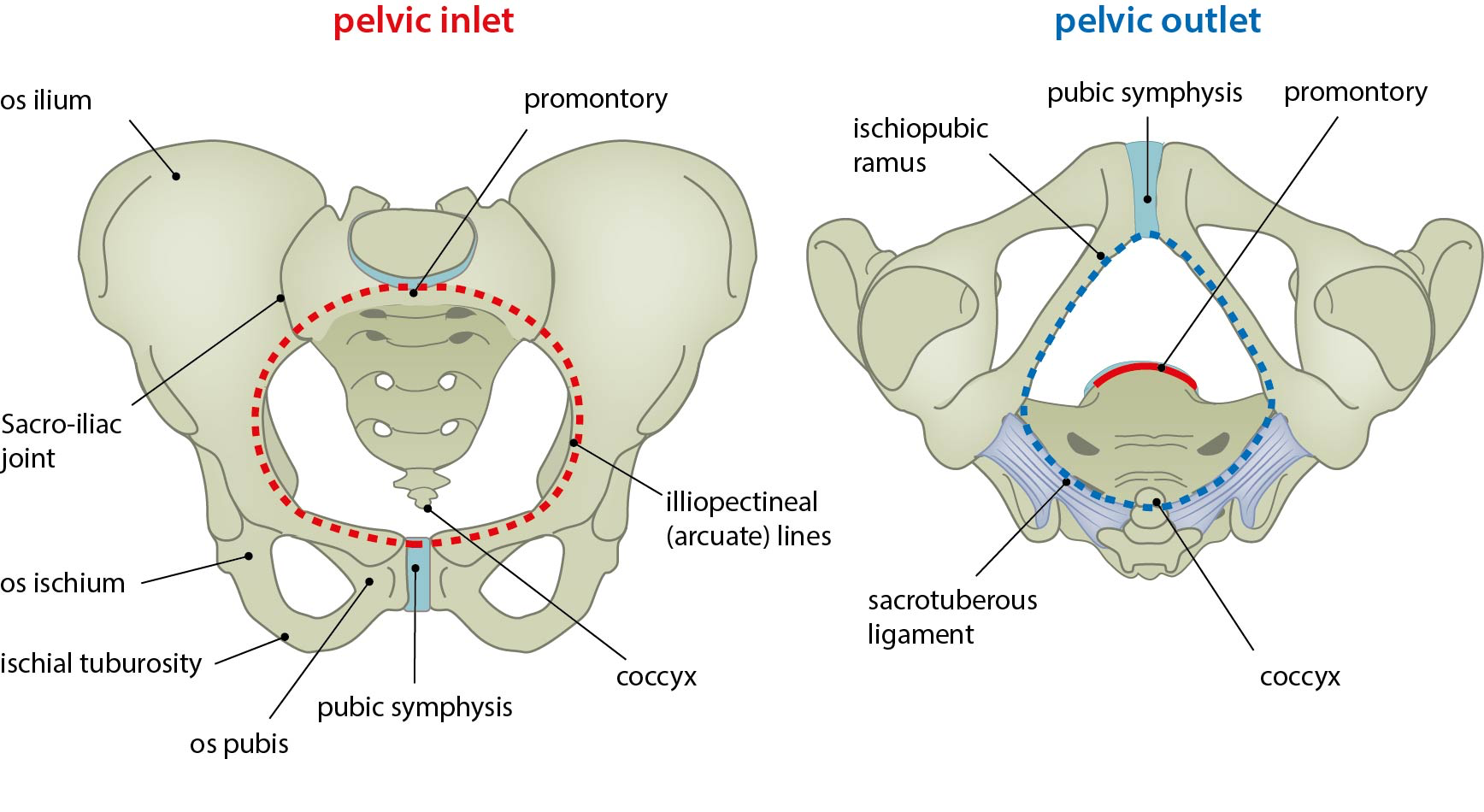
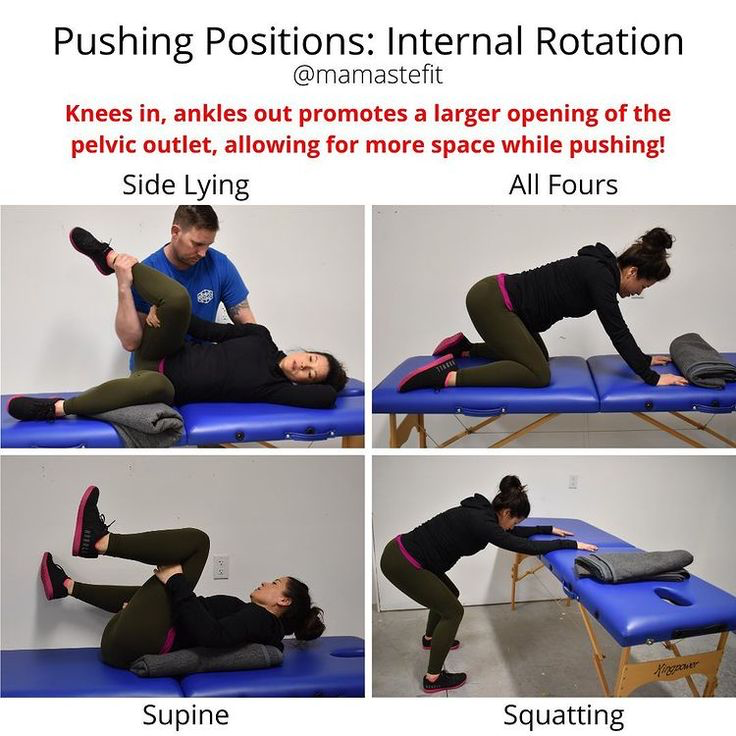
    • opening the pelvis with knees wide (traditional lithotomy) vs. with internal rotation of the knees: internal rotation does increase size of pelvic outlet
    • pushing position: upright and side lying (as opposed to lithotomy) does increase rates of intact perineum
3rd Stage of Labor
    • Delayed cord clamping increased final blood volume of neonate by 20-30% and has proven benefit in neonates, >120 seconds
      • in very preterm neonates (<28 weeks), cord milking may be preferred to allow for urgent resuscitation for non-vigorous infants
    • To decrease rates of postpartum hemorrhage (PPH): 
      • Pitocin at delivery of anterior shoulder decreases rates of severe PPH
      • cord traction with counterpressure on uterus (risks are cord avulsion (5%)and uterine inversion (<0.1%), both of which are rare
And, finally, Dr. Saedi-Kwon ended her presentation with this beautiful montage from the National Association to Advance Black Birth - Black Birthing Bill of Rights. Please check them out HERE.


Barriers to Fertility Care (Orozco-Llamas, 9/18/2024)

Many thanks to Dr. Orozco-Llamas for an excellent, thought-provoking presentation this week on Barriers to Fertility Care. A recording of her presentation is available HERE.

My notes:

2020 American Society for Reproductive Medicine definition for infertility:

  • Inability to achieve a successful pregnancy based on a patient’s medical, sexual, and reproductive history, age, physical findings, diagnostic testing or any combination of those factors.

  • Need for medical intervention to achieve a successful pregnancy either as an individual or with a partner

In patients having regular, unprotected vaginal-penile intercourse, evaluation should be initiated at 

  • 12 months when the female is under 35 years of age
  • 6 months when female is 35 - 40 years
  • Immediate evaluation may be warranted in female >40 years
Infertility affects 15% of heterosexual couples in the US
Male factor accounts for 40-50%
Female factor accounts for 35-50%
Unexplained fertility accounts for ~30%
This talk did not cover the usual fertility evaluation, but a typical plan for infertility includes diagnostic services (serum lab tests, semen analysis, imaging and diagnostic procedures, e.g. laparoscopy or hysteroscopy) and treatment services, including medications (clomiphene/letrozole), surgery (laparoscopy or hysteroscopy), intrauterine inseminations (IUI) and in vitro fertilization (IVF)

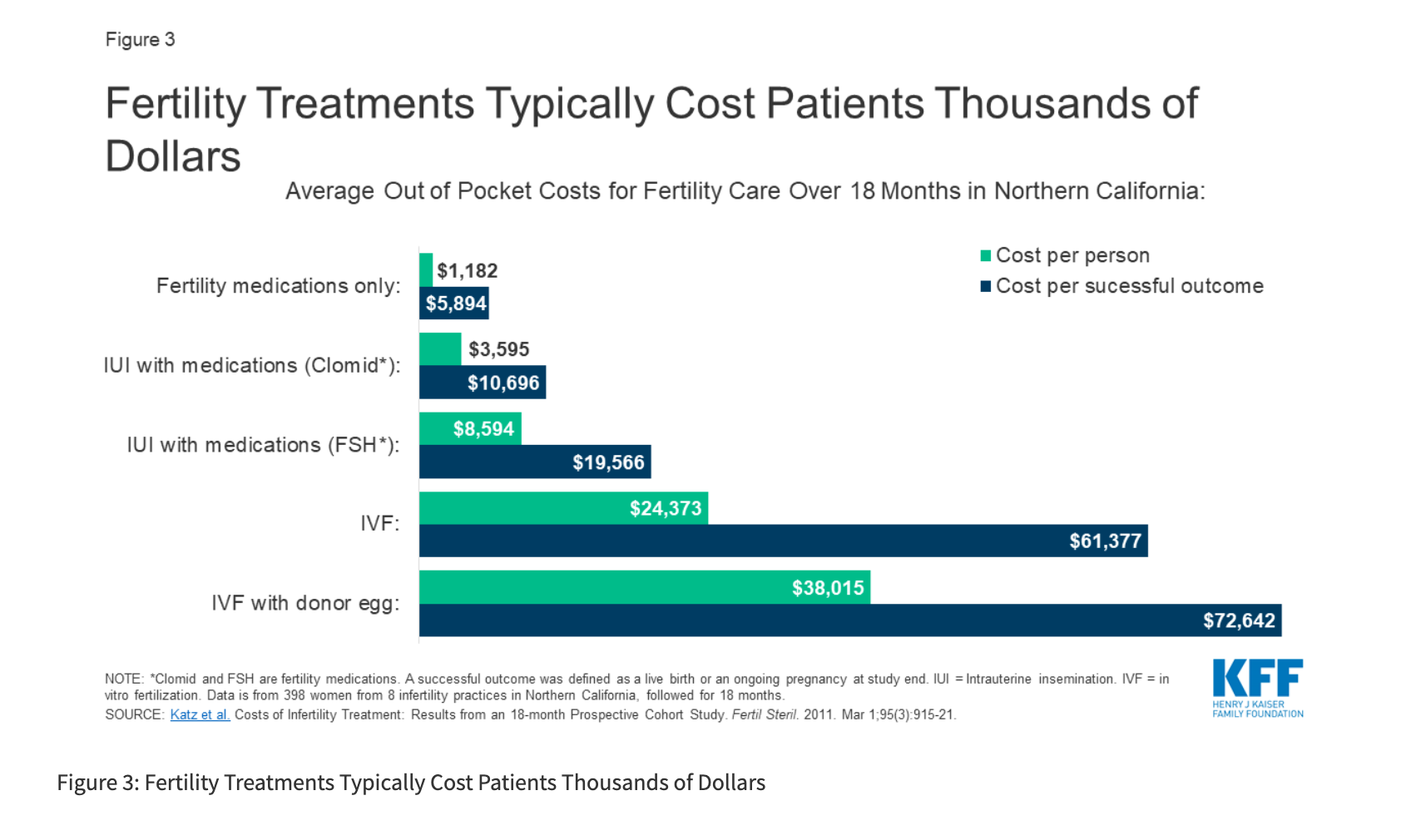
Each of these components has an associated cost:
For patients who need fertility specialty care, costs are generally self pay. At our local fertility clinic-- Advanced Fertility Associates, Inc, here are some current out of pocket costs:
  • Consult $280 

  • US done in-house $275  (even if done already at outside facility)

  • Blood work $350 (often needs repeating)

  • IUI $400 per cycle

  • IVF $10,000-$15,000 per cycle

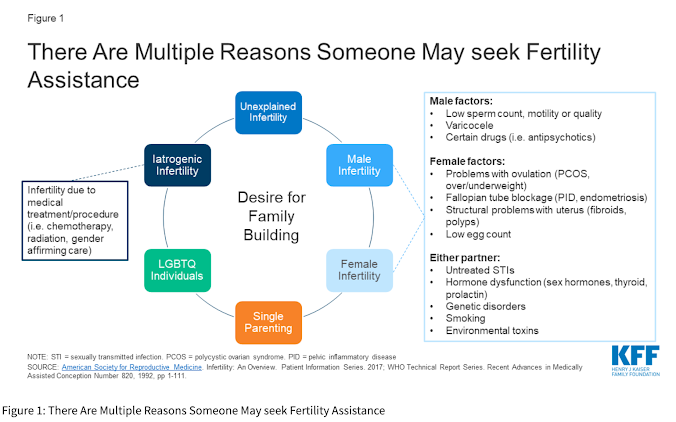
It is important to note that fertility treatments do not every guarantee a successful pregnancy and many of these costs need to be multiplied to achieve success. If you look at the graph below from KFF, you can see that whereas a single cycle of IUI may cost about $3500 dollars, the average cost per successful pregnancy is over $10,000 dollars. 

Ovulation stimulating medication is relatively low-cost for our Medi-Cal and uninsured patients (~$18 for a course of clomiphene and/or letrozole), but there is currently no in clinic IUI offered at our community health centers. Patients can be counseled on doing home insemination, which has a lower success rate.

We know that IVF has been in the national political conversations lately. It is important to note that there is wide variability in states regarding private insurance mandates around fertility care. 

As of June 2024, 23 states have mandates requiring insurance companies to include some coverage for infertility diagnosis and treatment. Of these, 15 states specifically require coverage for IVF. Most require a clinical diagnosis of infertility, often requiring all people seeking coverage, including single people and people in same sex partnerships, to demonstrate clinical infertility (sometimes requiring a rounds of IUI before covering IVF).

Where policies cover IVF, coverage is limited by either a dollar limit or a maximum number of IVF cycles.  Several of the states that mandate insurance coverage of infertility treatment do not require religious organizations, small businesses, or employers who self-insure to offer coverage. Several states require that the patient be married. Many states place an age limit on infertility treatment.

No state Medicaid (in California, MediCal) currently covers IUI or IVF.
***
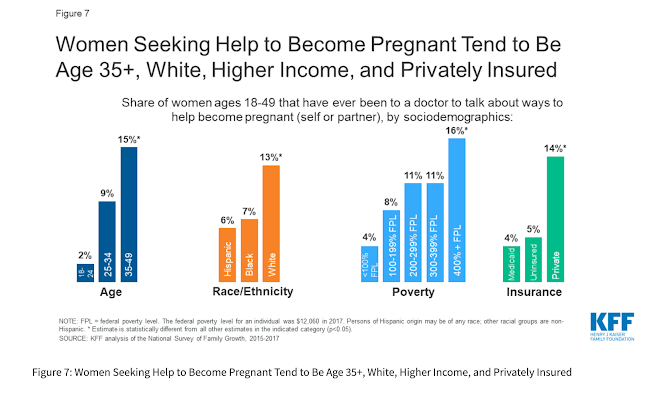
All this being said, patients of color and patients with low SES have higher rates of infertility! In fact
  • All non-white racial and ethnic groups (black, other race, and Hispanic) are significantly more likely to experience infertility than whites.

  • Both high school dropouts and high school graduates are significantly more likely to experience infertility than four-year college graduates. 

  • Women who are not white and women who are of lower SES are significantly less likely to report ever having received infertility treatment.

This is an equity issue. It shouldn't be surprising that women seeking fertility treatments tend to be older, white, of higher income and privately insured. 

Also of note, there is evidence that women who work with pesticides have higher rates of infertility. See image below for details on two studies that are highlighted. This is particularly relevant to many of our local SoCo patients who work in vineyards and local farming industry. 


What can primary care docs working in the safety net do with patients who need fertility services?
  • Talk to your  patients about fertility!

  • Refer to WHPC or GYN clinic at Vista SRCH

  • Education on infertility and ovulation cycle

  • Mental health resources

  • Diet and lifestyle modifications

  • Guidance on when to refer and providing financial information


References:
  • Bill Status - SB-729 Health Care Coverage: Treatment for Infertility and Fertility Services. leginfo.legislature.ca.gov/faces/billStatusClient.xhtml?bill_id=202320240SB729.
  • Figà-Talamanca, Irene. “Occupational risk factors and reproductive health of women.” Occupational medicine (Oxford, England) vol. 56,8 (2006): 521-31. doi:10.1093/occmed/kql114
  • Fuortes, L et al. “Association between female infertility and agricultural work history.” American journal of industrial medicine vol. 31,4 (1997): 445-51.
  • Gaskins, Audrey J, and Jorge E Chavarro. “Diet and fertility: a review.” American journal of obstetrics and gynecology vol. 218,4 (2018): 379-389. doi:10.1016/j.ajog.2017.08.010
  • “Infertility: An Overview Patient Education Booklet.” Infertility: An Overview Patient Education Booklet | ReproductiveFacts.Org, American Society for Reproductive Medicine, www.reproductivefacts.org/news-and-publications/fact-sheets-and-infographics/infertility-an-overview-booklet/.
  • Infertility Workup for the Women’s Health Specialist: ACOG Committee Opinion, Number 781. Obstetrics & Gynecology 133(6):p e377-e384, June 2019. | DOI: 10.1097/AOG.0000000000003271
  • Katz, Patricia et al. “Costs of infertility treatment: results from an 18-month prospective cohort study.” Fertility and sterility vol. 95,3 (2011): 915-21.
  • Mays, Mackenzie. “A Bay Area Cancer Patient Froze Her Eggs in Hopes of Having Children. She Can’t Afford to Finish IVF - Los Angeles Times.” Los Angeles Times, 9 Apr. 2024, www.latimes.com/california/story/2024-03-31/ivf-isnt-covered-by-insurance-in-california-hopeful-parents-are-struggling-to-afford-fertility-care.
  • Phillips, Kiwita, et al. “Infertility: Evaluation and Management.” AAFP, 15 June 2023, www.aafp.org/pubs/afp/issues/2023/0600/infertility.html.
  • Practice Committee of the American Society for Reproductive Medicine. Electronic address: asrm@asrm.org. “Definitions of infertility and recurrent pregnancy loss: a committee opinion.” Fertility and sterility vol. 113,3 (2020): 533-535. doi:10.1016/j.fertnstert.2019.11.025
  • Weigel, Gabriela, et al. “Coverage and Use of Fertility Services in the U.S. | KFF.” KFF, 15 Sept. 2020, www.kff.org/womens-health-policy/issue-brief/coverage-and-use-of-fertility-services-in-the-u-s.

Diagnosis and Management of Osteoporosis (Hamann 7/23/2026)

 A recording of this presentation is available HERE .  *** Thanks so much to Dr. Kendal Hamann, SMGR Endocrinologist, for an outstanding Gra...