Showing posts with label methamphetamine. Show all posts

Methamphetamine Associated Heart Failure (Gordon, 10/8/25)

 A recording of this presentation is available HERE.

***

Thanks so much to Dr. Lily Gordon for a really impactful presentation on Methamphetamine Associate Heart Failure. We see SO much of this condition in the hospital, and at times it can literally feel like the Wild West. Having a structured presentation helped me to understand where to focus my medical an advocacy efforts, as well as contextualizing the problem within our current times. 

Epidemiology and Trends

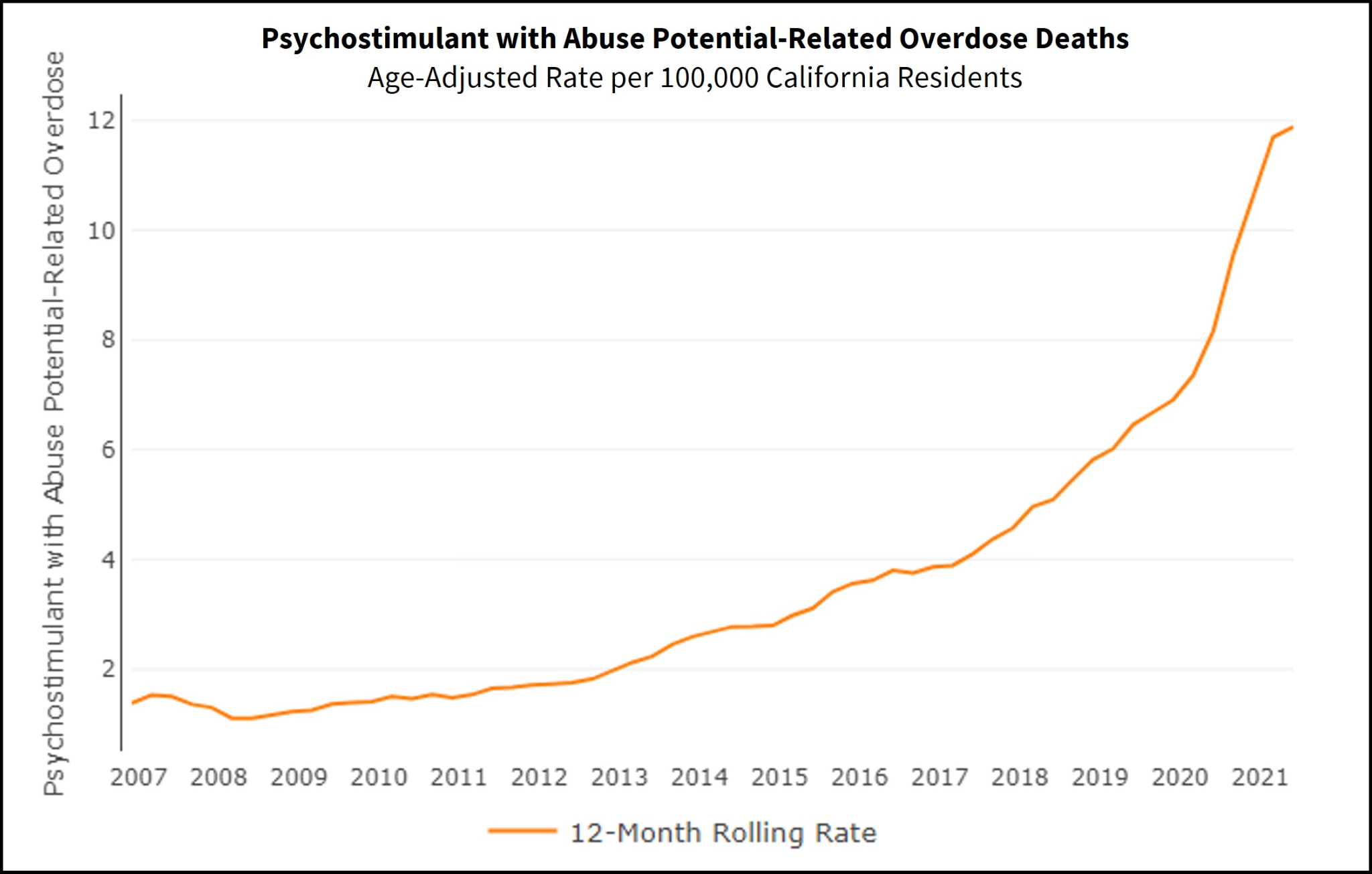
For example, it was helpful for me to hear that methamphetamine use rates have increased significantly in the last decade (see graph below), that the entire west coast is experiencing an disproportionate burden of meth-induced heart disease (see map below), and that patients with meth-induced heart failures have a documented longer length of stay and higher cost and disease burden. 


My lived experience as a hospital-based family doctor was confirmed that patients with this disease carry a high burden of social determinants of health, including housing instability and low SES, as well as disease occurring at a younger age and male-gender predominant.  

I was fascinated to revisit the physiology and pathophysiology of meth-induced heart failure to be able to understand that there are two dominant pathways through which methamphetamine impacts cardiac output, leading to heart failure: 1) direct myocyte toxicity as well as 2) sympathetic activation. 
Interestingly, for patients who use methamphetamine, binge pattern of use (leading to higher rates of inflammation), co-use with alcohol (even in low and moderate range), and an as-of-yet undiagnosed genetic predisposition are associated with meth-induced HF, whereas route of use (IV vs. smoke vs. snort) and duration. This has also been my experience-- that some patients can use for decades and not develop cardiomyopathy, whereas others can use in binge-like fashion for a relatively short period of time (less than a year) and develop heart failure. 

Diagnosis and Treatment
A reminder from Dr. Gordon that Meth-associated Heart Failure is a diagnosis of exclusion. There are no consensus guidelines on diagnostic criteria. In point of advocacy, patients with a new diagnosis of heart failure AND concomitant meth use tend to have a longer delay in getting an ischemic evaluation, as shown in the data from this 2024 paper from Kersey, et al (see below). A reminder that most patients with a new HF diagnosis should get an ischemic evaluation as part of their diagnosis.
Another important clinical pearl is that something like 33% of patients with meth-associated HF have an LV thrombus, and transthoracic echocardiogram is only 21-35% sensitive in detecting these. For patients with otherwise unexplained worsening of symptoms and/or diagnosis, some professional organizations recommend cardiac MRI vs. contrast-assisted ultrasound in order to properly diagnose LV thrombi. 

'' failed to upload. Invalid response: RpcError


Three patient-centered questions:
1) Is the damage from methamphetamine permanent?
answer: limited data from Germany (Schurer, 2017) found that the ejection fraction in patients with hear failure OFTEN improves significantly with meth cessation (as compared with continued use). This, in my opinion, may offer our patients some true HOPE. 


2) Are there treatment options to help me stop meth?
answer: there is good data that CONTINGENCY management (i.e. payment/gift cards and/or rewards) is the most effective intervention to decrease methamphetamine use and get to sustained cessation. 

Non-FDA approved (but evidence based) interventions that can be effective in helping with meth cessation include naltrexone+ bupropion (contraindicated with concomitant opioid use), mirtazapine (ideal for co-treating depression), and psychostimulants (in case of underlying ADHD).

3) What if I cannot stop?
answer: GDMT is still indicated and can improve outcomes. Patients with ongoing methamphetamine use should still be offered full GDMT. We could do better! Active meth use is not reason to withhold lifesaving treatment. The chart below shows evidence that we can be more diligent about providing full GDMT for these patients. 


Understanding Methamphetamine Use Disorder (Freschl 8/9/23)

Many, many thanks to Dr. Guille Freschl, who gave Grand Rounds this week titled Understanding Methamphetamine Use Disorder: A Deep Dive.  This was our first R3 Grand Rounds Presentation of the academic year, and Dr. Freschl knocked it out of the park. The link to a video recording of her presentation is available here. Below find my notes.   

A recording of this presentation can be viewed HERE.

***

Dr. Freschl was motivated to present on this topic by a longstanding interest in substance use disorders coupled with curiosity and concern about the oft uttered "Oh, it's probably because of the meth" that she heard from the mouths of her teachers. She was left wondering where the science meets the bias.

Did you know that amphetamine-type stimulants are the most widely used drugs in the world after cannabis?  Did you know that  between 2011 and 2016, overdoses from methamphetamine TRIPLED and that 1/4 of all overdoses in 2021 in the US were due to meth?

Methamphetamine use disorder can be seen all over the nation, but prevalence varies per region. Rates are highest in the West Coast and South. For example, prevalence of reported meth use in the past year in CA is reported at 1.04% of all adults, almost twice as much as most states in  the Northeast (see map below).
 
In California, non-fatal ED visits and overdose deaths have both risen over the last decade. In fact 32% of those in court-mandated substance use disorder treatment programs were there due to methamphetamine use. While the bulk of media and political attention is currently focused on opiates, one wonders, why aren't we talking more publically about methamphetamine?


What is methamphetamine?
Methamphetamine is an amphetamine derivative, notable for its additional methyl group; it enhances dopamine and norepinephrine in the synaptic cleft. Meth has a very long half life (12 hours cmpared to 90 minutes for cocaine). 

Why is meth bad? So many reasons. . . keep reading to understand a few of the major adverse effects. 

Cardiovascular toxicity

CV toxicity is the #1 cause of death in patients using methamphetamines, and risk of sudden cardiac death is increased by 27% with active meth use. CV toxicity includes a range of end-organ issues, including:
1) Hemorrhagic and ischemic strokes, due to vasoconstrictive effects and cerebral hypoperfusion
2) Very high rates of coronary artery disease (CAD) -- half of patients with regular meth use have CAD, despite lower rates of obesity and diabetes in these patients. This is thought to be directly related to the pro-inflammatory effects of meth. 
3) Angina, which does not respond well to nitroglycerin, is common, due to vasospasm
4) Pulmonary hypertension, especially with IV meth use, due to damage to pulmonary endothelial cells
5) Severe systolic dysfunction with LV dysfunction is another sequalae of meth use
6) Ventricular arrhythmias are notable

Neurotoxicity
Neurotoxicity is the #2 cause of morbidity and mortality in patients using meth. It rapidly crosses the blood brain barrier. It does a doozy on the brain, including disrupting pleasure centers, creating episodic memory issues, damaging executive function (2/3 of people with regular meth use show cognitive impairment, worse with older age and longer duration and frequency of use), disrupting motor function (including fine motor and choreas), and can lead to psychosis similar to schizophrenia (delusions of persecution, auditory hallucinations, and formication in almost half of people using). 

There is also a direct relationship between meth use and Parkinson's disease.

Dental effects
Serious dental effects include caries, tooth loss, tooth fractures -- all due to decreased saliva production (xerostomia), teeth grinding and jaw clenching that occurs with meth use.

Medication Assisted Therapy (MAT)?
Unfortunately, there are no FDA approved treatments for methamphetamine use disorder. A large meta-analysis of 43 RCTs with over 4000 patients found no clear evidence-based effective treatment. 

These included trials with mirtazapine (conflicting results), methylphenidate, bupropion, naltrexone and modafinil (limited evidence of benefit, no support for routine use). In addition, anticonvulsants, antidepressants, antipsychotics all low strength and insufficient evidence. Bummer. 

There was a small study that suggests that methylphenidate may be associated with decreased use over time: no difference at 30 days, but decreased in self reported use days at 10 weeks. 

Also, a small study of combination therapy --  IM naltrexone (380mg q3 weeks) PLUS PO bupropion (450mg daily) small treatment effect of 11% reduction in meth use. 

Hopefully, people will continue to investigate different agents for MAT and treatment of meth use disorder!

In conclusion, Dr. Freschl recommended that we use shared decision-making with patients when talking about trialing non-FDA approved treatment options. She reminded us to screen for CV and neurological sequelae of methamphetamine use. 

Methamphetamine Use Disorder (Nicholson, 1/8/2020)

Thank you so much to Dr. Lisa Nicholson for her excellent presentation this week during Grand Rounds on Methamphetamine Use Disorder.

Most of you are well aware that methamphetamine has some health effects and societal implications, but did you know that our very own health care system and pharmaceutical companies are responsible for introducing methamphetamine to our military pilots in WW2 (to keep them awake), to the general market OTC in 1939 (brand nameBenzedrine) and is still available even today with a prescription?
Meth has been marketed for the treatment of depression, obesity, fatigue, low libido, inattentiveness, menopause, nasal congestion, asthma, and even the common cold. (Check out the ads to the Right) 

Methamphetamine is typically smoked, inhaled, or ingested. In California, the majority of people who use meth smoke it, but in Texas, the majority inject it.
·        1.2% of Californians have used meth in the last year
·        6% of Sonoma County 11th graders have tried meth (yikes!)
·        Meth is the most common illicit substance used worldwide (after MJ)
·        In Sonoma County, meth is by far the most commonly used substance in families involved with the Sonoma County court system implicated in the abuse or neglect of children (second to alcohol)

This is MIND-BLOWING! Meth is the most addictive substance that exists: 47% of people will become addicted after first use, 60% after second use

Medical implications of meth use:
·        Acute intoxication: malignant hypertension, stroke, cardiac arrest, meth psychosis
·        Post-meth: altered mental status, irritability, violence
·        Long term: meth cardiomyopathy, dental problems, cerebral atrophy, mood disorders

A bit on Meth psychosis. . .
·        Up to 40% of users get meth psychosis, it is dose dependent, on average 1 week duration, but users with >5 years of use can have prolonged psychosis (>1 month).
o  If a patient has experience meth psychosis in the past, they are “sensitized” and more likely to experience it again in the future
·        Meth psychosis can mimic other mental illness: mania, schizophrenia, mood disorders.
o  At Zuckerberg SFGH inpatient psych facility estimates 47% of patients admitted to the inpatient ward are not mentally ill—they are high/coming down from meth (2019 study)
·        To distinguish primary psychosis from meth induced: you must have meth use BEFORE psychosis, and abstaining from meth likely will improve/make recede the psychosis
·        There is limited evidence on the use of atypical antipsychotics for thetx of meth psychosis: generally olanzapine, quetiapine. There is also evidence for the use of benzodiazepines for the treatment of meth withdrawal

A bit on hypertension. . .
Severe hypertension of meth should be treated with BETA BLOCKERS: labetolol. Tachycardia can be treated with  metoprolol (correct the catecholamine flood)
Patients with severe hypertension and chest pain are at risk for acute MI, dissection, and/or aortic aneurysm. Get a head CT if you cannot examine them thoroughly.

Meth cardiomyopathy very common (usually dilated non-ischemic, VERY low EF ~10%).
A 2017 German study found that with meth abstinence average EF increased from 20% to 43%, so STOPPING METH can improve cardiac function markedly!!!

There are no FDA approved treatments for meth use disorder. Mixed evidence for:
·        Bupropion (Wellbutrin): blocks dopamine reuptake, can help in early abstinence, modest evidence, not recommended after 4 weeks abstinence (can be triggering)
·        Mirtazapine: helps with sleep, appetite, modest reduction in meth use
·        Naltrexone: appears to decrease meth high and cravings, mixed results
·        Modafinil (Provigil): some evidence in cocaine use disorder, 2010 RCT said no better than placebo for meth
·        Adderall/Ritalin: jury still out

      
Psychosocial approaches:
Best evidence in non-pharm management of patient is for contingency management (=monetary or other tangible short term rewards for abstinence)PLUS Community reinforcement (healthy restructuring of social environment)
Not great evidence for 12-step, CPT or supportive therapy. Hmmm. No one in Sonoma County appears to currently be using contingency management—MediCal does Not cover it

Don’t forget harm reduction in patients with meth use disorder:
1)     Condoms 2) PrEP 3) Needle exchange (when appropriate) 4) Dental Care 5) Clinic structures that don’t punish people for no-shows, tending more to drop-in

Diagnosis and Management of Osteoporosis (Hamann 7/23/2026)

 A recording of this presentation is available HERE .  *** Thanks so much to Dr. Kendal Hamann, SMGR Endocrinologist, for an outstanding Gra...