Barriers to Fertility Care (Orozco-Llamas, 9/18/2024)

Many thanks to Dr. Orozco-Llamas for an excellent, thought-provoking presentation this week on Barriers to Fertility Care. A recording of her presentation is available HERE.

My notes:

2020 American Society for Reproductive Medicine definition for infertility:

  • Inability to achieve a successful pregnancy based on a patient’s medical, sexual, and reproductive history, age, physical findings, diagnostic testing or any combination of those factors.

  • Need for medical intervention to achieve a successful pregnancy either as an individual or with a partner

In patients having regular, unprotected vaginal-penile intercourse, evaluation should be initiated at 

  • 12 months when the female is under 35 years of age
  • 6 months when female is 35 - 40 years
  • Immediate evaluation may be warranted in female >40 years
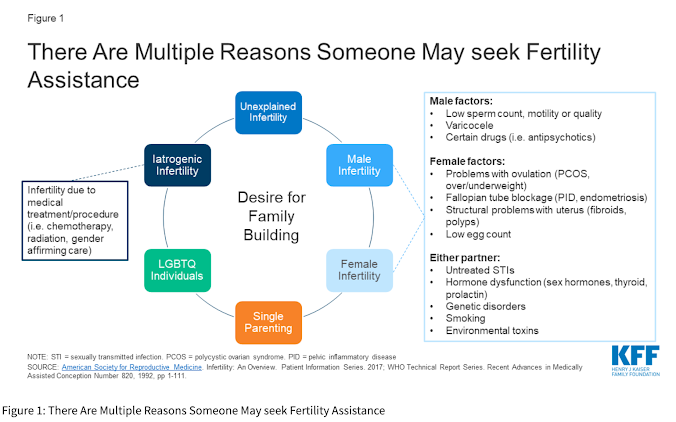
Infertility affects 15% of heterosexual couples in the US
Male factor accounts for 40-50%
Female factor accounts for 35-50%
Unexplained fertility accounts for ~30%
This talk did not cover the usual fertility evaluation, but a typical plan for infertility includes diagnostic services (serum lab tests, semen analysis, imaging and diagnostic procedures, e.g. laparoscopy or hysteroscopy) and treatment services, including medications (clomiphene/letrozole), surgery (laparoscopy or hysteroscopy), intrauterine inseminations (IUI) and in vitro fertilization (IVF)

Each of these components has an associated cost:
For patients who need fertility specialty care, costs are generally self pay. At our local fertility clinic-- Advanced Fertility Associates, Inc, here are some current out of pocket costs:
  • Consult $280 

  • US done in-house $275  (even if done already at outside facility)

  • Blood work $350 (often needs repeating)

  • IUI $400 per cycle

  • IVF $10,000-$15,000 per cycle

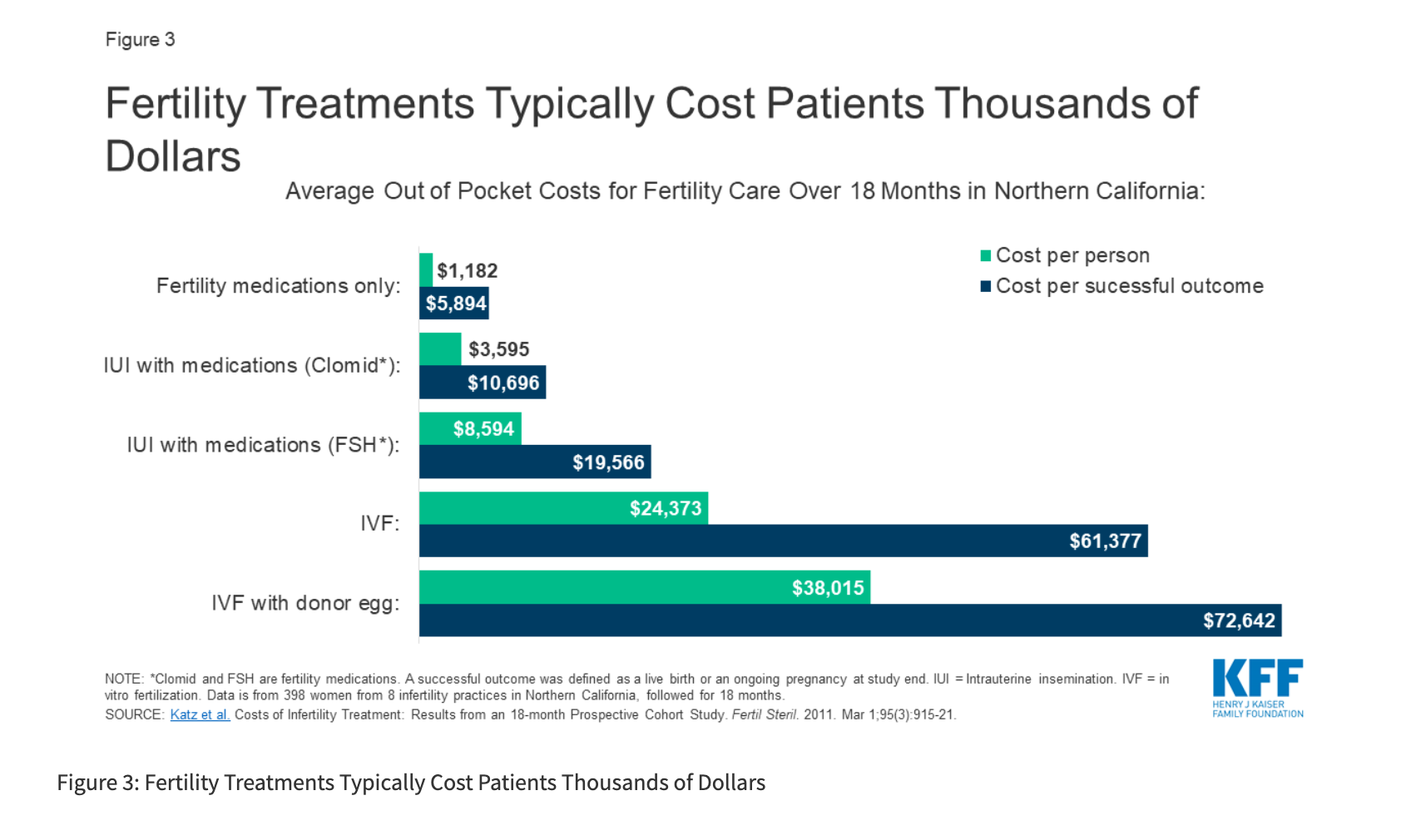
It is important to note that fertility treatments do not every guarantee a successful pregnancy and many of these costs need to be multiplied to achieve success. If you look at the graph below from KFF, you can see that whereas a single cycle of IUI may cost about $3500 dollars, the average cost per successful pregnancy is over $10,000 dollars. 

Ovulation stimulating medication is relatively low-cost for our Medi-Cal and uninsured patients (~$18 for a course of clomiphene and/or letrozole), but there is currently no in clinic IUI offered at our community health centers. Patients can be counseled on doing home insemination, which has a lower success rate.

We know that IVF has been in the national political conversations lately. It is important to note that there is wide variability in states regarding private insurance mandates around fertility care. 

As of June 2024, 23 states have mandates requiring insurance companies to include some coverage for infertility diagnosis and treatment. Of these, 15 states specifically require coverage for IVF. Most require a clinical diagnosis of infertility, often requiring all people seeking coverage, including single people and people in same sex partnerships, to demonstrate clinical infertility (sometimes requiring a rounds of IUI before covering IVF).

Where policies cover IVF, coverage is limited by either a dollar limit or a maximum number of IVF cycles.  Several of the states that mandate insurance coverage of infertility treatment do not require religious organizations, small businesses, or employers who self-insure to offer coverage. Several states require that the patient be married. Many states place an age limit on infertility treatment.

No state Medicaid (in California, MediCal) currently covers IUI or IVF.
***
All this being said, patients of color and patients with low SES have higher rates of infertility! In fact
  • All non-white racial and ethnic groups (black, other race, and Hispanic) are significantly more likely to experience infertility than whites.

  • Both high school dropouts and high school graduates are significantly more likely to experience infertility than four-year college graduates. 

  • Women who are not white and women who are of lower SES are significantly less likely to report ever having received infertility treatment.
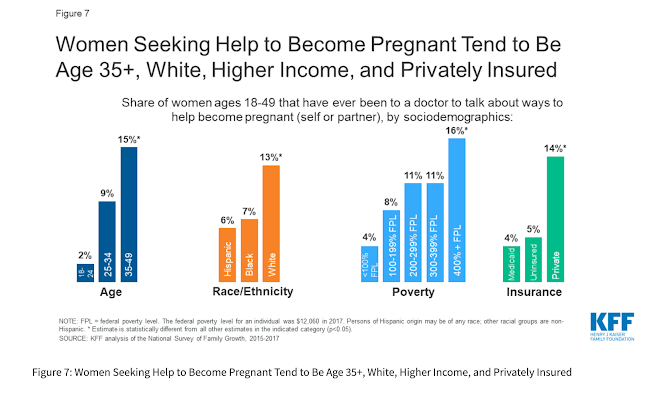
This is an equity issue. It shouldn't be surprising that women seeking fertility treatments tend to be older, white, of higher income and privately insured. 

Also of note, there is evidence that women who work with pesticides have higher rates of infertility. See image below for details on two studies that are highlighted. This is particularly relevant to many of our local SoCo patients who work in vineyards and local farming industry. 


What can primary care docs working in the safety net do with patients who need fertility services?
  • Talk to your  patients about fertility!

  • Refer to WHPC or GYN clinic at Vista SRCH

  • Education on infertility and ovulation cycle

  • Mental health resources

  • Diet and lifestyle modifications

  • Guidance on when to refer and providing financial information


References:
  • Bill Status - SB-729 Health Care Coverage: Treatment for Infertility and Fertility Services. leginfo.legislature.ca.gov/faces/billStatusClient.xhtml?bill_id=202320240SB729.
  • FigĂ -Talamanca, Irene. “Occupational risk factors and reproductive health of women.” Occupational medicine (Oxford, England) vol. 56,8 (2006): 521-31. doi:10.1093/occmed/kql114
  • Fuortes, L et al. “Association between female infertility and agricultural work history.” American journal of industrial medicine vol. 31,4 (1997): 445-51.
  • Gaskins, Audrey J, and Jorge E Chavarro. “Diet and fertility: a review.” American journal of obstetrics and gynecology vol. 218,4 (2018): 379-389. doi:10.1016/j.ajog.2017.08.010
  • “Infertility: An Overview Patient Education Booklet.” Infertility: An Overview Patient Education Booklet | ReproductiveFacts.Org, American Society for Reproductive Medicine, www.reproductivefacts.org/news-and-publications/fact-sheets-and-infographics/infertility-an-overview-booklet/.
  • Infertility Workup for the Women’s Health Specialist: ACOG Committee Opinion, Number 781. Obstetrics & Gynecology 133(6):p e377-e384, June 2019. | DOI: 10.1097/AOG.0000000000003271
  • Katz, Patricia et al. “Costs of infertility treatment: results from an 18-month prospective cohort study.” Fertility and sterility vol. 95,3 (2011): 915-21.
  • Mays, Mackenzie. “A Bay Area Cancer Patient Froze Her Eggs in Hopes of Having Children. She Can’t Afford to Finish IVF - Los Angeles Times.” Los Angeles Times, 9 Apr. 2024, www.latimes.com/california/story/2024-03-31/ivf-isnt-covered-by-insurance-in-california-hopeful-parents-are-struggling-to-afford-fertility-care.
  • Phillips, Kiwita, et al. “Infertility: Evaluation and Management.” AAFP, 15 June 2023, www.aafp.org/pubs/afp/issues/2023/0600/infertility.html.
  • Practice Committee of the American Society for Reproductive Medicine. Electronic address: asrm@asrm.org. “Definitions of infertility and recurrent pregnancy loss: a committee opinion.” Fertility and sterility vol. 113,3 (2020): 533-535. doi:10.1016/j.fertnstert.2019.11.025
  • Weigel, Gabriela, et al. “Coverage and Use of Fertility Services in the U.S. | KFF.” KFF, 15 Sept. 2020, www.kff.org/womens-health-policy/issue-brief/coverage-and-use-of-fertility-services-in-the-u-s.

CKD transition to Hemodialysis (Cheung, 9/11/2024)

 Many thanks to Dr. Eric Cheung, nephrologist, for a great talk on transitioning patients with CKD to Hemodialysis. 


A recording of his presentation is available HERE

My notes:


Dr. Cheung began with the global trends of dialysis. While center-based hemodialysis (HD) is much more common in the US (~90% of US pts), home peritoneal dialysis (PD) is much more common in developing countries (it’s cheaper and requires less infrastructure). Interestingly PD rates are also quite high in Hong Kong (80%) where ALL patients are mandated to start dialysis on PD. 


In general the highest rates of dialysis are in the wealthiest countries. 


In the US, there are 468,000 patients on dialysis, and 193,000 with a functional transplant.


One area we need to improve in is telling our patients they have CKD.  

  • Of patients who have CKD 1-3 (who are thus asymptomatic), less than 10% know they have CKD
  • For patients who are CKD stage 4, only 45% know they have CKD. Yikes!


There are several types of transition from advanced CKD:

  • Advanced CKD -> dialysis
  • Advanced CKD -> pre-emptive transplantation
  • Changing dialysis modalities (HD>> PD, PD>> HD)
  • Failed transplant -> dialysis
  • Dialysis -> transplant

And don’t forget that no initiation of dialysis is an option- just conservative management


Categorizing patient risk for progression from CKD to HD:

  • High Risk Patients: any patient with diabetes (especially those with proteinuria), uncontrolled HTN, CHF, cirrhosis, >60 years old, and Polycystic kidney disease.
  • Lower Risk Patients: AKI with recovery (i.e. Sepsis, cardiac arrest, dehydration, obstructive uropathy), ironically Polycystic kidney disease (really based on family history—if hx of PKD on HD high risk for HD, if PKD but no progression, unlikely to progress)

There is an online calculator to help! https://kidneyfailurerisk.com


Does it help to start dialysis early (GFR 10-14) vs late (GFR 5-7)?

  • The IDEAL study for ASYMPTOMATIC patients with CKD shows us that there is NO difference in mortality. So…
    • if the eGFR is >15 or is 5-15 without symptoms -> monitor (of course with the help of your friendly neighborhood nephrologist
    • if the eGFR is 5-15 with symptoms or <5 -> start dialysis

Initiation of dialysis is risky!  Especially the first several months— there is a 7-10x increase in death (even over all dialysis patients who already have a high mortality)! Cardiovascular and infectious causes are major causes of increased mortality. Indications to initiate dialysis include:

·         Absolute indications: uremic encephalopathy, uremic pericarditis/pleuritis

·         Common indications: declining  nutrition/appetite, fatigue/malaise, mild cognitive impairment

Ideally, initiation starts gradually with advanced planning including setting expectations and getting long-term access coordinated (see below).

However, some patients need to start HD in the hospital – if no other option, poorly controlled HTN or hypotension, active angina, hx of seizures, or lack of social support.


Hemodialysis Access:

·         AV fistula is preferred and often lasts the longest and is basically a direct connection of the artery and vein in the forearm. Greatest risk of clot in the first month but thereafter clots are uncommon. Can last decades.

·         AV graft needed sometimes in vasculopaths and connect the artery and vein, but tends to clot when no longer in use.

·         Central venous catheter/tunneled cath: definitely least preferred but often used in transition. It is inserted into the internal jugular (NEVER the subclavian due to risk of stenosis), double lumen 14-16 french.

Tips from your friendly nephrologist for primary care providers:

 Medications to avoid/adjust:

o   DM: ask CKD progresses, pts generally need less insulin needed because it hangs around longer; ALWAYS stop metformin when GFR <30 to avoid lactic acidosis; and d/c thiazolidinediones

o   HTN: as CKD progresses, stop ACE/ARBs (but after they start on HD they are great HTN meds)

o   Seizure/Pain meds: avoid gabapentin and baclofen which have toxic metabolites in CKD/ESRD

o   Antibiotics: Bactrim/Septra – don’t use in CKD patients since the SMX component can cause hyperkalemia; Cefepime can accumulate (care with this!)

 Preserve the Veins in your CKD patients long BEFORE they may need dialysis!

  • Avoid subclavian lines
  • Avoid PICC lines and midlines as much as possible
  • For phlebotomy, use dorsal veins of the dominant hand instead of AC fossa

And last but not least. . .Dr. Cheung’s personally preferred form of dialysis? (and hopefully he never needs it!)….HD at HOME!  (yes, this is actually an option). Rare but has lower mortality and complications than HD at centers


Neurodiversity in Medical Education (Biradar, 9/4/2024)

Deep gratitude this week to Dr. Sony Biradar for a thought-provoking Grand Rounds presentation on Neurodiversity in Medical Education. It was one of those presentations that sticks with you all day, makes you wonder if maybe you've been thinking about things incorrectly for a long time. I recommend watching the recording if you or someone you love identifies as neurodivergent OR if you work with or supervise someone who does.

A link to the recording will be available HERE.

Here are some key take homes:

  • Neurotypical describes someone whose cognition is aligned with societal norms, i.e. whose brain functions are considered usual or expected by society.
  • Neurodivergence describes someone whose cognition and processing are different than "the societal norm".
  • Some neurodivergent people have an associated diagnosis (e.g. ADHD, autism), but not all.
  • 15-20% of the population is neurodivergent 
  • Neurodivergent people suffer high rates of unemployment, have disproportionate rates of anxiety, depression and risk of suicide
Dr. Biradar spent a fair amount of time talking about the idea of disability as a social construct -- first, that neurodivergence has long existed in society and may even have some developmental benefits that has ensured its persistence. In the medical model of disability (one which we are all a part of), impairments that affect one's quality of life need to be "fixed". In contrast, in the social model of disability, conditions are themselves not a disability, it is societal structures that make them disabling. 

The prevalence of neurodiversity in medical training has not been well-studied, nor has the experience of students and trainees. Dr. Biradar posits that certain adaptive behaviors/challenges may be heightened in neurodivergent trainees:
  • masking: trying to hide one's neurodivergence may lead to increased exhaustion, higher rates of burnout, and even increased suicidality
  • hidden curriculum (socialization that happens for trainees when what they see differs from what is said/what they are taught)
  • imposter syndrome: may be increased for neurodivergent trainees
  • double empathy: a type of stereotype threat. . .
  • otherness: when trainees feel different from the norm, this may impact their ability to learn and perform
Dr. Biradar talked about how the process of moving through residency training-- acquiring knowledge and skills from attendings -- may simply be more challenging for neurodivergent trainees simply because the way they work/think is, by definition, different from the "medical norm". 

Residency training is known to be intense, overwhelming, and stressful. The inputs are numerous.
Experiencing this level of stress as a neurodivergent learner may be particularly overwhelming. Don't forget intersectionality,  Dr. Biradar cautions, for we know that other identities (namely BIPOC learners already experience these 

What can we do? How do we support neurodivergent learners? 

Start with being strength-based, says Dr. Biradar. Look for ways to help learners demonstrate their strengths, do not just focus on their deficits. Also, consider the theory of multiple intelligences-- different ways that learners learn and acquire new information (oral, visual, audio, reading, etc). Offer multiple options.  Promote psychological safety in your learning environment, as well as mentorship. Also encourage and promote increased neurodiversity in leadership and encourage community

Finally, consider the concept of compassionate pedagogy, asks us to be critical of institutional and cultural practices in medical training.  Compassionate pedagogy is a collection of teaching practices designed to foster human connection, communication, and wellbeing. The approach revolves around listening to students’ lived experiences and offering flexibility to accommodate their struggles. If we want our students to learn well, we need to honor the often imperfect way they show up. 
Dr. Biradar closed her presentation with the comic below, which captures some of the challenges of neurodivergent learners -- and the potential benefit of medication treatment for some conditions (in this case ADHD). 
References:

AoME Insights Embracing Neurodiversity in our Healthcare Educators 29 March 2023. (2023). Academy of Medical Educators.
https://www.youtube.com/watch?v=Ugx2WjkKvSI

Duong D, Vogel L. Untapped potential: embracing neurodiversity in medicine. CMAJ. 2022 Jul 18;194(27):E951-E952. doi:
10.1503/cmaj.1096006. PMID: 35851534; PMCID: PMC9299741.

Fung, L.K. & Doyle, N. (2021). Neurodiversity. The new diversity. In: Neurodiversity. From Phenomenology to Neurobiology and
Enhancing Technologies.

Goldberg H. Unraveling Neurodiversity: Insights from Neuroscientific Perspectives. Encyclopedia. 2023; 3(3):972-980.
https://doi.org/10.3390/encyclopedia3030070

Hamilton LG, Petty S. Compassionate pedagogy for neurodiversity in higher education: A conceptual analysis. Front Psychol. 2023 Feb
16;14:1093290. doi: 10.3389/fpsyg.2023.1093290. Erratum in: Front Psychol. 2024 Feb 20;14:1345256. doi:
10.3389/fpsyg.2023.1345256. PMID: 36874864; PMCID: PMC9978378.

Robinson D. Neurodiversity in medical education: How can we improve postgraduate learning for neurodiverse doctors? Med Teach.
2022 May;44(5):564-566. doi: 10.1080/0142159X.2022.2039383. Epub 2022 Mar 2. PMID: 35236237.

Shaw SCK, Fossi A, Carravallah LA, Rabenstein K, Ross W, Doherty M. The experiences of autistic doctors: a cross-sectional study.
Front Psychiatry. 2023 Jul 18;14:1160994. doi: 10.3389/fpsyt.2023.1160994. PMID: 37533891; PMCID: PMC10393275.

Syharat CM, Hain A, Zaghi AE, Gabriel R, Berdanier CGP. Experiences of neurodivergent students in graduate STEM programs. Front
Psychol. 2023 Jun 15;14:1149068. doi: 10.3389/fpsyg.2023.1149068. PMID: 37397290; PMCID: PMC10311419.

Taylor G. Editorial: Embracing neurodiversity in medicine. Aust J Gen Pract. 2021 Mar;50(3):101. doi: 10.31128/AJGP-03-21-1234e.
PMID: 33634273.


Perinatal Mood Disorders (Zechowy, 8/28/2024)

Many thanks to Dr. Jill Zechowy for an excellent presentation this week on Perinatal Mood Disorders. A link to the recording is available HERE

My notes:

  • PPD: perinatal/post partum depression
  • PPA: perinatal/post partum anxiety
  • PMADs: perinatal mood disorders (including depression, bipolar, anxiety including panic, OCD, GAD)
PPD is persistent low mood lasting >2 weeks, occurring in pregnancy or in first year postpartum, dx'd the same as other forms of depression with the SIGECAPS pneumonic:
  • Sleep
  • Reduced Interest
  • Guilt
  • Low Energy
  • Impaired Concentration (may be criteria for extending disability)
  • Appetite (crave carbs, have low appetite)
  • Psychomotor agitation or slowing
  • Suicidality

In the first YEAR of life, maternal mental health diagnoses are the number 1 cause of maternal mortality (death from suicidality and/or drug overdose)

PPD differs from major depression in a few ways: more anxiety, changed sleep/lifestyle, parenting responsibilities

Costs for moms/women: PPD affects 1/7 women, PMADs in 1/5 women, 1/10 partners/adoptive parents (roughly 1 million people/year). Depression impairs women's ability to bond with baby, delays/impairs attachment. Depressed moms are less responsive to their babies -- children born to women with untreated PPD are more likely to have externalized behaviors (e.g. conduct issues, fights in school, shouting, hitting, aggressive behaviors). PMADs major cause of divorce, suicide.

Costs to infant: if a person with a uterus is pregnant with depression, more likely to have pre-term birth, SGA, impaired brain growth, developmental delay, behavioral disorders, attachment disorders. Untreated PPD is an ACE for the child.

Who is at risk? People with prior history of depression/anxiety is at increased risk, family history depression/anxiety (even  in a male relative) increases risk of PPD. Trouble sleeping in pregnancy has the strongest correlation with PPD in perinatal time. 

PPD is caused, in part, by hormone changes (e.g. allopregnanolone levels plummet at birth, women with a genetic issue with pregnanolone receptors have severe PPD). But hormones are only part of the explanation. There are other biological issues. Right now, our awareness of mental health of children is so acute that it is a particularly difficult time to mother/parent. The demands of parenting are also an extreme stress.

Screening

All pregnant people should be screened for PPD, positive Edinburgh screening is 9-12 (out of total 30). ACOG recommends in first trimester, again at "later trimester" and every postpartum visit. AAP recommends "mothers be screened for PPD at 1, 2, 4 and 6 month visits". 

  • Assess for suicidality: pay particular attention to the suicide question on your screening tool.
  • Ask how women are sleeping.
  • Screen for bipolar disorder: history of bipolar disorder, family with bpd, ever a time they were agitated/impulsive/didn't sleep/more sexual
    • bipolar disorder most often diagnosed postpartum
  • Look for evidence of psychosis
Intrusive thoughts vs. Postpartum psychosis
Intrusive thoughts are common in perinatal period (common in PPA, OCD flare). Intrusive thoughts are scary, harsh images of harm coming to the baby (e.g. tripping on baby, imagining pot of hot water burning the baby). These intrusive thoughts make women scared of holding the baby. These get better with time away from baby, more sleep, more support, or OCD/anxiety is treated. They are NOT at risk of harming their baby because the idea is abhorrent.

In psychosis, it is more ego-syntonic. It feels okay, comfortable. People hear voices to kill their baby. This is VERY different. Women with psychosis have very high risk of infanticide (1/1000 risk of killing baby). They need urgent assessment and should not be left alone with their baby. Need ER assist. There is a mother-baby unit in Stanford. 

Principles of treatment
Therapy, medications are both first line. Medication may be more accessible in resource-poor settings.

Also, try not to allow breastfeeding to impair sleep: 5 hours in a row is better than 8 hours with three interruptions due to 3 REM cycles in a row, which is more replenishing for our brain biochemistry.

Don't be shaming when talking about breastfeeding. If a bottle of formula (or pumped milk) allows mom to get 5 hours of sleep, no shame and no blame. Can use power pumping, which is better than pumping in the middle of the night (don't set your alarm q3 hours to pump in the middle of the night).

Medication prescribing: weigh risks of treating vs. risk of untreated depression.
Don't change medication just because a woman is pregnant. 
Don't treat someone halfway (e.g. the lowest dose, but not effective dose, increase sertraline from 25 mg (too low) to more effective/therapeutic dose). When you do this, you are exposing infant to both the medication AND the depression.

Sertraline (Zoloft) has the most safety data, but that doesn't mean it's the safest medication. There isn't enough data to know which SSRI is safer. Sertraline does work for a wide range of diagnoses, so if a woman isn't on medication, sertraline is a good first start. BUT if a person has tried multiple anti-depressants, it's okay to continue that medication; don't switch to sertraline, especially if it didn't work for them in the past.

Perinatal psychiatrists use Reprotox.net (has every study on any medication in pregnancy) or MothertoBaby.org (patient handouts Eng/Spanish)

5 Risks of SSRI:

  • poor neonatal adaptation (akin to SSRI withdrawal), occasionally NICU for monitoring and blood sugar
  • pulmonary hypertension of newborn: very low risk
  • cardiac defects ?some studies show yes, others no (cardiac side effects documented in paroxetine, fluoxetine (rx'd often for PMDD)
  • bipolar disorder: do not want to precipitate mania, consider quetiapine QHS for someone who have postpartum bipolar disorder. Get psychiatrist help
  • suicidality (always recheck 2 weeks after starting SSRI). Agitation can happen without warning, can be result of agitation that an SSRI can cause, unknown element of BPD. National Suicide Hotline 9-8-8. If they have thoughts of hurting themselves, should stop the med and let you know. 
For Insomnia/Post Partum Anxiety: can use very very very low doses of quetiapine (1/4-1//8 of a 25mg tablet of quetiapine): undetectable in breastmilk. May be safer than sleeping meds (less likely to roll over baby). Consider as adjunct for anxious patients who do not meet criteria for mania but for whom you are worried about starting sertraline. 

The newest treatment option for PPD is Zuranolone: synthetic analog of allopregnanolone. Works very quickly (within 3 days). Only 2 week course (14 pills), Can be done on top of SSRI, anti-psychotic, lithium. Causes profound sedation (no driving). No safety information in breastmilk. Very costly: $1000+/pill, $15,000 for a course. 

Preventing PPD

With specific techniques, up to 50% of PPD can be prevented. Lots of studies that we can prevent a good percentage of PPD: self care, support, sleep. Needs to be included in prenatal classes. We need policy change (paid maternity leave in the US!). Need to address partner treatment (male/female).

Oxygen Delivery and BiPAP (Manjuck, 8/14/2024)

Many thanks to Dr. Janice Manjuck, our SSRRH ICU Director, for an excellent Grand Rounds  this week on Oxygen Delivery and BiPAP for hospitalized patients. Dr. Manjuck gave us a nitty gritty review of when/how/why we might select one of many oxygen delivery devices. She combines humor, basic science, and evidence in just the right blend to bring us clinically relevant learning. We are so grateful!

A recording of her presentation is HERE. Feel free to check it out.


My notes:

First, off, when should we be using oxygen?

  • if patient is acutely ill, oxygen is not indicated unless saturation is <96% (this excludes sickle cell crisis, CO poisoning, profound anemia (Hb <3) and pneumothorax
  • in ACS/CAD aim for 93% saturation
Hypoxemia is a theoretical concern.

Pulse oximetry is not always reliable. SQ1 of 1 on the monitor tells us if the signal is reliable We should be suspicious about pulse oximetry -- it is not reliable in cases of poor perfusion, nail polish/artificial nails (think Olympic runners), tremor/movement disorder/seizure, anemia and CO poisoning (e.g. HB<5, bilirubin>30), bright lights (can falsely lower readings).

Of note, patients of color are MUCH less likely to have reliable reading from a pulse oximeter.
In a 2022 NEJM study of patients comparing ABG results to pulse oximeter readings, 11% of black patients had falsely elevated pulse ox readings (compared to 3% of white patients). This means a normal pulse oximeter reading may be falsely reassuring in BIPOC patients. 

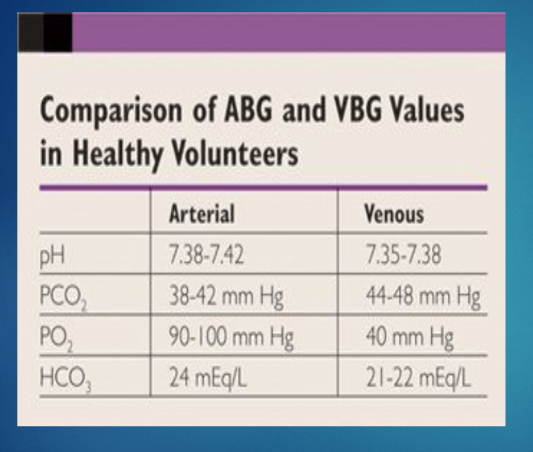
ABG vs. VBG: For patients NOT in shock, a VBG is a relatively good alternative to an ABG,  particularly if you are getting the VBG to trend PCO2 in hypercapnic patients. VBGs are easier to get and less painful for patients. However, please note, if a patient is in shock, an ABG may be needed. Do not be offended if the intensivist asks for an ABG for an unstable floor patient!

Okay, when patients need oxygen, what kind of oxygen should I give them? It is important to take into account their clinical status, their comorbidities, and why they need oxygen. Low flow systems, which can deliver 0-15LPM of oxygen, are good for patients with a stable respiratory rate and pattern. High flow systems -- which can deliver 50-60 LPM-- may be better for patients who are more tachypneic. 


Dr. Manjuck reviewed the concepts of anatomical dead space and entrainment

  • Anatomical dead space  is the internal volumes of the upper airways, in which no gas exchange takes place -- on average about 150 ML in a 70 kg person. Air is warmed, filtered and humidified in this space, but no gas exchange occurs. So it is essentially "wasted space". 
  • Entrainment is when room air mixes with oxygen due to a negative pressure gradient. In other words, it is the air that leaks around the oxygen delivery device. This is more common in nasal cannula<<face mask<<HFNC.
Which oxygen device is indicated? Depending on this oxygen needs of the patient, these two concepts may be important in which oxygen delivery device you choose. Other questions include: what interface is more desirable (e.g. nasal cannula vs. face mask)? how precise does the FiO2 need to be titrated? Does the air need to be humidified? Are other therapies (e.g. bronchodilator) needed? Low flow delivery tends to be more comfortable.

Low flow oxygen delivery systems include nasal cannula (NC), simple face mask, non-rebreather face mask, and venturi face masks. They can  deliver 0-15 LPM of oxygen. 
  • Nasal cannula coming from wall is always delivering 100% oxygen, each 1L/min is equivalent to 3-4% FiO2, remembering that room air contains approximately 21% oxygen, SO
    • 1 LPM=24% oxygen
    • 2LPM=28% oxygen
    • 3LPM=32% oxygen
    • 4LPM=36% oxygen
    • 5LPM=40% oxygen
    • And so on. . .This means that 10 LPM on a nasal cannula gets you about 60% FiO2. See chart .
    • A (simple) low flow mask can delivers upwards of 60-70% FiO2 IF the patient is breathing normally (essentially maxed out at 15LPM)
    • A non-rebreather mask ALSO gives about 15LPM max of oxygen, which is ~60-70%. It does not flood the face, but rather floods the bag, which is a means to effectively deliver high levels of oxygen anywhere in the hospital. It can deliver 75-90% FiO2, but100% non-rebreather should be considered a fast track to something else (i.e. BiPAP, HFNC or intubation)


High flow systems include HFNC, CPAP, BiPAP, and mechanical ventilators; these are all positive-pressure systems and can deliver 15-60 LPM. This level of oxygen delievery is indicated in profound hypoxemia, hypercapnia AND/OR both. 

Positive pressure systems can recruit alveoli, assist mechanical work of breathing, may ensure better oxygen delivery and increase functional residual capacity. Disadvantages include being confining/claustrophobia-inducing, may increase the need for sedation, increase risk of infection, increase in aerophagia, and they may reduce cardiac output (especially if patient is dry). 

HFNC, which delivers 50-60 LPM, must ALWAYS be humidified and warmed. It offers "a little PEEP" for patients who need it. Good for elevated respiratory rate.  Continuous high flow oxygen literally washes out the upper airways, leaving a reservoir of oxygen in the upper airway (pharynx) available for ongoing oxygen exchange. It also avoids rebreathing CO2, thereby decreasing anatomical dead space. 

EPAP=CPAP=PEEP

Home CPAP has variable oxygen delivery, is not titratable, and not always humidified. Do NOT use home CPAP if patient hospitalized for respiratory reason. Hospital CPAP, on the other hand, is more titratable in terms of PEEP. 

The worse the hypercapnia, the better to use BiPAP. Think of BiPAP as a non-invasive ventilator. It has different interfaces, can be humidified, you can titrate the oxygen more precisely, and you get feedback on its efficacy. 


Tradition to Transition: Dietary Shifts in Immigrant Patients (Rayas, 8/7/2024)

Muchas gracias to Dr. Lourdes "Lulu" Rayas for a wonderful presentation this week on food customs and Habits in our Mexican immigrant patient population. She titled the presentation, From Traditional to Transitional: Dietary Shifts with Immigration.  

A recording of her wonderful (and tasty) presentation is available HERE

***

My notes:

16% of our population in Sonoma County is foreign born.

Chronic disease is more prevalent  in the Latinx population. In fact, compared to non-Hispanic whites,

  • Hispanic adults 70% more likely be diagnosed with DM2
  • Hispanics are 1.3x more likely to die from diabetes 
  • Hispanics have 2x risk of being hospitalized with ESRD
Of note, the immigrant paradox is a statistical pattern that shows first-generation immigrants may have better health outcomes than native-born people of the same age, race, and gender, even if they have lower socioeconomic status. This pattern has been observed for cardiovascular disease, mental health, and mortality. However, recent research suggests that immigrants may experience a decline in cardiovascular health over time. 

Some of this paradox may be explained by dietary acculturation-- the notion that, over time, immigrants gradually abandon eating habits from their native countries, ultimately increasing fats, sugary beverages, and decreasing fruits and vegetables. 


Children of immigrants have also been noted to have less physical activity (than native born children) and less healthy diets. 

In a study of Latinx immigrants, people were asked to share the pros and cons of their eating habits and food access in their country of origin as compared to the USA. You can see these lists in the images below. I was most struck by the notion that many immigrants literally do not have the time to cook like they did when they lived in their country of origin -- this is likely due to long work hours and less flexible home schedules. Also note, that people report eating more legumes (and less meat) in their country of origin. 


So what can we do as primary care providers? 
Dr. Lulu encouraged us to adhere to three principles: 1) have a culturally competent approach to nutrition 2) help patients find a community that shares valued and traditions, and 3) connect patients to food access resources. 

Culturally competent nutrition
Traditional Mexican cooking, Dr. Rayas, pointed out, contains tons of fresh fruits and vegetables and very little processed foods. We can encourage our patients to carry forward traditional family  menus and discourage processed foods. Commonly used foods used in Mexican cooking have well-documented health benefits:
  • tomato (jitomate) has evidence that it lowers lipids, decreases blood pressure and general inflammation
  • peppers (chiles) help with glucose metabolism 
  • avocado (aguacate) decreases CVD, cancer, and works on the GLP system
  • corn (elote) has been shown to be anti-inflammatory, anti-angiogenesis properties, and anti-carciongenic. (And, btw, corn is the foundation of the Mexican diet). 
  • cactus (nopales) also has anti-inflammatory properties, hypoglycemic (one study showed 85gm of nopales daily demonstrated a 20% reduction in glucose levels), and anti-microbial. 
  • hibiscus (jamaica) can decrease blood pressure (in one study from 134 to 112 SBP it drunk BID x 1 month)

Help patients find community
Many of our immigrants patients are isolated and need help accessing community services and opportunities. Don't forget about some of our amazing community resources, including:
  • Bayer Farms: a community garden space, sponsored by Land Paths, they offer garden space, herbal medicine classes, and a great park/playground
  • The Botanical Bus: featuring bilingual health promotoras bringing a mobile herb clinic all around Sonoma County
  • Campeones de Salud, a 6 week program run by SRCH for families to improve healthy eating and exercise (SRCH referral SA260 Dutton)
  • Center for Well-Being, which offers nutrition classes in English and Spanish (SRCH providers can refer via EpiC)
Connecting patients with food access resources, including:
  • WIC, a food supplementation program for pregnant women, post partum and breastfeeding, and children up to age 5.  
  • Ceres Community Project, free medically tailored meals for patients with chronic illness, including heart failure, cancer, and diabetes. 
  • Redwood Empire Food Bank, which comes to Vista Clinic every Monday from 11am-12pm. 
A poster with text and images of children jumping

Description automatically generated

Ovarian Cancer (Delic, 7/29/2024)

 A recording of this presentation is available HERE.

A written summary is forthcoming. Please check back later.

Ethical Principles in Practice (Fullbright, 7/24)

Thank you to Robert Fullbright, our Sutter staff bioethicist, who gave a great Grand Rounds this week titled Ethical Principles in Practice, introducing us to the the ethics framework at SSRRH and walking us through some tricky ethical situations that we encounter in our work. 

A recording of his presentation is available HERE

***
my notes:

We are so lucky to have a team of bioethicists on-call for us to consult on ethical issues in caring for hospitalized patients! Anyone in the hospital -- nurses, pharmacists, residents, attendings, family members, patients themselves-- can initiate an ethics consult. Whenever possible, the person who made the consult can remain anonymous, if they so desire. The most common ethical issues that arise in the hospital setting include: autonomy and consent, beneficence and non-maleficence, patient rights and provider obligations

When to consult ethics? 

  • surrogate decision-making
  • unrepresented patients
  • conflict with family and medical team
  • unaligned goals of care
  • refusal of treatment
  • challenging patient situations
  • non-beneficial treatment
  • issues protecting patient rights

Capacity describes a person's ability make a decision. In medicine, capacity refers to the ability to utilize information about an illness and proposed treatment options to make a choice that is congruent with one's own values and preferences. 

Decision-making capacity can change from day to day, hour to hour. It can also be intact for some simpler decisions, but not present for more complex decisions. The question we need to ask ourselves as the medical team is "does the patient have capacity with regards to making _____________(this particular decision)?"

The four components of capacity:

  1. the ability to communicate a choice
  2. the ability to understand relevant information
  3. appreciate a situation and its consequences
  4. reason about treatment options

Surrogate Decision Maker

If a patient lacks capacity, we are responsible for using a surrogate decision-maker--that is EITHER 1) a person that the patient indicates is who they want to be making decisions for them OR 2) a person that we appoint on behalf of the patient (if the patient is unable to do so themselves).

In California, there is no legal hierarchy (i.e. a good friend and a brother have equal standing), except when it comes to decisions about organ-donation. The "best surrogate" is one indicated by a patient. If none has been indicated, the "best" surrogate in the person who knows the person's preference and appears to make decisions in the patient's best interest.

Of note, Also in California, verbal appointing of a surrogate decision-maker during a hospitalization supersedes a written DPOA for the duration of the hospitalization.

If there are multiple people working together to make decisions for a patient, the medical team should appoint one person as the main "point of contact". This does not mean we don't take others' opinions into account in decision-making. 

Non-beneficial Treatment Policy 

CA Probate Code 4735 states that physicians/hospitals have no obligation to perform treatment that is medically ineffective or contrary to generally accepted standard of care. "Medically ineffective" is defined as treatment that won't offer significant benefit (e.g. trach/PEG in a patient with advanced dementia). In order to activate the policy, physicians must provide notice and reasonable assistance with transfer to another physician or institution, if family desires. The Ethics Subcommittee usually is involved in this process. 

Speaking of policies, remember that all SSRRH policies can be located on the INTRANET at the following website: https://sh-smcsr.policystat.com. This includes the unrepresented patient and non-beneficial treatment policies.


Public Health in Congregate Living (Phares, 7/17/2024)

We welcomed our new-ish Sonoma County Public Health Officer (PHO), Dr. Tanya Phares, this week to give the first Grand Rounds of the 2024-2025 Academic Year, titled Public Health Perspectives , Communicable Disease and Congregate Settings. An internist by training, Dr. Phares joined our public health department in November of 2023, replacing our former PHO, Dr. Mase. Before coming to SoCo, Dr. Phares was working in Reno, NV, but she is a California girl at heart (and by training) and is excited to be back in California.

In her presentation, Dr. Phares gave us an introduction to Public Health, including reportable vs. notifiable illnesses, congregate settings, and how clinicians can and should consider public health in their daily clinical interactions. 

A recording of the Grand Rounds is available HERE

My notes: 

Title 17 is the California Code of Regulations that defines reportable disease, and describes our duty to report to the PHO. The list of what diseases needs to be reported in CA is long and is available HERE for your reading enjoyment. This same list specifies how urgent you must report each disease. Basically everyone working in clinical settings, including laboratory, clinicians, hospitals, etc. are required to report these disease. Dr. Phares encouraged us to "double report" reportable illnesses; that is, don't be worried about reporting results that the laboratory may also be reporting. The double coverage ensures a better public health.

For SoCo public health reporting, go here: https://sonomacounty.ca.gov/health-and-human-services/health-services/divisions/public-health/disease-control/disease-reporting

Any questions about reporting can also be directed to phnurse@sonoma-county.org, an email that is monitored daily.


The Public Health Officer in California is required by law to be a physician--  for every county in CA-- appointed by the County board of supervisors. Her job is to investigate disease outbreaks, issue isolation and quarantine orders, and can declare local emergencies. 

Communication tools at the disposal of the Public Health Department include: 

  • The California Health Alert Network -- CAHAN--the official statewide public health alerting and notification system
  • SoCo Health Alerts, including recent alerts about rising rates of pertussis in the county as well as recent norovirus outbreaks
  • Health Advisories, including issues like air quality and heat advisories.
  • PHO also meets with organizations like the community health centers, hospital leadership, etc.
***
A congregate setting is any environment in which people gather and share space for a period of time. This includes, but is not limited to, jails, shelters, schools, workplaces, prisons, nursing homes, etc. 

Patterns of congregation determine if and how a disease can spread. It can influence and create risk factors for communicable and other disease in communities. It can also influence the ability and scope of a disease to spread via various modes of transmission (e.g. airborne, foodborne, waterborne, vectorborne, and person to person).


An important part of public health's role is, once disease is identified in an individual, to prevent introduction of disease to a congregate setting. This, then, limits outbreak and disease spread. This is particularly important in vulnerable populations.

***
Three real life examples:

Tuberculosis: 46 year old man with ESRD (on HD), distant history of incarceration (20+ years) and distant hx immigration from Mexico (20+ years) with pulmonary TB
  • TB rates have been increasing in CA (24% increase since 2020!)
  • TB incidence in CA is 5.4/100K persons
  • This may be due to temporary reduction in transmission and detection during the pandemic, followed by increased travel and migration, as well as return to seeking healthcare
  • LTBI may not have been sufficiently identified and treated during the pandemic
  • 85% of TB cases are due to progression of LTBI
    • risk of progression is increased by comorbidities: DM, ESRD, HIV, HC
  • Rate of TB is 13X higher among foreign-born compared to US born
      • among those born outside the us, about half occurred 20 years after arrival to US
Pertussis: 15 year old high schooler with non-productive cough x 7 days, post-tussive emesis, friend with similar symptoms. Attends large public high school. Has 5 month old baby brother at home. Lives in house with pregnant aunt.

  • Pertussis ebbs and flows q3-5 years, unknown reasons
  • Case reports of pertussis have increased in 2024 across the US and CDC expects the trend to increased in both vaccinated and unvaccinated
  • Vaccine loses effectiveness over time
  • Per WHO, Pertussis is a leading cause of vaccine-preventable deaths worldwide
  • CA 2024 YTD 734 cases (compared to 172 in 2023), SoCo 2024 23 cases YTD
  • Most pertussis deaths occur in infants, either unvaccinated or incompletely vaccinated
  • Post-exposure prophylaxis (PEP): antibiotics should be given to ALL asymptomatic household contacts within 21 days of onset of cough in index patients
    • special attention with PEP to infants < 1 year of age and their contacts
Shigella: 52 year old woman with schizophrenia, unhoused, living in homeless encampment presents with 3 days nausea/vomiting/diarrhea

  • Increased risk of shigella infection in children <5, travelers (especially to places with poor sanitation and unsafe water), MSM, people experiencing homelessness
    • spreads rapidly where there is crowding, limited access to clean water and toilets
  • Shigella can shed in stool for up to 2 weeks after symptoms resolve
  • Shigella is a reportable disease
  • CDC has found increasing drug resistance

Random Public Health pearls from Dr. Phares:
  • Rabies: low threshold for PEP if contact with animal saliva or for whom contact with the animal's saliva cannot be ruled out
  • Suspect measles? Isolate patient ASAP, measles can live for up to 2 hours in airspace after an infected person leaves the area
  • Botulism? report immediately CDPH is available 24/7 to release botulinum antitoxin (which is stored at CDC quarantine stations, NOT available at ER)
Useful links:


Inflammatory Bowel Disease (Memel, 8/19/26)

A recording of this presentation is available  HERE .