Antibiotic Stewardship at SSRRH (Nadeau, 1/26/2022)

The Adult Medicine Service of the Santa Rosa Family Medicine Residency have had the honor and privilege of rounding daily with the SSRRH Pharmacists for the last 4+ years, and we are better physicians for it! This week, Sue Nadeau, one of our wonderful pharmacists, gave us an important Grand Rounds on Antibiotic Stewardship at SSRRH.

To watch the presentation, please click HERE.

The presentation covered 4 important topics in antibiotic stewardship, and 1 on anticoagulation (because you cannot NOT talk about warfarin, even in 2022)
  • QT prolongation
  • Warfarin
  •  Extended-spectrum beta lactam (ESBL) E Coli
  • Extended infusions of beta lactam antibiotics
  • IV to oral antibiotics

QT Prolongation  or long QT syndrome (LQTS) is a disorder of myocardial repolarization characterized by a prolonged QT interval on EKG
  • LQTS is associated with an increased risk of polymorphic ventricular tachycardia, a  life-threatening cardiac arrhythmia aka torsade de pointes 
  • Primary symptoms include palpitations, syncope, seizures, and sudden cardiac death.
  • For men, normal QTc is ~350-450
  • For women, normal QTc is ~360-460
Some of the long list of drugs that affect QT
There are LOTS of meds that lengthen the QTc, and the most commonly rx'd antibiotics are azithromycin, ciprofloxacin, and fluconazole (see chart for additional culprits)


Tips to avoid QT prolongation: 
1) Check EKG on admission (QTc>500 should definitely get your attention)
2) Review chronic medications that prolong QT (e.g. cardiac, antipsychotics, SSRI, TCA, oral cancer meds, HIV meds). Hold if needed
3) Check electrolytes: potassium and magnesium (normal levels decrease risk of Torsade)
4) Check renal function (and dose adjust if indicated)
5) Call the pharmacist for any questions

And. . .whenever possible do NOT use azithromycin or ciprofloxacin, particularly in high risk 


Warfarin is metabolized in the liver via cytochrome P450 
  • Drug interactions occur when meds compete for the same enzyme system
  • We all know that drugs interactions are a BIG deal with warfarin
  • Drugs well known for warfarin interactions: amiodarone, metronidazole, Bactrim (aka TMP/SMX), fluconazole, voriconazole, macrolides (including azithromycin, though in the literature less often)
ESBL E Coli
  • In the Sutter system, ceftriaxone (Rocephin) resistance seen on the sensitivities report in any E Coli is a proxy marker for ESBL
  • Our E Coli has gone from 95% to 93% sensitive to Rocephin, new antibiogram will be out in the spring (April)
  • Meropenem (with ID approval) is the medication of choice, EVEN if the E Coli appears to be sensitive to fluoroquinolones
Extended infusion of beta lactam antibiotics-- for pip/taz, cefepime, and meropenem
  • Beta lactam antibiotics are bactericidal just during the administration, but stopping a 30 minute admin can allow an organism to quickly begin to replicate
  • Extended duration infusions (usually 4 hours) have been shown to decrease bacterial load and improve outcomes
  • Currently these happen for ICU patients with the above abx, but can be ordered for non-ICU patients if deemed clinically indicated (e.g. quite sick, still spiking fevers, etc)
    • need to discuss with bedside RN because infusion will use the line for long periods of time, sometimes patients need an additional line
  • These are 4 hour infusions q8 hours
IV to Oral antibiotics
Oral is better! Decreased risk of line infections, decreased risk of thrombophlebitis, decreased cost (of actual medication as well as nursing and admin costs), earlier discharge
We should really be thinking about transitioning to PO abx as soon as we can. Here are guidelines:
  • Afebrile x24 hours
  • Blood cultures no growth x48 hours
  • Tolerating PO diet
  • Improved clinical status
  • Normal or decreasing WBC count
  • Hemodynamically stable (e.g. normal vital signs x 24 hours)
We are SO blessed at SSRRH to have the benefit of a number of pharmacy-driven protocols, including:
  • Dose adjustments (primarily renal, but occasional hepatic)
  • Dose optimization (e.g. gentamicin, vancomycin by protocol)
  • Automatic alerts
  • Automatic stop orders (e.g. azithromycin x 5 days, oseltamivir x 5 days)
  • Drug drug interaction checks
  • Shortest effective duration
Thanks to Sue, Carolyn Dam, and the whole pharmacy team for their amazing collaboration in caring for our patients!


Race-Based Affinity Caucusing as a Tool for Promoting Equity and Inclusion (Washington, 1/19/2022)

Many thanks to Dr. Sharon Washington for an important presentation on Race-Based Affinity Caucusing as a Tool for Promoting Equity and Inclusion

It is always worth your time to listen to Dr. Washington. She has been a tremendous resource and teacher for our anti-racism work at Santa Rosa Family Medicine Residency. A recording of her presentation is available HERE

Dr. Washington opened with two recent articles from the medical literature exploring racial harms in the healthcare setting and recommended that leadership teams could explore caucusing as a tool to support community, connection, and racial healing and equity in the health care setting

Paper #1: Racism as Experienced by Physicians of Color in the Health Care Setting, Serafina et al, Family Medicine 2020, exploring racism as experienced by physicians of color

  • 71 physician participants, 88% family medicine physicians
  • 72% female, 1.4% gender non-binary
  • 34% black, 34% Asian, 24.7% Hispanic/Latinx, 1.4% Native American/Alaskan Native
  • 33% English as a second language (ESL)
  • Dr. Washington notes two caveats
    • we know that physicians are higher in medical hierarchy, and this study doesn't take into account experiences of nurses, support staff, that are also BIPOC
    • the study also doesn't include color/lightness of skin (which we know plays a role in the experience of racism), and which we know from previous studies is likely to be lighter than those of staff lower in medical hierarchy
Findings from this study
Experiences offered by Physicians of color (POC):
  • more likely to experience racism from colleagues than from patients
  • 23% POC reported a patient refused their care because of their race/ethnicity
  • ESL POC report more incidents of racism than those with English as first language
  • Experiences of micro-aggressions are associated with secondary trauma/stress with ongoing implications in the mental and physical health of these POC
    • surprisingly, not statistically significantly associated with compassion fatigue or burnout
Qualitative themes from this same study:
How has institutional racism affected you?
  • exclusion from leadership advancement (treated differently than non-black counterparts)
  • assumptions discounting abilities or expressing stereotypes
  • being held to higher standards than white counterpart
  • numerous microaggressions in the workplace without response from the institution
Incidences of racism from a colleague. . .
  • many did not have an example of experience of racism from colleague 
  • microaggressions from colleagues: assumption they are not a doctor because of race, general lack of respect, homogeneity bias
  • assumptions: e.g.  about medical knowledge in context of accented English
  • invalidation: lack of trust
Instances of racism from a patient. . .
  • microaggressions
  • assumptions
  • patient refusal of care
  • adaptation: comments on "where were you born and how how well I speak English"
  • psychological burden of patient questions "where are you from", "Are you Korean"
  • patients reacting differently to the same advice when offered by a colleague
  • differential treatment: non-verbal, body language
Dr. Washington remarks: above are the experiences that POC revisit (and hyper-revisit), struggle to let go of, not for lack of conscious effort, experiences that can cause physical and chemical reactions when these types of instances happen with patients, colleagues, staff, etc. have weathering/long term effects on physical and mental well-being, ability to stay in the work place

Recommendation for promoting inclusion includes listening to POC, offer diverse representation in leadership, staff and recruitment, empowering BIPOC leadership

  • learners (students, residents) and lower level health care staff are more vulnerable to racial trauma, particularly during pandemic
    • seeing selves in the disparities, seeing structural and interpersonal practices
  • creating a safe and trusting environment where staff can share their racial trauma
  • training managers and supervisors (skills, time)
  • engage in deep listening to the trauma stories
  • provide concrete support, if needed (e.g. escort at night to the car, restorative time off)
Note from Dr. Washington: while the title includes "health care staff" this is actually another paper about physicians. Researchers need to be reflecting on the power hierarchy and be sure to extend beyond physician experience when reporting on this topic

Racial Affinity Group Caucusing is approach to bring people together, based on shared mindset, identities, orientation (e.g. physicians come together, nurses have meetings)
  • allow group to focus on manifestations of how we internalize racial oppression in a system that is hierarchical, promotes dominance, and is inherently racism
    • identify where behaviors originate
    • collectively find new behaviors that stop self-perpetuation of cycles of these concepts
  • allows groups that identify as white to come together, people who identify as black (or African descent), groups who identify as Latinx (or Hispanic)
    • the bigger the group, the more specific these groups can be
    • allows people to be in "safer space", grounded in "shared experiences" to explore structural racism, how we contribute to perpetuation
    • seek to explore ways in which we contribute in unintentional ways
  • build communication skills to stay present and effectively navigate cross-racial dynamics
    • our bodily reactions can make it hard to stay present if we don't have the racial literacy to stay present in our bodies
  • allow for creation of community of dialogue, accountability, support institutional growth of equity and racial inclusion
  • challenges white folks to do their own work (and not rely on BIPOC to do the work)
    • allow white people to develop a racial identity, own one's racial identity (just like BIPOC do every day)
    • leverage the sense of self to be committed to growing together in anti-racism
  • within BIPOC spaces caucusing allows be understood, collaborate, not have to explain or be believed
    • have more nuanced, deeper more complex conversations about intersection and deeper identities, how BIPOC perpetuate other forms of bias and dominance in other identities
What does caucusing look like?
Priming content: e.g. podcast, readings, video content
Groups (as defined by the institution) but self-selected by the participant
Planned curriculum discussion, agenda with a trained facilitator/moderator
Engage in dialogue and discussion during the session
Have some sort of report out: sharing, transparency, accountability to the other caucus groups

What is caucusing is NOT?
not place to whine/complain, not hate fest, hot pot for racism
people are not assigned for multi-racial or mixed race person (they can be fluid), people self-identify and choose the group 


A final note: Caucusing is NOT "the only answer" to solving racism in the health care setting.
Caucusing must be combined with a comprehensive PROGRAM of equity and inclusion, including DEI leadership, committees, curriculum and trainings, policy, metrics of accountability, dashboards, and a concrete commitment of the organization to anti-racism work. 


Neonatal Indirect Hyperbilirubinemia (>35 weeks) (Kutilda, 1/5/2022)

Many thanks to Dr. Pumi Kutilda who is such a dedicated teacher for our residents and gave an excellent detail-packed, graphic-filled presentation on Neonatal Indirect Hyperbilirubinemia this week. 

A recording of her presentation is available HERE.

Abbreviations used below: Total serum bilirubin (TsB), Transcutaneous bilirubin (TcB), gestational age (GA), Red blood cells (RBC), Risk factors (RF)

  • Severe hyperbilirubinemia TsB >20 mg/dl (during first 28 days)
  • Critical hyperbilirubinemia TsB>25 mg/dl  (during first 28 days)
  • Cholestasis is defined as Direct bilirubin >1 mg/dl (need be checked only ONCE)
  • RBC lifespan in newborns is 70-80 days (compared to 120 for adults)
    • the lower the GA, the lower the RBC lifespan-- which puts preemies at higher risk
  • High levels of free unconjugated bilirubin (not bound to albumin) crosses the blood brain barrier (specifically the globus pallidus) and causes neurological effects (i.e. kernicterus)
    • this is why babies w/low albumin (<3) are at higher risk for hyperbilirubinemia 

History and Physical Exam are essential in diagnosis and management
  • Prematurity 
  • Polycythemia
  • Known Hemolysis
  • History of dehydration, suboptimal breastfeeding, poor latch, etc
  • Constipation
Work up for Neonatal Hyperbilirubinemia
CBC + Diff, reticulocyte count + blood smear (retic count is critical because determines whether or not there is hemolysis, may need to be done serially), albumin, BMP/CMP, Direct bilirubin (just once to rule out conjugated hyperbilirubinemia), CBG/ABG + lactate (if hypoxic), G6PD (if hemolysis identified), Urine Culture (silent infection), thyroid function tests (if persistent jaundice >2 weeks)


See Pumi's excellent graphic for representation of how the peripheral blood smear can determine diagnosis

Where do we go wrong with diagnosing hyperbilirubinemia?

  • missed hemolytic disease (e.g. G6PD deficiency)
  • not repeating reticulocyte count
Physical Exam
lethargy, s/sx dehydration, hypertonia, "scared" upward gaze, high pitched cry
Screening and Management

1) Promote breastfeeding 
            Should be based on feeding cues
            No forced or supplemental feeding <24 hours (very minimal intake first 24 hours)
            Amount to feed is based on time after birth (H)
                    12-24 hours: 5-10ml q2-3 hour
                    24-48 hours: 10-30ml q2-3 hours
                    48-72 hours: 15-30ml q2-3 hour
                    72-96 hours: >30ml >8 times/day
2) Risk factor assessment 
    MOST important RF: gestation age <38 weeks, sibling who required phototherapy, visible jaundice first 24 hours, maternal coomb's positive
    LESS important RF: male, non-white (esp SE Asian), exclusive breastfeeding, cephalohematoma or significant bruising

Absence of these risk factors means extremely low risk for severe hyperbilirubinemia
    
3) Hour specific TcB screening: @12 hours, 24 hours (plotted on hour specific nomogram)
4) Assess adequate intake via both weight measurements AND stool patterns
                                #stools + # urine             weight loss %
                                    <24 hours 1+1                     <3%
                                    48 hours 2+2                        <7%
                                    72 hours 3+3                        7%
5) Risk factors for phototherapy: GA + hemolytic disease, suspected sepsis, asphyxia, acidosis, serum albumin <3


Added Pearls

  • Both ibuprofen and naproxen increase bilirubin so are not used in newborns (indomethacin is used instead, eg PFO closure)
  • To avoid degradation and ensure accurate measurements, blood should be carefully handled,  drawn into clouded red tube, and sent to lab to evaluated right away (<2 hours)
  • Of note, TcB using one of two specific machines (JM103, JM105-- one of which we have at SSRRH) correlates VERY well with TsB except when TsB gets very high (>17). 
    • We should be considering the TcB results as quite accurate as long as TcB is <13. 
    • IF TcB>13, TsB indicated right away
  • Home phototherapy (via bili blanket) is an option for medically stable patients (no neurotoxicity risk factors, no hemolysis, feeding well and well appearing). Costs about $200 delivery and $85/day. Patients have to pay up front but are generally reimbursed by their insurance
  • There are new guidelines from UCSF (Northern California Neonatal Consortium), not active at SSRRH yet but soon will be. Keep your eye out


Words Matter: Bias and Stigma in Medical Documentation (Walsh-Felz, 12/15/2021)

 Many thanks to senior resident Dr. Devin Walsh-Felz for a pratice-changing Grand Rounds this week about how we transmit bias and stigma in our chart notes. Her presentation was titled Words Matter: Bias and Stigma in Medical Documentation.

It is definitely worth watching!  A link is available HERE

A summary of her presentation is currently in progress. 


Pediatric Trauma (Bellman, 12/8/2021)

 A big thanks to Dr. Lilly Bellman of CPMC Pediatric Emergency Medicine for her presentation on Pediatric Trauma this week.

A recording of her presentation is available HERE

We learned that trauma in children is different: remember KIDS ARE SQUISHY
    *many have internal injuries without much sign on the outside
    *children have bigger heads proportionally
    *their bodies are more flexible and their bones are less calcified
    *their abdominal organs are less protected and relatively larger, thus more susceptible to trauma

Clinical decision tools can help us determine risk and evaluation. They help us identify children that are at lower risk and in whom we can avoid imaging.
  • Head CT has 1:6,000 lifetime risk of fatal cancer
  • Abdominal CT has 1:1,000 lifetime risk of fatal cancer
The mechanism matters, for example in an MVA, how fast? restrained? rollover? need for extrication? Or a fall - from what height? onto what surface?
What is your clinical evaluation - are they acting normally? ambulatory? LOC? witnesses? Intoxicated? and of course - last Td? (if they are 10+ may not be protected)

Decision Tools: 

Nexus Criteria for neck injuries
In addition to Nexus, get a Neck CT if trauma + torticollis. Get Neck CT or XR if midline tenderness. Get MRI if abnormal neuro findings
Inline image

Blunt abdominal trauma algorithm: 
Inline image

and there are several other useful decision tools...

When to get imaging in children with head trauma 


Finally, don't forget about NAT (non-accidental trauma) any time there's a history and/or mechanism inconsistent with injuries or the child's development.

If they can't cruise, they can't bruise....

  • Sentinel injuries include: bruises (trunk, ears, neck) <4 yo, oral injuries in infants, or patterned bruises or burns
  • Evaluation: skeletal survey (<2 yo), screening labs for occult abdominal trauma (LFTs, lipase), have a low threshold for head CT, and consult CPS. 
  • Protocolized systems for NAT screening are helpful to reduce bias - remember to check your biases along with your suspicions!

The Prelude to Hemodialysis (Cheung 12/1/2021)

Thanks so much to Dr. Eric Cheung, nephrologist, who delivered a FABULOUS Grand Rounds originally titled the Transition from Chronic Kidney Disease to Dialysis, now rebranded as "The Prelude to Hemodialysis" Dr. Cheung’s presentation was tremendously informative and extremely practical. . .and he even had some good jokes. 

A link to a recording of his presentation is available HERE.


 Dr. Cheung first shared with us the global trends regarding dialysis. While center-based hemodialysis (HD) is much more common in the US (~90% of US pts), home peritoneal dialysis (PD) is much more common in developing countries (it’s cheaper and requires less infrastructure). Interestingly PD rates are also quite high in Hong Kong (80%) where ALL patients are mandated to start dialysis on PD. In general the highest rates of dialysis are in the wealthiest countries. Both the US and Japan have a slightly lower incidence of new dialysis over the past decade which is reassuring.


In the US, there are 468,000 patients on dialysis, and 193,000 with a “functional transplant”.


Fortunately there are several minority groups who have a decreasing trend in the need for dialysis over the last decade: 15% lower in Blacks, 24% lower in American Indian/Alaska Native, 17% lower in Hispanic, and 11% lower in females. (We hope this is because of improved prevention and education!)


One area we need to improve in is telling our patients they have CKD.  

  • Of patients who have CKD 1-3 (who are thus asymptomatic), less than 10% know they have CKD
  • For patients who are CKD stage 4, only 45% know they have CKD. Yikes!


There are several types of transition from advanced CKD:

  • Advanced CKD -> dialysiS
  • Advanced CKD -> pre-emptive transplantation
  • Changing dialysis modalities (HDà PD, PDà HD)
  • Failed transplant -> dialysis
  • Dialysis -> transplant
  • Withdraw of care from dialysis (which leads to death in about 7-10 days)

And don’t forget that no initiation of dialysis is an option- just conservative management


Categorizing patient risk for progression from CKD to dialysis:

  • High Risk Patients: any patient with Diabetes (but especially those with proteinuria), uncontrolled HTN, CHF, cirrhosis, >60 years old, and Polycystic CKD.
  • Lower Risk Patients: AKI with recovery (i.e. Sepsis, cardiac arrest, dehydration, obstructive uropathy), ironically Polycystic CKD (really based on family history—if

There is an online calculator to help! https://kidneyfailurerisk.com/


Does it help to start dialysis early (GFR 10-14) vs late (GFR 5-7)?

  • The IDEAL study for ASYMPTOMATIC patients with CKD shows us that there is NO difference in mortality. So…
    • if the eGFR is >15 or is 5-15 without symptoms -> monitor (of course with the help of your friendly neighborhood nephrologist
    • if the eGFR is 5-15 with symptoms or <5 -> start dialysis


Initiation of dialysis is risky!  Especially the first several months—7-10x increase in death (even over all dialysis patients who already have a high mortality)!

Cardiovascular and infectious causes are major causes of increased mortality. Indications to initiate dialysis include:

·         Absolute indications: uremic encephalopathy, uremic pericarditis/pleuritic

·         Common indications: declining  nutrition/appetite, fatigue/malaise, mild cognitive impairment

Ideally, initiation starts gradually with advanced planning including setting expectations and getting long-term access coordinated (see below).

However, some patients need to start HD in the hospital – if no other option, poorly controlled HTN or hypotension, active angina, hx of seizures, or lack of social support.


Hemodialysis Access:

·         AV fistula is preferred and often lasts the longest and is basically a direct connection of the artery and vein in the forearm. Greatest risk of clot in the first month but thereafter clots are uncommon. Can last decades.

·         AV graft needed sometimes in vasculopaths and connect the artery and vein, but tends to clot when no longer in use.

·         Central venous catheter/tunneled cath: definitely least preferred but often used in transition. It is inserted into the internal jugular (NEVER the subclavian due to risk of stenosis), double lumen 14-16 french.

TIPS from your friendly nephrologist for primary care providers:

 Medications to avoid/adjust:

o   DM: ask CKD progresses, pts generally need less insulin needed because it hangs around longer; ALWAYS stop metformin when GFR <30 to avoid lactic acidosis; and d/c thiazolidinediones

o   HTN: as CKD progresses, stop ACE/ARBs (but after they start on HD they are great HTN meds)

o   Seizure/Pain meds: avoid gabapentin and baclofen which have toxic metabolites in CKD/ESRD

o   Antibiotics: Bactrim/Septra – don’t use in CKD patients since the SMX component can cause hyperkalemia; Cefepime can accumulate (care with this!)

 Preserve the Veins in your CKD patients long BEFORE they may need dialysis!

  • Avoid subclavian lines
  • Avoid PICC lines and midlines as much as possible
  • For phlebotomy, use dorsal veins of the dominant hand instead of AC fossa

 A word on race based GFR.  Dr. Kohatsu shared a recent NEJM editorial from a few weeks ago really challenging our notions of race-based GFR estimations, which can lead to underdiagnosis and later transplant evaluation for black patients. For more, check out this article as well. Thanks, Dr. Kohatsu for your local advocacy work to change the way GFR is reported in our community. 


And last but not least. . .What is Dr. Cheung’s personally preferred form of dialysis? (and hopefully he never needs it!)….HD at HOME!  (yes, this is actually an option). Rare but has lower mortality and complications than HD at centers


Treating Opioid Use Disorder in the Hospital: A Trauma Informed Approach (Strickland, 11/17/2021)

Many thanks to Dr. Tiffani Strickland, who gave an action packed Grand Rounds this week on Treating Opioid Use Disorder in the Hospital. She covered a ton of ground on this important topic-- from opioid use trends to adverse child experiences to trauma informed care to  micro-dosing of buprenorphine in the hospital.

To see a full recording of Dr. Strickland's excellent presentation click HERE.

My notes:

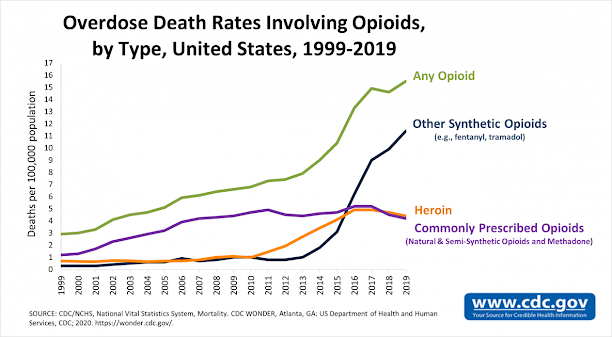
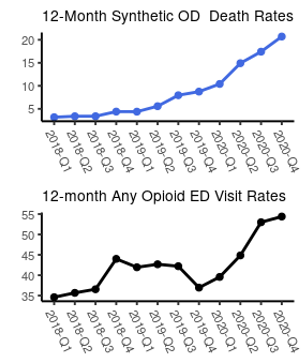
  • Overdose deaths from opioids are off the charts and continue to increase in the US and in our own Sonoma County (see graphs below, including local data)
  • If you only have 5 minutes, watch this video about our current understanding of addiction and social isolation: "Everything you know about addiction is wrong". It challenges our traditional framework for addiction and substance use disorder.
  • Also consider reading this book: Chasing the Scream (by Johann Hari)
SoCo DPH opioid overdose rates (Death and ED visits)

Racism and the opioid epidemic
  • Despite similar rates of drug use, Black Americans (who make up 13% of the population) make up 27% of drug arrests (2018)
  • Disparities in incarceration have affected generations of communities of color
  • African American and Hispanic Americans are 7.5 and 2.3 times more likely to have an incarcerated parent (than white children)
    • having an incarcerated parent puts children at increased risk for future substance use
Adverse Childhood Events (ACES)
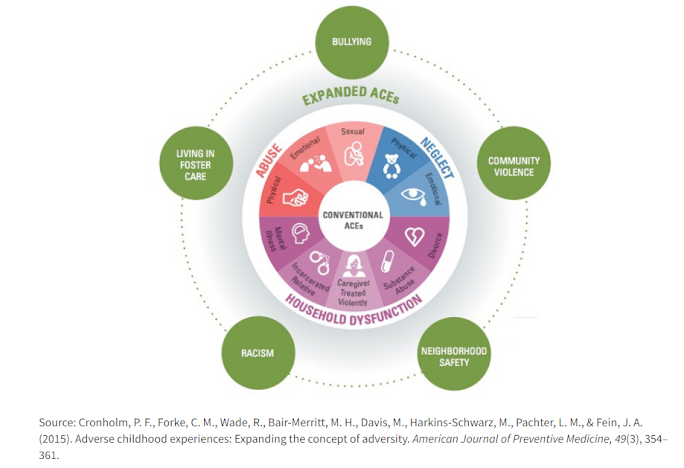
We know that ACES (childhood abuse, neglect and household dysfunction)are associated with risk for substance use disorder. I.e. the more ACES you have, the higher risk you have to have issues with substances, including IVDU.

Trauma Informed Care
  • It is our job to care for patients with a hx of trauma by influencing healthy coping mechanisms and helping patients build resiliency
  • The Substance Abuse and Mental Health Service Administration (SAMSHA) decribes 6 principles of a trauma-informed approach. These are SO important to consider in how to engage with all patients, but particularly those with high ACE scores
    1. Safety
    2. Trustworthiness and transparency
    3. Peer support
    4. Collaboration and mutuality
    5. Empowerment, voice and control
    6. Cultural, historical and gender issues
  • Again, providers should consider how to help patients focus on RESILIENCE and COPING
  • Examples of how to do this include
    • Openly discussing harm reduction methods (prevent dying and suffering)
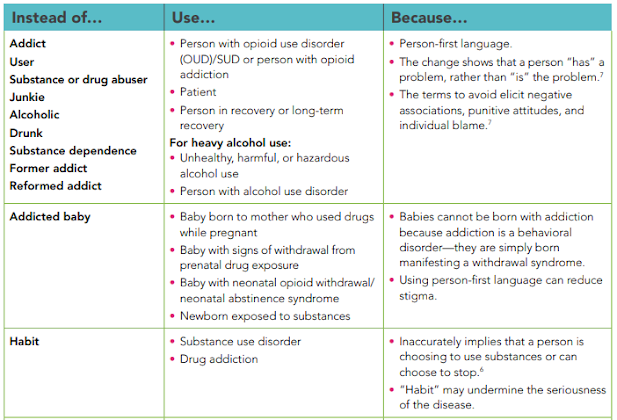
    • Person first language, welcoming, non-discriminatory, non stigmatizing language
      • i.e. person with substance use disorder, person in recovery
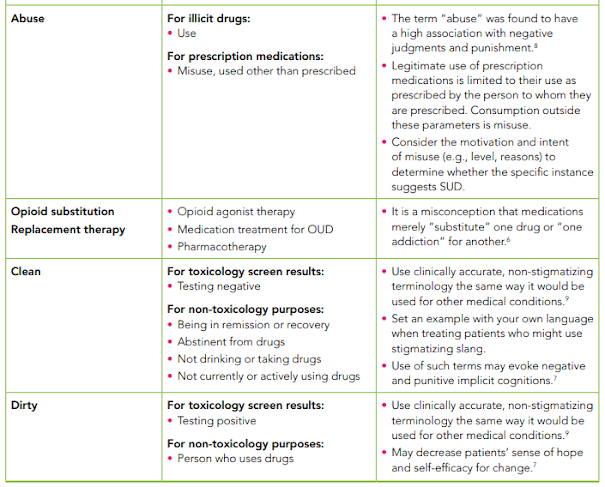
      • i.e. avoid "clean" and "dirty" when talking about drug screen results
    • Put up signage offering treatment for opioid use disorder in hospitals and clinics
Words Matter! Check out these tables to make sure that you are using language that is non-stigmatizing.

https://www.drugabuse.gov/sites/default/files/nidamed_wordsmatter3_508.pdf 


Treatment of acute pain and management of withdrawal 
  • If a patient is on BUP, don't STOP it when treating acute pain
    • patients can safely get acute pain meds on top of their BUP
    • you will only precipitate withdrawal at initiation of BUP
    • split dosing to BID for pain management in the acute setting
    • provide sense of calm and comfort (help patient feel safe and connected)
  • Also, schedule tylenol and/or ibuprofen (or toradol) in setting of acute pain
  • consider gabapentinoids, SSRI, TCA, regional block
  • can increase up to 32 mg/day for acute pain
    • add opioids with higher Mu affinity: morphine, hydromorphone, fentanyl
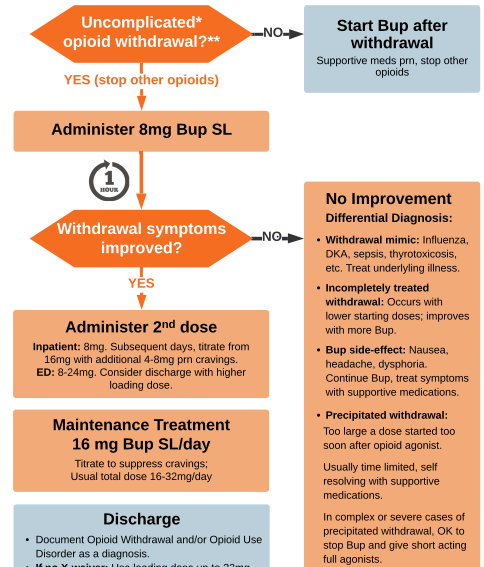
Buprenorphine (BUP) inductions in the hospital (simplified from CA Bridge: https://cabridge.org/tools/resources).
  • Very simple! For uncomplicated withdrawal (COWS>8), start with 8mg BUP SL, recheck in 1 hour, give second dose of 8mg
  • Subsequent days, titrate from 16mg with additional 4-8mg prn cravings
  • Labs to consider (but don't need results to start): UDOA, CBC, HIV, HCV, RPR, HCG, HAV and HBV immunity
  • Adjunctive medications: acetaminophen (pain, headache), clonidine (w/d symptoms), diphenhydramine (anxiety), loperamide (diarrhea), ondansetron (n/v), trazodone, melatonin (sleep)


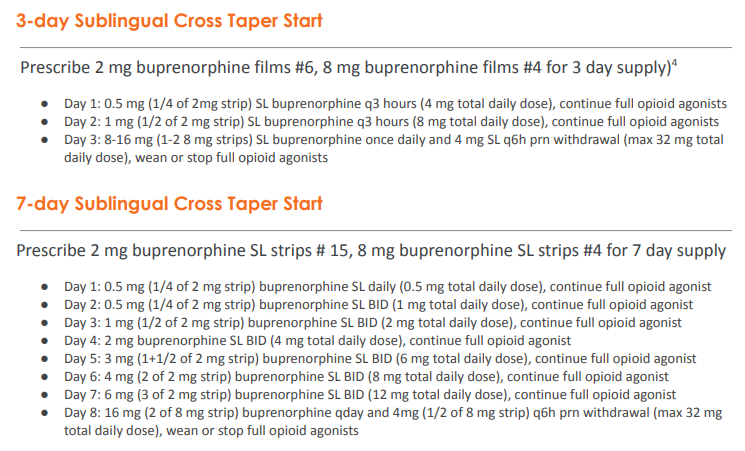
Microdose inductions of BUP
  • Very slow start of BUP to decrease or even eliminate withdrawal symptoms 
  • Consider: if patient taking methadone, history difficulty BUP start, transitioning from prescription opioids, intentionally taking fentanyl daily
  • Avoid: if already significant withdrawal (it's too slow), don't want to continue full opiate agonist, risk for respiratory depression/sedation, prefer rapid start
Harm reduction refers to a set of policies, programs and practices that aim to reduce health, social and economic consequences of drug and alcohol use. 
  • Reduce stigma by being a safe place, regardless of ongoing substance use
  • Offer clean needles (available at Face to Face, DAAC, but also on PHP formulary (see image below)
  • Always give Narcan Rx
  • Give Fentanyl test strips (available at Face to Face)
  • Resource support
  • If patient leaving AMA, give direct phone # to outpatient MAT care:
    • Marla Pfohl MAT program manager SRCH 707-890-0375
    • Erick Hill, Matt Clinic supervisor SRCH 707-867-8690
    • Never Use Alone phone # 800-484-3731
  • Connect to outpatient MAT, give bridge Rx to outpatient MAT (x-license no longer required)


Gender Affirming Healthcare: Beyond Pronouns and Hormones (Kohli, 11/10/2021)

 Many thanks to local expert, Dr. Arunima Kohli, for her excellent Grand Rounds this week on Gender Affirming Care: Beyond Pronouns and Hormones. 

A recording of her presentation can be found HERE.

My notes:

Transgender Awareness Week, observed November 13th to November 19th, is a one-week celebration leading up to the Transgender Day of Remembrance (TDoR), which memorializes victims of transphobic violence. In Santa Rosa, TDoR will be honored during an event at Brew Coffee House Saturday 11/20/21 5pm. More information click HERE.  All are welcome.

Of note, in talking about gender affirming care it is important to acknowledge who we are and what our biases are.

No lecture on gender affirming care is complete without going over terminology and definitely not a presentation without the Gender Unicorn. Take a look at the unicorn and try to identify where you would place yourself. 

  • gender is a construct AND a spectrum
  • gender identity is different than gender expression, physical and emotional attraction are also separate (sexual orientation)

In addition to the gender unicorn, Dr. Kohli likes to think of gender as a multi-dimensional ball-- everybody is kind of fluid-- we are all constantly figuring out our identity, especially when we are younger. This is not isolated to people who identify as trans.  

Language keeps evolving in this field. Very quickly.
  • gender diversity and gender expansiveness: umbrella terms that capture the full spectrum (including gender binary people)
  • transgender: person whose gender does not correspond to sex assigned at birth based on traditional expectations
  • cisgender: person whose gender does correspond to sex assigned at birth
  • non-binary (enby): person whose gender does not fit into typical binary norms, based on traditional expectations
  • intersex: people with unique variations in reproductive/sexual anatomy, may or may not need to talk about hormones, pronouns, etc
Terms to avoid: transgendered, transgenderism, trans-sexual, biologically/genetically/born as, gender reconstruction surgery. Instead use assignationdesignation, and socialization

What is gender affirming care? "Health care that holistically attends to transgenders people physical, mental and social needs and well being while respectfully affirming their gender identity."
  • social: pronouns, clothing, gender expression, community support
  • legal: name change, sex designation, gender marker or legal documents
  • medical: gender affirming HRT, surgery, laser tx, voice therapy, pelvic floor therapy
  • mental: medication management, mental health service
Professional Guidelines for gender affirming care

Health disparities in the gender expansive population are marked
  • 1/2 of trans people had to teach their healthcare provider about trans care
  • 20% of people don't access health care for fear of mistreatment
  • 62% (or more) of gender expansive people suffer depression
  • High rates smoking and alcohol
  • Higher rates of HIV infection, particularly in black trans women population
Data specific to teens (CDC data)
  • Nearly 2% of high schoolers identify as transgender (number increasing)
  • 27% of trans-identified high schoolers feel unsafe at school
  • 35% of trans-identified high schoolers report being bullied at school
  • 35% of trans teenagers attempt suicide
  • Higher rates of early sex, multiple partners, having sex without contraception or STD prevention
cdc mmwr 2017


It is INCREDIBLY effective to have supportive parents for trans kids. Check out this graphic to understand why! Markedly improved rates of depression, suicide attempts. . .
https://transstudent.org/graphics/youthsupport/


Gender affirming care is life saving care
  • Well documented improved mental health in adults and children with gender affirming care (including psychotherapy, gender affirming surgery, hormones, even proper use of pronouns)
    • decreased depression, anxiety, SI
  • Decreased rates of suicide attempts by 40% if there is ANY gender affirming person in a trans person's life
  • increased engagement with health care system
  • improved school performance, improved social skills
. . .But affirmation isn't everything. 

Discrimination
  • 65% of trans-people experience discrimination (DMV, nursing homes, gym/health club)
  • 59% of trans people avoid using public restroom because of fear of discrimination, 1/3 limit food and drink so they can avoid bathrooms
  • 3x higher unemployment rate, worse in BIPOC
  • 2/3 of states coverage cover gender affirming hormone therapy
  • Few states have Medicaid protections for transgender people
  • Being undocumented is additional risk factor; high rates of anti-trans violence in Latin America, have 
  • Higher rates of incarceration, higher rates of assaults in prisons, many denied medically necessary gender affirming healthcare while incarcerated
Safety is a real issue
  • Sexual assault, sexual violence
  • 2021 
https://transrespect.org/en/tmm-update-tdor-2021/

What do we do as health care providers?
  • Advocate for change in health systems
    • EMR
    • Ask EVERY one who comes into your system SOGI (sexual orientation, gender identity), not just those who you assume are different
    • organ inventories (so you don't assume gender tells you screening needs)
    • formulary
    • education and trainings for staff
    • hiring people who are transgender
  • Do the work before you signal you are safe!
  • Learn the language and vocabulary
  • Learn insurance rules: sometimes insurance will initially decline but they are not allowed
  • Think beyond your own panel
    • specialists, other providers--> improve access 
  • In CA, all medically necessary care MUST be covered for transition (this includes everything in WPATH of what is medical necessity and what procedures, e.g. laser, body contouring)
  • Know your State and National Laws, Legal rights about restroom, Sports participation, etc
  • Know local referral providers (e.g. surgeons for gender affirming surgeries)
  • Advocacy with schools and workplaces
Additional resources


What Every Health Provider Needs to Know about Drowning (Hoffman, 11/3/2021)

 Thank you to Dr. Ben Hoffman who gave a profoundly moving talk on Drowning Prevention in Children. What an honor to host the national expert on accident prevention!

A recording of the excellent presentation is HERE

I consider this presentation a MUST for all of us that care for children. This is PRACTICE CHANGING.

Here are our notes:


Drowning is the leading cause of unintentional injuries in children 1-18 from data collected between 2009-2018-- that’s over 9,000 children. 

  • Imagine 9 school buses of children-- 72 kiddos in each bus-- that die every year from drowning.
  • Drowning is the single leading cause of death in children ages 1-4, and the 2nd leading cause in children 15-19.
  • We must remember the BIPOC community who suffer disproportionately from incidents of drowning.
    • we can trace this reality back to systemic racism and lack of access to pools, swimming lessons, etc.

 PREVENTION: the AAP has created both a toolkit https://www.aap.org/drowning and a policy (attached) to help providers educate family’s on drowning prevention. The toolkit has both general information and patient handouts and posters for your office.

https://www.aap.org/drowning

The bottom line: LAYERS OF PROTECTION to prevent drownings, and we should focus particularly on new parents of children <4, teens, BIPOC families, and children with disabilities and epilepsy.

                *infants: never leave unsupervised – even a second- in water.

                *toddlers: their curiosity is dangerous. Never leave a toddler unsupervised around any water. They can get into tubs, toilets, wading pools. Lock or empty these when not in use.

                *swimming lessons: no evidence that they protect infants, but there IS evidence that they work for children 1-4 yrs old and shows a significant reduction in drownings.

                *water competence: we should teach our families that learning to swim is a life skill. Many BIPOC parents were never taught to swim so consider the water dangerous.

                *erect barriers: particularly pools – 70% of pool drownings are when it’s not “swim time”. Pool fences that have 4 sides with a locking gate reduce drownings by 50%.

                *supervision: constant, close and capable supervision-at arm’s length if a child can’t swim competently. Don’t rely on lifeguards – children still drown in their presence.

*life jackets: only coast guard approved life jackets are appropriate (and a must when our families visit the Russian River or the Sonoma Coast). Never rely on anything inflatable. The coast guard approved life jackets are more expensive than the inflatables.

*advocacy: some cities have life jacket loaner programs. Dr Hoffman will be glad to speak to anyone who is interested in starting a program locally (for example Spring Lake loans them with boat rentals).


 A great big thank you for years of ethics support in the hospital AND for a great Grand Rounds on How to Mitigate Moral Distress among Providers by our very own Sutter Senior Bioethicist, Dr.Shilpa Shashidhara. 

A recording of her presentation is available HERE. Please watch it if you can!

And here are my notes:

What is moral distress? 

Moral Distress was first defined by Dr. Andrew Jameton (1984) as a natural response to violation of one's core values. In healthcare, it is a feeling of uncomfortableness that arise when providers are unable to do the thing they believe is the "right" thing to do. It is an inability to act within our individual and/or professional values. 

These are ethically challenging situations, where providers feel powerless. 

Moral Distress can lead to disengagement and burnout, can have negative impact on patient care. Prevalent in high stress environments (e.g. ICU: critically ill patients, family members in distress, etc). Has been magnified by the pandemic: challenging clinical situations, managing really ill patients, not having PPE, concerns about allocating resources in stressed healthcare system

  • "I don't know if this is the right thing to do"
  • "I feel stuck"
  • "Both options are equally bad"
  • "I feel like I am causing harm to someone"

If not addressed, moral distress takes toll on personal and professional well-being

3 areas that cause moral distress

  • clinical situations (e.g. non-beneficial treatments that family is requesting, sense false hope with discordant prognosis by different providers, unrepresented patients that cannot make decisions for self and we don't know their values and acceptable quality of life)
  • internal constraints (e.g. fear of speaking up, self doubt, anxiety, wish to not cause conflict, lack of confidence, feeling "stuck" in the middle)
  • external constraints (e.g. power imbalance: RN vs. MD, resident vs. attending; fear of legal action,  poor communication)


Moral distress is a root cause of burnout. 

  • 42% physicians experience burnout (long hours, overwhelming workload, lack of support)
  • 54% of nurses experience moderate burnout with emotional exhaustion,28% high burnout
  • significant role of burnout in organizational turnover
How do we mitigate moral distress to best support providers to reduce burnout?
Identify the problem--> Express a concern

Use debriefing sessions, specifically interdisciplinary debriefing sessions
  • mitigate negative effects
  • normalize and validate experience of negative emotions
  • supports providers
  • uncovers gaps
  • promotes team cohesion
  • opportunity to explore systemic problems
Debriefing sessions: goal is NOT just venting session, but also action planning. Both together are more effective
Part 1: Preparatory: identify needs of healthcare provider, gather relevant information, set goals, plan logistics
Part 2: Implemental: 8 step method

4 As to Rise Above Moral Distress (Developed by the American Academy of Critical Care Nurses)
Can be done as individual or ina group

What else can we do?
Targeted education training for providers, promoting provider ethical decision-making. What is appropriate in a complex situation?
Communication skills and practice
Don't forget to take concerns to hospital/clinic administration to be sure they understand what is happening and look at systems-based solutions


Diagnosis and Management of Osteoporosis (Hamann 7/23/2026)

 A recording of this presentation is available HERE .  *** Thanks so much to Dr. Kendal Hamann, SMGR Endocrinologist, for an outstanding Gra...