The Sports Preparticipation Exam (Lukacic, 3/23/2022)

Thanks to Dr. Allison Lukacic for her excellent presentation this week on the Preparticipation Exam (aka the other PPE).

A recording of her presentation is available HERE

Summary notes:

  • 30 million US adolescents participate in organized sports
  • there is a legal requirement in all 50 states to have some form of preparticipation exam for student athletes, 29 states use a standardized form
    • said form should be signed by parent if athlete is <18
  • goal is to maximize safe participation for young athletes, to identify medical conditions that put athletes at risk, identify those that require treatment/rehab prior to participation
  • PPE is potentially  the only interaction they have with a healthcare provider (50-90% of athletes do not have a PCP)
PPE. . .
  • should occur 6 weeks prior to sports season
  • most states require PPE annually 

A thorough history is the most important part of the PPE
-- history detects 88% of important medical conditions affecting sports participation, 66% of injuries

  • screening for cardiac conditions: have they ever passed out, do they have chest pain, chest pain w/exertion, SOB?
  • family history: anyone in family with sudden death during activity, cardiac disease <50, anyone with Marfan's syndrome?
  • history of prior injuries: treatment and f/u
  • burning sensation in extremities (suggesting cervical spine injuries)
  • history of concussion, timing, healing time
  • primary care: medications, substance use, supplements, energy drinks, getting in car w/drunk drivers
Physical Exam, key components
  • blood pressure>> caution if > 99percentile
    • BP >160/100 is cutoff, should be treated prior to participation
    • look for secondary causes (caffeine, supplements), work up as needed
    • elevated BP contraindication for static exertion (e.g. weightlifting)
  • Marfanoid body habitus?
  • vision screen (20/40 in at least one eye if want to do archery, rifles)
  • lung exam: asthma adequately treated? PFTs if exercise-induced asthma
  • cardiac: rate, rhythm, listening for murmurs (supine, standing/sitting w/Valsalva maneuver), PMI
    • grade 3 or greater?
    • increase with Valsalva maneuver?
    • diastolic?
  • abdomen: hepatic or splenic enlargement
  • genitalia: undescended/single testes (should wear cup), hernia (should be referred for repair), testicular mass
    • no genital exam in female
  •  musculoskeletal exam, including supplemental knee/shoulder/ankle exams if history of injury
    • range of motion in all joints, pain through motions, symmetry
    • duck walk quickly assesses all lower extremity joints
  • skin: molluscum, scabies, ringworm, HSV, impetigo
EKG, labs, urine drug tests are NOT recommended in standard PPE

Preparticipation Assessment (reminder goal is to get as many kids actively engaged in sports as possible)
  1. unrestricted clearance
  2. clearance w/notification to coach/trainer (e.g. brace, inhaler)
  3. clearance deferred for further evaluation (e.g. echo w/murmur)
  4. disqualification (very rare)
Sudden Death
rare, 0.75 per 100K athletes (<35 cases per year in the US)
hypertrophic cardiomyopathy (HCM) is the most common cause of sudden death (36%)


HCM affects approximately 1/500 individuals 
sarcomere mutation in the heart muscle, autosomal dominant
clinical diagnosis: EKG>> echo>> cardiac MRI
exam findings: systolic murmur in left 2nd intercostal space, lateral displacement of apical pulse (PMI), murmur increases in intensity when lying to standing/sitting, w/Valsalva (due to increased venous return)
EKG: LVH, LV strain, deep q waves lateral/inferior leaves, T wave inversion, sometimes WPW (Current US recommendations there is not enough evidence for EKG for all athletes and risk>>benefit, though Italy does do EKG for all PPE because they have evidence it decreased HCM)

2016 California passed Eric Paredes Sudden Cardiac Prevention Act, which requires discussion of sudden cardiac death during the PPE, also specific coach/trainer responsibilities


Exam findings in Marfan's

Female and Male Athlete Triad
in females: menstrual cycles, eating patterns, stress fractures (osteoporosis prevention)
male athlete triad (recently coined), but similar disordered eating, energy deficiency and reproductive dysfunction
athletes with these triad should not be cleared for participation until these issues are addressed


Concussions: important to document duration, frequency and recovery time
  • in CA, athletes cannot return to play in less than 7 days from time of concussion (many athletes need a month to recover)
  • Major goal to prevent second impact syndrome, chronic traumatic encephalopathy (football, 17+ injuries)
  • balance error scoring and neuropsychological testing: all symptoms must resolve prior to return to play
Other medical conditions:
Asthma is a common diagnosis that may need to better controlled prior to clearance
Hemophilia or Von Willebrand's disease: no contact or collision
Sickle cell disease: no high exertion, contact, or collision sports
Sickle cell trait: cleared for ALL sports participation (though there have been deaths of NFL with just trait)
Epilepsy: any sport except w/ risk for fatal seizure (e.g. sky diving)

MSK injuries are the most common injury to have an athlete be restricted
Criteria for clearance: NO joint effusion, no decreased ROM, 80-90% of full strength

Resources:

  • National Association of State High School Associations (NFHS)
  • Standardized PPE form
  • Pediatric Blood Pressure App


Wound Care (Cardenas, Cortez, Daly, 3/16/2022)

Many thanks to wound care nurse Wendy Cardenas, general surgeon Allen Cortez, and wound vac rep Kevin Daly for an informative talk this week on Wounds and Wound Care. I learned so much!

For a recording of their presentation click HERE (starting 11 minutes into the recording)

My notes:

  • There are all kinds of wounds: surgical/traumatic, pressure, vascular, diabetic, infectious
  • 1.3-3 million Americans are treated for pressure wounds each year
  • 60,000 deaths per year are attributed to pressure wounds
  • $9.1-11.6 billion dollars spent in the US on pressure wound are alone
  • You only need 33 mmHg of pressure to create a pressure wound--> equivalent to a "gentle handshake"
Physician role in wound management

  • decrease pressure
  • decrease friction/shear forces
  • manage incontinence (urinary, fecal>> indwelling/suprapubic catheters, ostomy)
  • nutrition! nutrition! nutrition! (protein-calorie, blood sugar control, obesity)
  • pain management
  • managing comorbidities (DM, tobacco, drug addiction, venous stasis, etc)
  • education (patient, caregiver, nursing staff, family)>> "you can tell people what to do, but if you give them the reason why, there is much more acceptance and compliance"

Initial management of wounds

  • Identify and treat the cause
  • Clean the wound--> tap water is just as good as sterile saline or any other wash (okay to shower day after surgery, no baths). Pulse evacuation (in OR) with fluid and pressure has been shown to improve outcomes. A simple syringe can also help w/debridement
  • Keep wounds MOIST to allow capillary ingrowth (not too wet/not too dry)
  • Debridement (wet to dry, enzymatic, surgical at bedside or in OR)
    • you want to see bleeding
  • Optimize nutrition (glucose control, protein)
  • Optimize comorbidities (stop smoking!)
  • Antibiotics if appropriate--> only if s/sx infection, "use common sense"
  • Adjuncts (e.g. iodine/betadine-- can cause tissue damage, which can disrupt healthy granulation tissue. No evidence that adjuncts improve healing). 
Q: What is the perfect wound dressing?  A: Skin

Wound Vacs
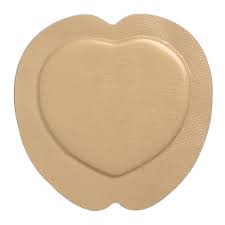
3M Rep, Kevin Daly, then took us through the history of wound vacs (in hospitals since 1995, outside the hospital since 2000) and the range of products that are available, including silver-impregnated foam, special non-adherent dressings (silicone-based) designed to lay between wound and the wound vac (to prevent foam from sticking to the wound), the evolution of the instill vac 

What does a wound vac do?
reduces edema around wound
heals wound 60% faster than standard dressing
stretches cells--> leads to degranulation tissue

Contraindications to using a wound vac
No active cancer in the wound
Dead/necrotic tissue in the wound
Untreated osteomyelitis (if osteo is being treated, it is fine)

Who qualifies for a wound vac at home?
if wound vac was started in the hospital, generally patients can go home with the vac, but a wound vac isn't always the best thing for a patient
wound vacs weigh 8-11 pounds, too heavy for some
need to have home health care (dressing change 3x/week, 1x/week has to be licensed person who measures the wound to demonstrate healing)
must be able to keep wound vac on 22 hours/day 
  • Of note, patients should be off their wound vac no more than 2 hours/day
  • When vac dressings are used in skin grafts, you must use non-adherent dressing between the graft and the foam
  • Vac instill: instills fluid (e.g. normal saline) into the wound. Protocol: dwell time 10 minutes, 2 hour suction. Vac instill leads to 40% more granulation tissue than regular wound vac. Only available in acute care (hospital, some LTAC/some SNF
  • Prevena vac is used along closed clean incisions, helps approximate the wound. Not for everyone, only place in patients who are high risk for dehiscence (morbid obese, redo). Put on in the OR. Entire product is disposable. When stops holding suction, battery makes noise, it shoudl all get thrown away. No wound care needed, no home health required.
  • Prevena vac
Our Wound Care Queen, Wendy Cardenas, finished off the presentation with these gems

Four stages of wound healing: hemostasis (immediate)>> inflammatory stage (6 days, WBCs/macrophages debride bioburden) >>proliferation (up to 3 weeks, this is where wounds get stuck, go from acute to chronic)>>maturation (can last up to a year, skin is never going to be exactly the same, always a place that can reopen, tensile strength permanently compromised)

How to approach a wound ala Wendy Cardenas

1) Figure out what happened
    chart review, look for all old notes pertaining to wound
    ask the patient, "How did this happen?"
    check for pressure points
2) Check for infection: is the surrounding tissue hot, red, indurated, painful?
    wound bed funky, milky, shiny, smell bad, creamy or copious fluid
3) Foot wounds: pressure, diabetic, venous vs. arterial ulcers
    venous: medial/lateral/posterior: irregularly shaped, shallow, yellow slough, not painful>> compress!
    arterial: medial/lateral: round, deep, pale bed, don't bleed easily, not much pulse>> no pressure!
4) Wound products you might use in the hospital
    foam dressings: prophylactic on sacrum or coccyx, heel + offloading boot
    plura-gel: adds hydration, cleans up wound
    silver-impregnated hydro-gel
    honey: better for superficial wounds
    zinc: moisture associated breakdown, good for venous stasis legs (use w/compression)


Additional pearls:
  • do NOT ever do superficial cultures on wounds; superficial cultures will only reveal polymicrobial organisms and skin flora
    • quantitative tissue cultures are gold standard
  • silver is bacteriostatic 
  • primary closure (clean wound), delayed primary closure (w/steristrips a day or two after), closure w/secondary intention
  • skin graft wound vacs STINK when you first remove (5 days after a skin graft)
  • if you have an abscess make a BIG BIG hole, making a tiny incision and packing will cause more pain. Big wounds are better


Management of GHB/GBL Drug Overdose and Withdrawal Syndrome (Steinberg 3/2022)

Thanks so much to Dr. Gabrielle Steinberg for her excellent presentation on Atypical Addictions: GHB/GBL Drug Overdose and Withdrawal

A recording of Dr. Steinberg's excellent presentation is available HERE

We know that addiction is a huge problem worldwide

  • Globally, 33.6 million people suffer from substance use disorder (2019)
  • In the US between 1999-2020, 841,000 people died  from drug-related overdose
  • Synthetic opioids are main driver for SUD related deaths (esp. fentanyl right now)
  • In 2011, Drug Abuse Warning Network (DAWN 2011) reported 2.5 million drug use/misuse related ER visits, more than half from multiple drugs: alcohol, cocaine, marijuana, opioids, methamphetamines
  • Atypical/uncommon drugs comprise about 5% of ER visits
    • GHB/GBL was associated with 2, 406 ER visits in 2011 (US)
    • Other "atypical substances": inhalants/solvents, bath salts, Khat, K2/spice, Kratom, U47770, Rohypnol, DMT, MPTP
GHB=gamma hydroxybutyrate
GBL= gamma butyrolactone 

GBL is a precursor to >> GHB is a precursor to>> GABA
GHB is a CNS depressant, also has effect on mesolimbic pathway (rapid reward, abuse potential)

Initially developed in  France as general anesthetic (not in US), can be prescribed in salt form (prescription rx approved to tx narcolepsy, cataplexy). In 1980s, marketed as supplement for body builders, removed from the market due to fatal intoxications/overdose

GHB= schedule 1 (no current recognized medical use, high potential for abuse)
When used illicitly, GHB is used for calming, euphoric effects, aphrodisiac (increases libido).
Considered similar to MDMA/alcohol. 
Also "date rape drug" because of effects on memory and consciousness
  • colorless odorless liquid, or white powder that can be dissolved
  • mostly ingested orally as liquid, sometimes pill form
  • onset: high 15-30 minutes, duration 3-6 hours, doses vary
  • tolerance and dependence does build quickly
  • death has been associated with overdose, withdrawal and intoxication 
Demographic & use patterns: majority male, majority white, late 20s/30s (same in ED overdose data, though increasing rates GHB overdoses in women), commonly co-ingested with alcohol

GBL now becoming more common than GHB, cheaper, easier to access: found in solvents, greater potency, faster onset

GHB/GBL intoxication
CNS depression, agitation, seizures
Hypothermia, bradypnea, bradycardia (hypotension less common), urinary and fecal incontinence
death from intoxication/overdose can be caused respiratory depression and/or respiratory arrest, aspiration (due to risk for vomiting)
Common to see alternating ABRUPT onset somnolence and agitation
Toxicity can come on and resolve abruptly, effects last 2-5 hours
Hospital stays can be often short because of short half life (managed out of ER and then discharged)
Most of the time GHB/GBL used with other drugs (ETOH, methamphetamines)
Not detected on typical urine drug screen, do have a send out confirmation test (urine test takes 9-10 days to result)
Key to management GHB intoxication: supportive care, airway support (intubation to protect airway when sedated), use of sedation due to abrupt alertness that can occur (midazolam, propofol), best effects with benzos (lorazepam or diazepam) or Haldol
There is no antidote, no effect from naloxone or flumazenil

GHB/GBL withdrawal
Happens quickly, as early as 6 hours after last dose
Mild/mod: anxiety, tremor, diaphoresis, tachycardia
Severe: agitated delirium, seizures, hypothermia, rhabdomyolysis
Preferred treatment: benzodiazepine (PO valium for longer duration), baclofen TID has been studied (shown to reduce withdrawal, reduce cravings, GABA b receptor agonist, small studies)
For severe withdrawal: intubation, IV valium benzo of choice. Can get benzo resistance (acts more on GABA-A receptors). Add on Propofol, Precedex.
Vitamins: magnesium, folate (some Wernicke's like syndrome)
Fluid resuscitation: vomiting, diaphoresis
No validated withdrawal scale, most literature uses CIWA scores

Netherlands study (450 patients): giving GHB taper in the hospital, taper down and off, relatively effective
Belgium tried similar protocol with benzos (less effective)

Outpatient management of GHB/GBL
GHB/GBL use is associated with high risk of abuse, rapid onset of euphoric and calming effects
outpatient labs: GHB urine drug screen is available via Quest labs/ECW (send out, takes some time)
GHB/GBL addiction hard to treat outpatient
Study from Netherlands (596 pts): high rates of relapse with GHB use, withdrawal severity, ER visits, duration of time in treatment programs
Baclofen has been found to be helpful w/detox, but also in maintaining abstinence, no RCTs; one non-RCT found baclofen 45-60mg/day  (10-20mg TID, titrate by patient) PLUS CBT more effective in reducing craving, anxiety, and relapse (than CBT alone). Baclofen decreases need for benzos
Key to outpatient management is wrap around support with interdisciplinary team: more success with patients with lower daily dose. 
Outpatient Rx should include: baclofen PLUS valium/diazepam (symptom guided) PLUS close follow-up PLUS simultaneous behavioral therapy

For help/assistance with these atypical drugs, consider reaching out to the UCSF Substance Use Disorder Warmline https://nccc.ucsf.edu/clinical-resources/substance-use-resources/
855-300-3595.


Big thank you to new-to-town-plastic surgeon, Dr. Melissa Mueller, for an excellent Grand Rounds presentation this week on Breast Reconstruction. I learned so much from her, and I look forward to working with her in our Sonoma County community. 

A recording of Dr. Mueller's excellent presentation is available HERE. If you care for women in Sonoma County, you should definitely watch this.

Here are my notes:

  • 1 in 8 women will develop breast cancer in their lifetime
    • 80% of women w/breast cancer have breast conserving therapy (i.e. lumpectomy)
    • of 20% of patients who undergo mastectomies, 40% get breast reconstruction, the majority implant based
    • in SoCo, less than the national average of patients get reconstruction, likely due to lack of access to modern breast reconstruction in the area
  • Breast reconstruction after cancer treatment is associated with improved self-image, decreased depression and anxiety, better body image, improved self esteem,  and overall improved emotional, social and sexual functioning
    • Some studies showing highest satisfaction with autologous reconstruction
  • The 1998 Women's Rights and Cancer Rights Act guaranteed reconstruction for women getting mastectomy (national)
  • California state law goes further and requires that ALL insurers (including Medi-Cal) must cover reconstructive surgeries (initial and subsequent) after breast cancer treatment, initial and subsequent implants (if patient needs an exchange)
    • includes mastectomy AND lumpectomy
    • includes contralateral breast symmetry procedures
  • Breast reconstruction may be a "silver lining" to getting cancer

Type of breast reconstruction after breast cancer depends on type of surgery.

After Lumpectomy (i.e. Breast Conserving Therapy or Partial Mastectomy)

All women in CA are eligible for oncoplastic reconstruction as well as contralateral breast symmetry

To be eligible for a lumpectomy (vs. mastectomy), the size of breast cancer must be small in relation to the size of breast. After the lump is removed, there will be a hole in the breast, which needs to be filled. This can be done in two different ways:

  • volume displacement: uses surrounding breast tissue to fill that hole--> that breast will be smaller and may require tissue rearrangement, reduction, lift/mastopexy
  • volume replacement: brings adjacent tissue outside the breast to restore the original breast size (e.g. back, side wall/bra fat, implants)
  • the contralateral breast will need to undergo symmetry procedure either immediately or delayed fashion 
    • this can happen at same time and/or after radiation
    • radiation causes collateral damage and decreased breast volume by 10-15%, tightening of the skin, nipple uplift
    • if reconstruction is happening before radiation, the breast that will be irradiated will be left slightly larger to allow for radiation changes
After Mastectomy, there are two categories of reconstruction
  • implant based: most commonly performed with tissue expander placed at time of mastectomy. Expander is inflated q1-2 weeks until desired size is achieved, then is replaced with implant (saline, silicone)
  • autologous: using patient's own tissue, make a breast mound with patient's own tissue, from abdomen/thigh/buttock/back (abdomen most common)


Reconstruction Timing 
post-mastectomy reconstruction also can happen immediately (at time of mastectomy) vs. delayed
    overall anesthesia time is less if doing delayed (in two parts)
    if done delayed, another advantage is that final pathology is received (margins) to know if radiation will be required

of note, breast skin cannot be expanded after radiation treatment, so if a patient wants an implant-based reconstruction, they need to have fully inflated before radiation tx
in advanced cancer, pts should focus on adjuvent therapy prior to reconstruction
but for patients who have the choice, more immediate reconstruction is associated with better outcomes

Implant-based reconstruction
under vs. over pectoralis mm
historically, implant has been placed under the muscle because the tissue makes implant less visible
however, recently prepectoral breast reconstruction is gaining in popularity-- less pain, no animation deformity (doesn't move when pectoralis moves)
fat grafting (i.e. liposuction) can help make the implant less visible in both cases

for some women, surgeons can place implant at time of mastectomy--> fewer total surgeries
    -have to have small breasts (A/B cup), want to stay same size, pts with nipple in correct place
    -mastectomy is stressor to breast skin, so heavy implants can create a second stressor to the skin which can compromise blood flow to the skin

Autologous reconstruction: 
create a breast mound using patient's own tissue (so you don't need an implant)
most common and most popular donor site is abdomen (deep inferior epigastric perforator flap)-- surgery similar to tummy tuck, kept alive by suturing to internal artery and vein in the chest
Fat grafting (ie liposuction--> injected with syringes after implant or autologous ( to disguise)


Counseling women for cosmetic results they may expect w/mastectomy
  • chest wall can be concave after surgery
  • lateral chest adiposity is not removed
  • dog ears (standing cone deformity)
BIA-ALCL
A word on very rare condition/complication from breast implants called Breast Implant Associated Anaplastic Large Cell Lymphoma
associated between textured devices-- both textured tissue expanders and implants (these are no longer used)
Incidence of association: 1/30K implants placed--> 949 total cases worldwide
On average 8-10 years after implant (at least 1 year)
Sudden fluid collection (collecting within a matter of days) or a new mass associated with the capsule around the implant
There has been a recall on all textured implants
FDA doesn't currently recommend removing the devices because it is unknown if removing them decreases lymphoma risk, but if patients feel uncomfortable having the device in their body, insurance will cover their replacement or removal
Ultrasound vs. MRI to evaluate, aspirate 50cc of fluid should be sent for pathology and immunochemistry


Many thanks to dynamic duo podiatry team, Drs. Walter D'Costa and Kevin Grierson, for their collaborative care of patients and for their Grand Rounds presentation on Everything Foot this week.

A recording of their presentation is available HERE .

Dr. D'Costa started the presentation with the practice changing pearl of the day: 

***Remind our patients (at high risk for foot problems) to change their shoes 1-2 times per day to relieve pressure.***


This is such a great pearl-- definitely not part of my regular prevention spiel, but an easy daily practice that can help prevent chronic friction issues with the same pair of shoes.

A review of the three common categories of foot ulcers: neuropathic, vascular, and ischemic.

1) Neuropathic ulcers result from insensitivity (i.e. neuropathy), inability to perceive pain, which leads patients to walk on bony prominences, and then to get skin breakdown, which can become chronic. Neuropathic ulcers present with some key features:

  • hypertrophic rim of callous
  • fibrotic wound bed
  • painless
  • not very much necrosis (compared to vascular ulcers)

  • The heel is a common site of pressure (in patients with heel ulcers, don't forget to screen for restless leg syndrome, which can lead patients to rub heels and lead to neuropathic ulcers)
Prevention:
  • diabetic foot exams
  • patient doing daily foot check
  • changing shoes frequently
Treatment:
  • OFFLOADING is key (inserts, change in shoe, etc)
  • Aggressive debridement by podiatry, wound vac as needed
  • Good diabetes control
  • Sometimes excision of the bony prominence
2) Venous Stasis Ulcers result from incompetent valves and mast cell inflammation, leading to skin breakdown, they often occur at medial/lateral malleoli
  • brown discoloration (stasis), chronic edema (often decades)
  • dry skin--> scratch--> opening/fissures--> infection--> infected ulcers (pearl: Make sure patients with venous stasis hydrate their skin daily with lotion/cream, even baby oil)
  • usually these do not have hyperkeratotic margins
  • these often weep (and weep and weep)


Prevention:
  • Control EDEMA via compression stockings, diuretics, elevation, venous pump/sequential pump (these pumps are DME covered by most insurances, particularly if patient has chronic stasis and/or hx of an ulcer)
  • lotions to keep skin moist
Treatment:
  • Sharp debridement by podiatry
  • Enzymatic dressings, wet-to-dry dressing, calcium alginate (absorptive of weeping), hydrocolloid, silver-impregnated gauze
  • Antibiotics if infected
  • Biopsy the ulcer (if don't improve with good treatment)
  • Grafting
3) Ischemic Ulcers are almost always very PAINFUL (unlike neuropathic and venous stasis), dark necrotic tissue


Treatment
  • NEED revascularization
Additional foot ulcer pearls:
  • For heel decubitus ulcers, always get x-ray to rule out osteomyelitis because these are by definition unstageable 
  • If you see a red hot foot in a diabetic, don't forget charcot arthropathy: red/hot/swollen foot, "rocker bottom" must be treated with immobilization, can appear like acute infection (elevated WBC, ESR, but these don't improve with abx)
  • Edema Wear has a number of excellent products, including open toe stockinettes, for compression products that may be more useful to patients who have trouble using compression stockings.
  • Also consider less rather than more compression if the patient is not going to wear compression stockings at all. Some is better than none. 
For part 2 of the presentation, Dr. Grierson covered several key toenail diagnoses including ingrown toenails, pigmented toenail lesions, onychomycosis, and subungual hematomas

1) Ingrown toenails are super common-- 20% of primary care foot complaints. Usually occur in younger patients, a result of trauma, improper cutting, tight shoes, and hypertrophic nail folds

Lifestyle advice: avoid tight shoes, warm water soaks for early symptoms 
For mild ingrown nails: oral antibiotics, gutter splints

Surgical treatment includes: partial vs total nail avulsion with or without chemical matrixectomy. Of note, partial nail avulsion has a 39% recurrence rate and total nail avulsion has a 83% recurrence. HOWEVER, Practice changing pearl:

*** Chemical matrixectomy with toenail avulsion (e.g. 88% phenol) has a 3% recurrence rate. You definitely should be doing a matrixectomy if you are removing a toenail***

Many patients complain about their toenail removals: they were so painful, miserable, inadequate anesthesia. A word on nerve blocks: the most important nerves to numb up the toe are on the plantar surface. For good anesthesia, Dr. Grierson recommends a ring block with ~3ml of lidocaine (1 or 2% w/o epinephrine). This should be injected into the SUBCUTANEOUS space and if you're in the right space, there should be very little resistance, i.e it should go in easily, causing the patient little distress.

2) Pigmented lesions in nails (longitudinal melanonychia) are common and have a long ddx: this includes ethnic variation, pregnancy, drugs, chronic local trauma, endocrine abnormalities, and the big bad wolf: melanoma

Ethnic melanonychia is very common in people of color of all ages, but increasing incidence with age. In fact, studies show a 20% incidence in people of Japanese descent and up to 100% incidence in African Americans over age 50.

Warning signs for melanoma of the toenail:
  • single nail (usually the large toe)
  • >3mm width of pigmented band
  • more irregular border
  • recent changes (e.g. increase in size, rapid growth)
  • family history of melanoma
  • Hutchinson's sign: pigment in the nail extends to the nail fold
  • benign ethnic melanonychia

    subungual melanoma
If in doubt, refer for biopsy (btw pigmented lesion biopsy needs to come from the nail matrix)

3) Onychomycosis is a common dermatophyte infection of the toenail, affecting 10% of the general population, 20% of people >60 and 50% of people >70. It causes discoloration, thickening of the toenail and can lead to other chronic foot problems

Treatment:
  • Debridement (symptomatic relief)
  • Topical medications: tavaborole 5%, ciclopirox 8% lacquer don't have high efficacy rates but can work for some patients
  • Oral medication: terbinafine (Lamisil), itraconazole
    • mycologic cure rate for terbinafine is 70%, itraconazole 54%
    • complete cure 38% for terbinafine, 14% for itraconazole
    • elevation in AST/ALT is VERY rare with terbinafine, <1% and generally self resolve, serious life transaminitis is even more rare 1/500K-1/120K
  • Alternative therapies for onychomycosis include apple cider vinegar, tea tree oil.There aren't great studies, but apple cider vinegar does contain maleic acid, which has fungicidal properties, and tea tree oil may have synergistic effect with topical antifungals
4) Subungual hematomas occur as a result of trauma. 
  • Fracture is common (10-25% of people w/associated phalanx fracture). For this reason, these toes should get x-rayed. 
  • For symptom relief, trephination (cool word, definition: to open with a hole saw (i.e. trephine)) with a simple 18 g needle is safe and effective (spin, painless, no anesthesia required). You may need to make more than one hole. Go for it!


Evaluation and Treatment of Shoulder Pain (Pourtaheri, 2/16/2022)

Many thanks to Dr. Neema Pourtaheri of Santa Rosa Orthopedics for his presentation, Evaluation and Treatment of Shoulder Pain 

A recording of his presentation is available HERE.

Shoulder pain is a very frequent complaint in primary care, can be broken down into several common categories


1) Rotator cuff and Proximal Biceps Tears (partial vs. full thickness, acute/traumatic vs. chronic/degenerative)

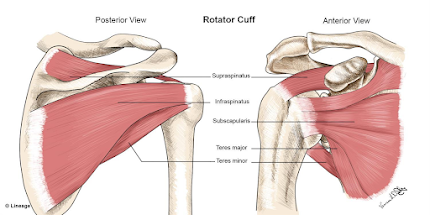
  • the rotator cuff is responsible for shoulder rotation, stabilization, and arm elevation
  • the rotator cuff holds the head of the humerus in the small shallow glenoid
  • rotator cuff muscles: supraspinatous, infraspinatous, teres minor, subscapularis
  • rotator cuff tear very common, 2 million people in US/year
  • important history in your diagnosis of rotator cuff injury: usually in dominant arm, age >40 years, pain worse at night, interferes with sleep, weakness with rotation and lifting, unable to do daily tasks (e.g. combing hair, putting on shirt)
  • Exam
  • acute traumatic usually occurs in setting of fall, trauma, significant amount of force (particularly in young patients)
  • chronic is degenerative, gradual onset, repetitive stress injury, occurs often in dominant arm, often as a result of bone spurs rubbing
    • >40% of people >65 have chronic rotator cuff tear
  • rotator cuff tears DO progress with time
    • full thickness tendon tears progress more rapidly
    • larger tears progress more quickly as well
  • Non-surgical management: activity modification, NSAID, cortisone?? (controversial, Dr. Pourtaheri doesn't recommend steroid injection for rotator cuff injury), PT helps with strength and pain, doesn't fix the tear, work on strengthening other tendons
  • All acute traumatic tears in people <60 should be fixed
  • "old tendons are not fixable" (no atrophy on MRI)
  • Shoulder arthroscopy: small incisions w/camera, nerve block for pain
  • Rotator cuff repair in correct candidates have 95% success rate (in terms of pain, function), improved shoulder strength and prevent tears from progressing
  • Post op course: 6 weeks in sling, 3 month limited lifting, PT

Many rotator cuff tears have an associated biceps tendon tear (should be repaired at the same time)

2) Impingement/Bursitis

  • inflammation of the bursa, usually due to overuse (overhead activity), sometimes trauma
  • pain exacerbated with activity, relieved with rest/NSAIDs, immobility
  • no-op treatment: activity modification, steroid injection, ice, ultrasound, PT
  • arthroscopic surgery for bursitis is generally arthroscopic bursectomy w/arthroplasty on the undersurface of the acromion 
  • rehab is faster than rotator cuff: sling x 2 weeks, PT within 2 weeks of surgery

3) Shoulder Labrum Tear

  • Labrum is fibro-cartilaginous ring that attaches to the glenoid, anchor point for gleno-humeral ligaments 
  • labrum is essential for shoulder stability in people <40
  • in people <40 tears are usually associated with trauma or dislocation event
  • in people >40, most labrum tears are physiologic and don't need treatment or surgery
  • PT is best non-operative management   
  • Sometimes surgery is indicated for people who are young and failed PT

4) Shoulder arthritis

  • >60 year old patient arthritis is a common cause of shoulder pain
    • articular cartilage thins out with time, exposed bone
  • X-ray: collapsed joint space, large bone spurs, thickening of subchondral
  • Non operative management: NSAID, PT, steroid/cortisone injection (yes, indicated)
    • PT to stretch the shoulder joint capsule (see exercises below)
  • Operative tx: shoulder arthroscopy (to release joint capsule, usually in mild to mod arthritis)) and shoulder replacement
  • Shoulder replacement 90% pain relief indicated for moderate-severe arthritis of gleno-humerus
  • there have been significant advances in shoulder replacement techniques and technology over the last 10 years
    • same day (outpatient surgery)
    • 4-6 weeks immobilized in sling, PT within a week, full recovery 6 months-1 year
  • two types of shoulder replacement: anatomic (intact rotator cuff) vs. reverse shoulder replacement (non anatomic)-- shoulder arthritis w/large rotator cuff tears
    • in reverse, ball goes on socket side of shoulder, socket on ball side of shoulder

Final pearls:

  • History and physical exam are key for assessment and diagnosis of shoulder pain
  • X-rays are still always a good idea as an initial evaluation (arthritis, calcific tendonitis, acromial bone spurs, for large rotator cuff tears for decision-making for surgery)
  • MRI definitively diagnose rotator cuff tears
  • Role for ultrasound? In patients who cannot get MRI (e.g. pacemaker), can use for shoulder injections (ultrasound guided)
  • Absolute indications for MRI in shoulder pain
    • fall/acute injury with sudden onset weakness in the arm likely has an acute rotator cuff tear(to evaluate for rotator cuff tear, which should be repaired within a couple months of injury for best outcome, time sensitivite)
    • if concern for biceps tendon "Popeye" arm (full thickness tear of biceps tendon)


Abortion in the US in 2022: What is at Stake? (Wallace 2/2/2022)

Many thanks to Dr. Robin Wallace for a really poignant and timely Grand Rounds this week on Abortion in the US: What is at stake in 2022. As we await the Supreme Court decision regarding Dobbs vs. Jackson in Mississippi-- decision expected in June 2022-- it is tremendously important for the medical community to know what is at stake if Roe is overturned.

Dr. Wallace graduated from the Santa Rosa Family Medicine Residency in 2007 and completed the to UCSF Family Planning Fellowship after residency. She worked for 8 years at a family planning clinic in Dallas, Texas and now lives and works in North Carolina. 

A link to a recording of her presentation is available HERE

With increased access to effective contraception, abortions have decreased steadily since the early 1980s

  • However, abortions are still common-- in 2017 in the US, 862,320 abortions were performed 
    • Most abortions occur at less than 8 weeks, 89% occur in the first 12 weeks
    • 10% happen in 2nd and 3rd trimesters: this is a critical and important health care service 
The US unintended pregnancy rates has also been going down, dropping below the intended pregnancy rate (since the ACA went into effect and required coverage of contraception)

There is evolving literature on "pregnancy ambivalence". It is not easy to classify intentions. There are plenty of nuances that exist on a spectrum

Abortion restriction disproportionately impacts low income women of color


While overall abortion numbers of declined, the proportion of medication abortions (MAB) have increased, generally up through 11 weeks. 

In some settings well over 50% are MAB.

2018 Comprehensive Review of Abortion Safety and Quality

  • There was a clear and dramatic drop in abortion related deaths after Roe vs. Wade (1973) 
  • This 2018 Comprehensive Review of Abortion Safety and Quality concluded withat abortion is a safe procedure.
  • It also refuted any association between abortion and breast cancer, future infertility, and depression/mental illness.
  • Abortions have a mortality rate of 0.7/100K-- this compared to a shot of penicillin which has a mortality rate of 2/100K, and giving birth a mortality rate of 8.8/100K.
  • increased mortality as gestational age increases, as the physiology gets more complex 
  • 20% of abortion related deaths are among those for whom pregnancy threatens their life 
  • abortion mortality rate higher in black women (1.1/100K)
  • "Legal abortions in the US are safe, but the likelihood that women will receive the type of abortion services that best meet their needs varies considerably depending on where they live."

  • Legal restrictions impact abortion care

    Many states have created barriers to safe, effective, patient centered, timely, efficient, and equitable abortion services.

    • Targeted restrictions of abortion providers (TRAP laws): specifically target the practice of medicine related to abortion care
    • "undue burden" standard established (Casey, 1994)
    • Example of TRAP laws (in North Carolina) include: mandatory ultrasound, mandatory waiting periods, telemedicine ban on abortion care, "physician only" procedure (no midwives, nurse practitioners), Medicaid restriction on coverage, State health plan restriction

    Texas Senate Bill 8 (went into effect 9/2021)
    • Restricts abortion after 6 weeks 
    • Enforcement intentionally crafted to circumvent the usual pathways of enforcement (the state) through private civil actions
      • Anyone can file lawsuit against someone who has violated the law (including those performing abortions, as well as those who aid and abet those procedures)
      • This has created enormous fear in counselors, medical assistants, uber drivers
      • If a person who sues is found in court to be in the right, they are awarded &10K for each abortion in violation
    • In a study from Texas in 2018, even though 58% of people <6 weeks, only 16% were <6 weeks when they had their actual abortion appointment
    • Texas SB8 has faced many challenges (abortion providers, ACLU, etc)
      • in the past federal district court has consistently blocked these laws from going into effect, but the 5th circuit court of appeals
      • Supreme Court denied emergency request to block the law
      • DOJ filed separate lawsuit (US vs. Texas), US Supreme Court heard these arguments 11/1, have not blocked enforcement despite having had several opportunities to do so (e.g. 1/20, denied plaintiff's request to return to be heard)
      • Sonia Sotomayor, "This case is a total disaster for the rule of law."
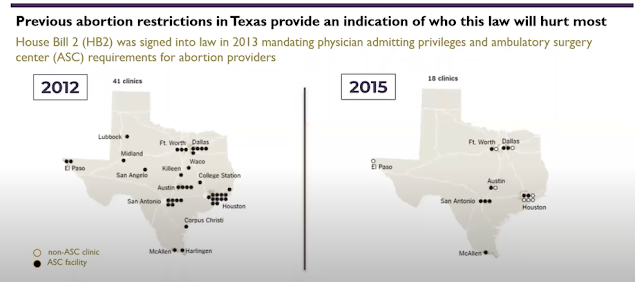
    We know from prior attempts by Texas legislators to restrict abortion what TRAP laws do to abortion access
    • HB2 (2013): Governor Rick Perry, admitting privileges law requiring any abortion provider have hospital admitting privileges within 30 miles of where they are providing abortions
    • Shut down >1/2 of abortion clinics, severely reducing access to Texans
    • Disproportionate effect on Latinx patients, rural patients, and those traveling for care
    • Increase in 2nd trimester abortions (therefore increasing complication rates)
      • especially black patients, low income, patients who had to travel far
    • Though the US Supreme Court nullified HB2 in 2016, having been enforced for 3 years had lasting impact
      • clinics, once closed, were not reopened


    The Turnaway Study is a really elegant longitudinal UCSF study examining the effects of unwanted pregnancy on women's lives in 1000 women who were denied abortions compared to women who were granted abortions. When patients are denied the abortions they want, families are significantly affected
    • financial instability, poverty
    • staying in violent relationships
    • resulting children not meeting developmental milestones
    Dobbs vs. Jackson (Mississippi), currently being considered at US Supreme Court
    • bans abortion in Mississippi after 15 weeks
    • decision expected June 2022
    • many experts are expecting the Supreme Court to uphold this law, which would essentially nullify Roe and permit states to limit abortion access based on gestational age
    • What would happen if Roe falls?
      • there are few states (blue, e/g/ CA, WA, OR, NY) with expanded access to abortion
      • other states (e.g. Florida) with protections that are currently in place but can be revoked easily by politicians
      • lots of states where abortion will not be protected in any way
    https://reproductiverights.org/maps/what-if-roe-fell/

    Dr. Wallace's Recommended Resources:
    https://liberalarts.utexas.edu/txpep/
    https://reproductiverights.org/
    https://txabortionaccessnetwork.org/
    https://www.guttmacher.org/
    https://prh.org/
    https://rhedi.org/
    https://www.reproductiveaccess.org/


    Antibiotic Stewardship at SSRRH (Nadeau, 1/26/2022)

    The Adult Medicine Service of the Santa Rosa Family Medicine Residency have had the honor and privilege of rounding daily with the SSRRH Pharmacists for the last 4+ years, and we are better physicians for it! This week, Sue Nadeau, one of our wonderful pharmacists, gave us an important Grand Rounds on Antibiotic Stewardship at SSRRH.

    To watch the presentation, please click HERE.

    The presentation covered 4 important topics in antibiotic stewardship, and 1 on anticoagulation (because you cannot NOT talk about warfarin, even in 2022)
    • QT prolongation
    • Warfarin
    •  Extended-spectrum beta lactam (ESBL) E Coli
    • Extended infusions of beta lactam antibiotics
    • IV to oral antibiotics

    QT Prolongation  or long QT syndrome (LQTS) is a disorder of myocardial repolarization characterized by a prolonged QT interval on EKG
    • LQTS is associated with an increased risk of polymorphic ventricular tachycardia, a  life-threatening cardiac arrhythmia aka torsade de pointes 
    • Primary symptoms include palpitations, syncope, seizures, and sudden cardiac death.
    • For men, normal QTc is ~350-450
    • For women, normal QTc is ~360-460
    Some of the long list of drugs that affect QT
    There are LOTS of meds that lengthen the QTc, and the most commonly rx'd antibiotics are azithromycin, ciprofloxacin, and fluconazole (see chart for additional culprits)


    Tips to avoid QT prolongation: 
    1) Check EKG on admission (QTc>500 should definitely get your attention)
    2) Review chronic medications that prolong QT (e.g. cardiac, antipsychotics, SSRI, TCA, oral cancer meds, HIV meds). Hold if needed
    3) Check electrolytes: potassium and magnesium (normal levels decrease risk of Torsade)
    4) Check renal function (and dose adjust if indicated)
    5) Call the pharmacist for any questions

    And. . .whenever possible do NOT use azithromycin or ciprofloxacin, particularly in high risk 


    Warfarin is metabolized in the liver via cytochrome P450 
    • Drug interactions occur when meds compete for the same enzyme system
    • We all know that drugs interactions are a BIG deal with warfarin
    • Drugs well known for warfarin interactions: amiodarone, metronidazole, Bactrim (aka TMP/SMX), fluconazole, voriconazole, macrolides (including azithromycin, though in the literature less often)
    ESBL E Coli
    • In the Sutter system, ceftriaxone (Rocephin) resistance seen on the sensitivities report in any E Coli is a proxy marker for ESBL
    • Our E Coli has gone from 95% to 93% sensitive to Rocephin, new antibiogram will be out in the spring (April)
    • Meropenem (with ID approval) is the medication of choice, EVEN if the E Coli appears to be sensitive to fluoroquinolones
    Extended infusion of beta lactam antibiotics-- for pip/taz, cefepime, and meropenem
    • Beta lactam antibiotics are bactericidal just during the administration, but stopping a 30 minute admin can allow an organism to quickly begin to replicate
    • Extended duration infusions (usually 4 hours) have been shown to decrease bacterial load and improve outcomes
    • Currently these happen for ICU patients with the above abx, but can be ordered for non-ICU patients if deemed clinically indicated (e.g. quite sick, still spiking fevers, etc)
      • need to discuss with bedside RN because infusion will use the line for long periods of time, sometimes patients need an additional line
    • These are 4 hour infusions q8 hours
    IV to Oral antibiotics
    Oral is better! Decreased risk of line infections, decreased risk of thrombophlebitis, decreased cost (of actual medication as well as nursing and admin costs), earlier discharge
    We should really be thinking about transitioning to PO abx as soon as we can. Here are guidelines:
    • Afebrile x24 hours
    • Blood cultures no growth x48 hours
    • Tolerating PO diet
    • Improved clinical status
    • Normal or decreasing WBC count
    • Hemodynamically stable (e.g. normal vital signs x 24 hours)
    We are SO blessed at SSRRH to have the benefit of a number of pharmacy-driven protocols, including:
    • Dose adjustments (primarily renal, but occasional hepatic)
    • Dose optimization (e.g. gentamicin, vancomycin by protocol)
    • Automatic alerts
    • Automatic stop orders (e.g. azithromycin x 5 days, oseltamivir x 5 days)
    • Drug drug interaction checks
    • Shortest effective duration
    Thanks to Sue, Carolyn Dam, and the whole pharmacy team for their amazing collaboration in caring for our patients!


    Race-Based Affinity Caucusing as a Tool for Promoting Equity and Inclusion (Washington, 1/19/2022)

    Many thanks to Dr. Sharon Washington for an important presentation on Race-Based Affinity Caucusing as a Tool for Promoting Equity and Inclusion

    It is always worth your time to listen to Dr. Washington. She has been a tremendous resource and teacher for our anti-racism work at Santa Rosa Family Medicine Residency. A recording of her presentation is available HERE

    Dr. Washington opened with two recent articles from the medical literature exploring racial harms in the healthcare setting and recommended that leadership teams could explore caucusing as a tool to support community, connection, and racial healing and equity in the health care setting

    Paper #1: Racism as Experienced by Physicians of Color in the Health Care Setting, Serafina et al, Family Medicine 2020, exploring racism as experienced by physicians of color

    • 71 physician participants, 88% family medicine physicians
    • 72% female, 1.4% gender non-binary
    • 34% black, 34% Asian, 24.7% Hispanic/Latinx, 1.4% Native American/Alaskan Native
    • 33% English as a second language (ESL)
    • Dr. Washington notes two caveats
      • we know that physicians are higher in medical hierarchy, and this study doesn't take into account experiences of nurses, support staff, that are also BIPOC
      • the study also doesn't include color/lightness of skin (which we know plays a role in the experience of racism), and which we know from previous studies is likely to be lighter than those of staff lower in medical hierarchy
    Findings from this study
    Experiences offered by Physicians of color (POC):
    • more likely to experience racism from colleagues than from patients
    • 23% POC reported a patient refused their care because of their race/ethnicity
    • ESL POC report more incidents of racism than those with English as first language
    • Experiences of micro-aggressions are associated with secondary trauma/stress with ongoing implications in the mental and physical health of these POC
      • surprisingly, not statistically significantly associated with compassion fatigue or burnout
    Qualitative themes from this same study:
    How has institutional racism affected you?
    • exclusion from leadership advancement (treated differently than non-black counterparts)
    • assumptions discounting abilities or expressing stereotypes
    • being held to higher standards than white counterpart
    • numerous microaggressions in the workplace without response from the institution
    Incidences of racism from a colleague. . .
    • many did not have an example of experience of racism from colleague 
    • microaggressions from colleagues: assumption they are not a doctor because of race, general lack of respect, homogeneity bias
    • assumptions: e.g.  about medical knowledge in context of accented English
    • invalidation: lack of trust
    Instances of racism from a patient. . .
    • microaggressions
    • assumptions
    • patient refusal of care
    • adaptation: comments on "where were you born and how how well I speak English"
    • psychological burden of patient questions "where are you from", "Are you Korean"
    • patients reacting differently to the same advice when offered by a colleague
    • differential treatment: non-verbal, body language
    Dr. Washington remarks: above are the experiences that POC revisit (and hyper-revisit), struggle to let go of, not for lack of conscious effort, experiences that can cause physical and chemical reactions when these types of instances happen with patients, colleagues, staff, etc. have weathering/long term effects on physical and mental well-being, ability to stay in the work place

    Recommendation for promoting inclusion includes listening to POC, offer diverse representation in leadership, staff and recruitment, empowering BIPOC leadership

    • learners (students, residents) and lower level health care staff are more vulnerable to racial trauma, particularly during pandemic
      • seeing selves in the disparities, seeing structural and interpersonal practices
    • creating a safe and trusting environment where staff can share their racial trauma
    • training managers and supervisors (skills, time)
    • engage in deep listening to the trauma stories
    • provide concrete support, if needed (e.g. escort at night to the car, restorative time off)
    Note from Dr. Washington: while the title includes "health care staff" this is actually another paper about physicians. Researchers need to be reflecting on the power hierarchy and be sure to extend beyond physician experience when reporting on this topic

    Racial Affinity Group Caucusing is approach to bring people together, based on shared mindset, identities, orientation (e.g. physicians come together, nurses have meetings)
    • allow group to focus on manifestations of how we internalize racial oppression in a system that is hierarchical, promotes dominance, and is inherently racism
      • identify where behaviors originate
      • collectively find new behaviors that stop self-perpetuation of cycles of these concepts
    • allows groups that identify as white to come together, people who identify as black (or African descent), groups who identify as Latinx (or Hispanic)
      • the bigger the group, the more specific these groups can be
      • allows people to be in "safer space", grounded in "shared experiences" to explore structural racism, how we contribute to perpetuation
      • seek to explore ways in which we contribute in unintentional ways
    • build communication skills to stay present and effectively navigate cross-racial dynamics
      • our bodily reactions can make it hard to stay present if we don't have the racial literacy to stay present in our bodies
    • allow for creation of community of dialogue, accountability, support institutional growth of equity and racial inclusion
    • challenges white folks to do their own work (and not rely on BIPOC to do the work)
      • allow white people to develop a racial identity, own one's racial identity (just like BIPOC do every day)
      • leverage the sense of self to be committed to growing together in anti-racism
    • within BIPOC spaces caucusing allows be understood, collaborate, not have to explain or be believed
      • have more nuanced, deeper more complex conversations about intersection and deeper identities, how BIPOC perpetuate other forms of bias and dominance in other identities
    What does caucusing look like?
    Priming content: e.g. podcast, readings, video content
    Groups (as defined by the institution) but self-selected by the participant
    Planned curriculum discussion, agenda with a trained facilitator/moderator
    Engage in dialogue and discussion during the session
    Have some sort of report out: sharing, transparency, accountability to the other caucus groups

    What is caucusing is NOT?
    not place to whine/complain, not hate fest, hot pot for racism
    people are not assigned for multi-racial or mixed race person (they can be fluid), people self-identify and choose the group 


    A final note: Caucusing is NOT "the only answer" to solving racism in the health care setting.
    Caucusing must be combined with a comprehensive PROGRAM of equity and inclusion, including DEI leadership, committees, curriculum and trainings, policy, metrics of accountability, dashboards, and a concrete commitment of the organization to anti-racism work. 


    Neonatal Indirect Hyperbilirubinemia (>35 weeks) (Kutilda, 1/5/2022)

    Many thanks to Dr. Pumi Kutilda who is such a dedicated teacher for our residents and gave an excellent detail-packed, graphic-filled presentation on Neonatal Indirect Hyperbilirubinemia this week. 

    A recording of her presentation is available HERE.

    Abbreviations used below: Total serum bilirubin (TsB), Transcutaneous bilirubin (TcB), gestational age (GA), Red blood cells (RBC), Risk factors (RF)

    • Severe hyperbilirubinemia TsB >20 mg/dl (during first 28 days)
    • Critical hyperbilirubinemia TsB>25 mg/dl  (during first 28 days)
    • Cholestasis is defined as Direct bilirubin >1 mg/dl (need be checked only ONCE)
    • RBC lifespan in newborns is 70-80 days (compared to 120 for adults)
      • the lower the GA, the lower the RBC lifespan-- which puts preemies at higher risk
    • High levels of free unconjugated bilirubin (not bound to albumin) crosses the blood brain barrier (specifically the globus pallidus) and causes neurological effects (i.e. kernicterus)
      • this is why babies w/low albumin (<3) are at higher risk for hyperbilirubinemia 

    History and Physical Exam are essential in diagnosis and management
    • Prematurity 
    • Polycythemia
    • Known Hemolysis
    • History of dehydration, suboptimal breastfeeding, poor latch, etc
    • Constipation
    Work up for Neonatal Hyperbilirubinemia
    CBC + Diff, reticulocyte count + blood smear (retic count is critical because determines whether or not there is hemolysis, may need to be done serially), albumin, BMP/CMP, Direct bilirubin (just once to rule out conjugated hyperbilirubinemia), CBG/ABG + lactate (if hypoxic), G6PD (if hemolysis identified), Urine Culture (silent infection), thyroid function tests (if persistent jaundice >2 weeks)


    See Pumi's excellent graphic for representation of how the peripheral blood smear can determine diagnosis

    Where do we go wrong with diagnosing hyperbilirubinemia?

    • missed hemolytic disease (e.g. G6PD deficiency)
    • not repeating reticulocyte count
    Physical Exam
    lethargy, s/sx dehydration, hypertonia, "scared" upward gaze, high pitched cry
    Screening and Management

    1) Promote breastfeeding 
                Should be based on feeding cues
                No forced or supplemental feeding <24 hours (very minimal intake first 24 hours)
                Amount to feed is based on time after birth (H)
                        12-24 hours: 5-10ml q2-3 hour
                        24-48 hours: 10-30ml q2-3 hours
                        48-72 hours: 15-30ml q2-3 hour
                        72-96 hours: >30ml >8 times/day
    2) Risk factor assessment 
        MOST important RF: gestation age <38 weeks, sibling who required phototherapy, visible jaundice first 24 hours, maternal coomb's positive
        LESS important RF: male, non-white (esp SE Asian), exclusive breastfeeding, cephalohematoma or significant bruising

    Absence of these risk factors means extremely low risk for severe hyperbilirubinemia
        
    3) Hour specific TcB screening: @12 hours, 24 hours (plotted on hour specific nomogram)
    4) Assess adequate intake via both weight measurements AND stool patterns
                                    #stools + # urine             weight loss %
                                        <24 hours 1+1                     <3%
                                        48 hours 2+2                        <7%
                                        72 hours 3+3                        7%
    5) Risk factors for phototherapy: GA + hemolytic disease, suspected sepsis, asphyxia, acidosis, serum albumin <3


    Added Pearls

    • Both ibuprofen and naproxen increase bilirubin so are not used in newborns (indomethacin is used instead, eg PFO closure)
    • To avoid degradation and ensure accurate measurements, blood should be carefully handled,  drawn into clouded red tube, and sent to lab to evaluated right away (<2 hours)
    • Of note, TcB using one of two specific machines (JM103, JM105-- one of which we have at SSRRH) correlates VERY well with TsB except when TsB gets very high (>17). 
      • We should be considering the TcB results as quite accurate as long as TcB is <13. 
      • IF TcB>13, TsB indicated right away
    • Home phototherapy (via bili blanket) is an option for medically stable patients (no neurotoxicity risk factors, no hemolysis, feeding well and well appearing). Costs about $200 delivery and $85/day. Patients have to pay up front but are generally reimbursed by their insurance
    • There are new guidelines from UCSF (Northern California Neonatal Consortium), not active at SSRRH yet but soon will be. Keep your eye out


    Words Matter: Bias and Stigma in Medical Documentation (Walsh-Felz, 12/15/2021)

     Many thanks to senior resident Dr. Devin Walsh-Felz for a pratice-changing Grand Rounds this week about how we transmit bias and stigma in our chart notes. Her presentation was titled Words Matter: Bias and Stigma in Medical Documentation.

    It is definitely worth watching!  A link is available HERE

    A summary of her presentation is currently in progress. 


    Diagnosis and Management of Osteoporosis (Hamann 7/23/2026)

     A recording of this presentation is available HERE .  *** Thanks so much to Dr. Kendal Hamann, SMGR Endocrinologist, for an outstanding Gra...